Water is our most precious resource. Yet because we use it so habitually, its existence is something we too often take for granted. Extreme shortages of water in Cape Town, South Africa have shown that even major, developed cities can face water crises that directly affect the everyday wellbeing of every single person.
Every litre saved adds up!
As the driest populated continent on the Earth, with an average rainfall significantly lower than the global average, Australia has added pressure on water availability. With longer, more severe droughts and reduced rainfall predicted for our future, water conservation has never been more important.
We've put together a list of simple, everyday ways you can conserve water around your home... and make real savings on your water bill! Check them out below and start saving today.
According to Smart Approved Watermark, a major Australian water-efficiency body, 15-20% of all water consumed in the home is used in the laundry, primarily by the washing machine.
Making a simple change to your daily washing habits can also have a big impact. Here’s how:
1. Check before you wash!
While it may seem like an unnecessary expense, older washers generally aren’t as efficient and use a lot more energy and water. Older washers generally use around 150L water for a normal wash. A newer, water-efficient washer, on the other hand, uses around 60L - so approximately 60% less per wash, and more money in your pocket! The money you pay now for a new, more efficient machine will recuperate itself in good time.
New washers can also come with lots of convenient features: load-balancing, which automatically adjusts your washing for a consistent wash. Automatic load-sensing, on the other hand, adjusts the amount of water and energy required for every wash load you put in - for the best possible wash, every time.
Wash primarily with cold water. Warm water washes make marginal difference to your washer's effectiveness.
Cold water washing reduces your energy costs significantly. Make sure to use a detergent optimised for cold water use for the very best wash results.
NB: Ensure you run a hot wash cycle once a month or so to keep the machine fresh and running smoothly.
Whether you're shopping for new appliances or wanting to learn more about how much your appliance is costing you, it's important to keep an eye out for efficiency ratings.
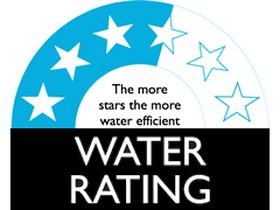
The WELS Water Rating is a water efficiency regulation required by Australian law for all new taps, showers, dishwashers, washing machines, lavatory equipment, urinals and flow controllers. A water rating is based on the amount of water the appliance uses to complete a regular cycle - special programs may use more, while Eco modes may use less.
Water efficiency is measured with a 6 star system - the more stars an appliance has, the more water-efficient it is! Under each rating, you'll find flow rate, litres per flush or litres per wash, which helps you to estimate how much water the appliance will use a minute.
Up to 50% of our indoor water use is in our bathrooms, according to Sydney Water.
So a small change here makes the biggest difference!
Tap aerators, low-flow faucets, and efficient toilet-flush mechanisms can all be installed without fuss and make a huge difference to your water bill.
Severity of Leak | L/hour | L/year | Approx cost/year |
|---|---|---|---|
Slow leak, barely visible | 0.5 | 4,400 | $13 |
Leak visible in bowl, no noise | 1.5 | 13,100 | $39 |
Visible leak, audible | 6 | 52,600 | $158 |
Visible leak, constant hissing sound | 11 | 96,400 | $289 |
We generally use the least amount of water in the kitchen, but there are very easy ways to cut back with a little common sense!
All it takes is an extra minute or two of your day.
Dishwashers are significantly cheaper to run than hand-washing a load of dishes, using between 20-30c energy per hour on average. Unlike hand-washing, which requires filling the bowl or constant running water, a dishwasher sprays a relatively small amount of water onto your dishes (using up to 50% less water than a standard hand-wash!).
Filling your dishwasher completely, or making use of half-load/Eco functions, saves you even more money.
Dishwashers are a lot more convenient, too... unless you prefer the tedium of scrubbing (admittedly 1/10 hand-washes are oddly meditative, but at 10%, i'll take my chances...)
If you don't own a dishwasher, you can pick up a reliable, trusted brand for as little as $400.
A water filter is a great investment, not only for your water savings but for general wellbeing. It also helps to cut down on buying bottled water.
Keeping a pitcher of chilled, filtered water in the fridge is another great way to save on running the tap... and helps you stay refreshed and hydrated.
'Grey water' is somewhat clean waste water that can be repurposed to water your garden and flush your toilet. Common grey water comes from unsalted cooking water and water used washing fruit and vegetables.
If the idea of constantly re-using water is too much, keep a container or jug handy to pour the water into.
NB: Avoid using water from the dishwasher or washing dishes, as this contains too much bacteria and is considered 'black water'.
Using running water to defrost frozen meat and other food is very inefficient and wastes a lot of water. Make use of your microwave's Defrost function instead, or let the food thaw overnight in the fridge.
When you wash vegetables, use a bowl rather than running the tap. It's an easy way to save you water and money.
Avoid rinsing your dishes before you put them in the dishwasher. Scrape larger bits of leftover food straight into the bin.
Fill your kettle with the amount of water you need - overfilling it just wastes water and energy!
Steaming, grilling and roasting are all much more water-efficient cooking alternatives, and preserve significantly more nutrients than boiling.