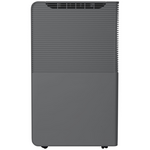
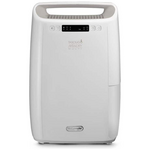
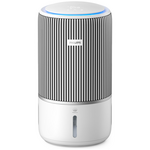
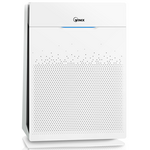
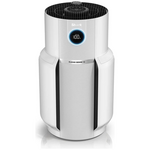
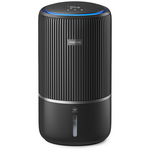
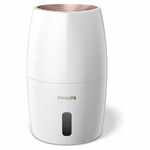
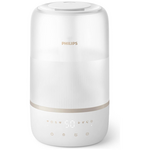
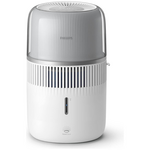
A dehumidifier, air purifier and humidifier all serve distinctly different functions in improving the air quality and overall health of your home.
The best choice for you will depend on a number of factors, including what sort of climate you live in, the condition of your home, and more. This Air Treatment Buying Guide will help you understand the benefits of owning an Air Treatment appliance.
Purify the air in your home with an Air Purifier, remove excess moisture that can lead to mould and allergies with a Dehumidifier, or maintain healthy levels of air moisture with a Humidifier.
Air Treatment | Benefits | Ideal For: | Important Features |
|---|---|---|---|
Draws and collects moisture from the air | • Reduces your home's absolute humidity and the build-up of mould, mildew and allergens • Creates a more comfortable living environment • Portable | • Moist, humid homes, especially those with excessive condensation (black spots, water stains) • Allergy sufferers • If you regularly dry clothes indoors | • Tank capacity (larger rooms will benefit from higher tank sizes and extraction rates) • Humidistat (to keep your room at a desired humidity) • Programmable timer |
Adds water vapour to the air in your home | • Aids in improving overall skin and respiratory health by maintaining sufficient levels of air moisture • Fragrance dispenser to increase the overall comfort in your home • Portable | • Homes with a lot of dry air • Balancing moisture levels in the air if you regularly use an air-conditioner • People that suffer from excessively dry skin, dry nasal passages or congestion | • Humidistat (to keep your room at a desired humidity) • Programmable timer • Mist temperatures (cool or warm) • Tank capacity (larger rooms will benefit from higher tank sizes and output) |
Captures up to 99.97% of invisible air irritants | • Improves the overall air quality in your home • Captures up to 99.97% of microscopic pollutants and allergens from the air, such as dust, pollen and bacteria • Aids in better overall health and quality of sleep • Portable | • Allergy sufferers • Homes with excessive dust, pollen, smoke and other allergens • Anyone who enjoys fresher air in their home | • Different types of filters (HEPA, carbon, ionic and UV lighting) • Shut-off timer • Specific models for pet-owners • Eco mode |
An overly humid, muggy home can have adverse effects on your home and your health. It's known to damage your furniture and walls, and can cause discomfort, poor sleep, heat stroke and allergy triggers. It’s also the perfect breeding ground for bacteria and pests.
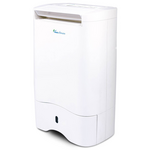
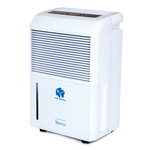
Dehumidifiers help to reduce the absolute humidity in your home. A dehumidifier draws moist, humid air in with fans and passes it over cold coils to bring its temperature down. The moisture is extracted and collected into a removable container, and the air is then reheated and released back into the room.
Note: Unless you're living in a very wet or humid environment, it's not recommended to have a dehumidifier running constantly - you want to keep a little moisture in the air for overall health.
Dehumidifiers help prevent the build-up of mould, mildew, dust and other irritants, It makes them especially useful for asthma and allergy sufferers.
They also reduce stuffiness and musty odours and generally improve air quality in your home.
Most models include an easily replaceable or washable air filter.
A dehumidifier's portability means it can be used all around the home.
Many models come with castor wheels and/or handles to easily move them from room to room. Their quiet operation means you'll barely notice them working away.
Different dehumidifier sizes are available depending on your specific needs and home size.
If you have large rooms you'd like to dehumidify or live in a more humid climate, it's best to aim for larger capacity models, as you can still use them in smaller areas. The larger the area, the larger the litrage capacity you would require.
Programmable features such as auto shut-off, auto-defrost and timer modes mean you can conveniently treat your home without using a lot of unnecessary power.
All models include a removable water tank, but some can also be set up for continuous drainage.
There are a few factors to consider to help you choose the right dehumidifier:
• water storage capacity
• the size of your room
• the general humidity/climate of where you live
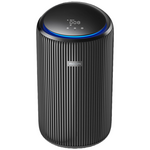
An air purifier captures up to 99.97% of microscopic pollutants and allergens from the air (such as dust, pollen and bacteria).
By removing these invisible allergens and irritants, air purifiers improve the air quality in your home, help you breathe better, and can also have positive impacts on your overall health. It also makes them ideal for allergy and asthma sufferers.
Air purifiers are available with different filters: HEPA, CARBON, IONIC and UV Light.
They often include a combination of filters that work together to purify your home in different ways.
What’s a humidifier?
A humidifier increases the humidity level in a room by adding water vapour to the air.
If you experience regular irritation or have a lot of dry air in your home, a humidifier will help bring humidity to a healthy level, which can be set using the inbuilt humidistat.
Note that ideal indoor humidity levels are generally between 30-50% in winter and <60% in summer.