Your Cart
Your shopping cart is currently empty.
Laundry
Keep your wardrobe fresh and dapper with smart ideas for better washing and drying.
LAUNDRY | 9 JULY, 2026
8 MIN READ
Too expensive to run a dryer? It doesn't have to be
Dryer tech has become more energy efficient and affordable
The short version: Heat pump dryers cost significantly less to run than traditional vented dryers. They cost more upfront, but that difference can often be recouped within a few years through lower electricity bills. Entry-level heat pump models start from under $600, making them more accessible than they used to be. Drying racks can be useful for some fabrics, but cool indoor conditions and poor ventilation can lead to musty odours, condensation, mildew and even mould over time. To cut drying times and costs, use a high spin speed at the end of the laundry wash cycle, run your dryer in off-peak energy times or even 'free' Solar Sharer hours.
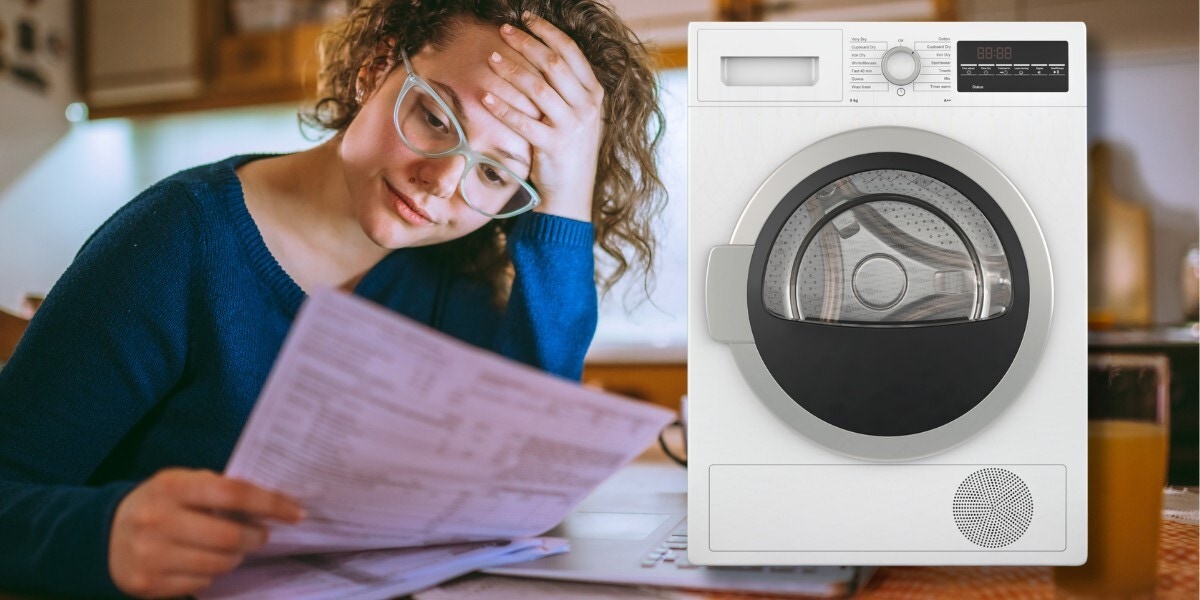
Want to make life easier by using a clothes dryer but hesitate at the thought of your energy bill? You aren't alone. With skyrocketing cost-of-living pressures, high inflation, and tight household budgets, throwing a damp load into the tumble dryer can feel like a luxury you can make do without.
For better or worse, we’ve had some milder winter weather lately. If you can hang your washing out on a clear, dry morning, you can often use traditional air drying and bypass the dryer altogether.
But what about when it’s pouring rain for days on end? Or you work all day and don’t get a chance to put a load of laundry on until night? When you need clothes to dry quickly, relying entirely on an outdoor washing line isn't always realistic.
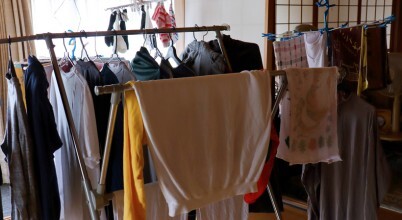
The hidden cost of drying clothes indoors
When outdoor clotheslines are off the table, many of us resort to draping wet laundry around the house, loading up clothes drying racks and hanging shirts and tops on coat hangers.
While this seems like a decent alternative to the Hills Hoist, it can actually cause a few problems for your home and health if you don’t have great airflow:
The stale smell: Ever noticed your clothes smell bad when they’ve taken a long time to line dry inside? That musty smell is caused by the gases given off as bacteria and mildew start to grow on the damp fabric within a few hours of being hung up. Without proper air movement, evaporation happens too slowly, creating the perfect breeding ground for these fungi.
The indoor rainforest effect: Even a damp load of laundry that finishes on a high spin speed of 1200-1400RPM can hold litres of water. As it dries, that water evaporates into the air in your home. If you have your heater running and the windows shut - which most of us will in winter - that moisture hits cold surfaces (like windows and walls), creating condensation.
Mould and health risks: Over time, this trapped moisture can cause damp spots and structural mould growth.
To minimise the downsides of indoor drying racks, you’ll need to either run an air conditioner on dry mode, turn on an extractor fan, have open windows (which lets the cold in), or get a dehumidifier to extract water from the air.
The simpler option, in many cases, is to use a clothes dryer. But how can you do so without guzzling power and sending your energy bills skyrocketing?
Buying a new dryer: vented vs. heat pump
Traditionally, vented dryers were the main option. They are comparatively cheap to buy, but expensive to run because they heat up air, tumble the clothes, and blast the hot, moist air out into your laundry or vented ducting. They have 2-star energy ratings.
Heat pump tumble dryers, however, work differently. They are cheaper to run because they cycle hot air through a closed system, reheating and reusing it while condensing the moisture into water. Because of this, most heat pump models carry a 7 or 8-star energy rating. While they are more expensive to buy than vented dryers, as the technology has become more widely adopted, prices have lowered and many reputable brands now offer very affordable heat pump models.
You can buy entry-level vented dryers for as little as $450 or less, and some heat pump dryers for under $600.
For comparison purposes, let’s look at a vented and a heat pump model of the same capacity from the same brand, running three times a week at an average cost of 35 cents per kWh:
Haier 7kg vented dryer (2-Star): RRP is $689* and costs roughly $330 a year to run if used three times a week.
Haier 7kg heat pump dryer (7-Star): RRP is $999* and costs about $135 a year to run if used three times a week.
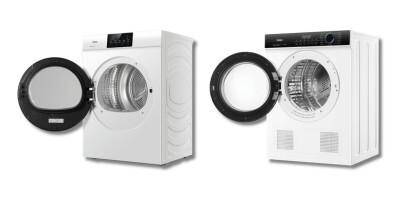
Haier's 7kg capacity heat pump dryer (L) costs more to buy than its 7kg vented model (R), but lower running costs can make it a more cost-effective choice over time, depending on use
While the heat pump model will set you back about $300 more than the vented dryer, it costs approximately $200 less per year to use it. That means you would recoup the extra purchase price within a couple of years if you used it three times a week. If you have a large family and do a lot of laundry, the difference in running costs would be significantly more.
Plus, while vented models max out at 7kg capacity, you can get heat pump dryers of 10kg or greater capacity, making it easier to dry a bulky load of bed sheets and heavy winter blankets when you can’t dry them outside.

Check out our list of 10 Top Selling heat pump dryers this year
Buy it bite-size
These calculations are based on Recommended Retail Prices, but at Appliances Online we usually sell both heat pump and vented dryers at significantly below RRP.
Plus, if a large upfront payment doesn’t fit your cash flow, you might be able to use a payment platform like AfterPay, PayPal Pay in 4, Zip or Klarna, which allow you to split the cost into manageable, interest-free instalments. Some providers charge fees for late payments, however, so check the details before choosing one.
Need a heat pump dryer for your home?



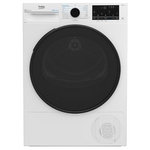
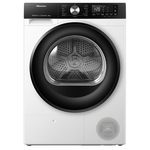

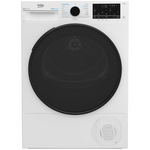
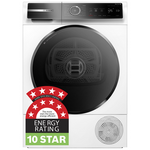

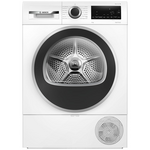
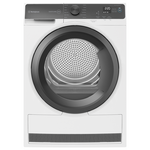
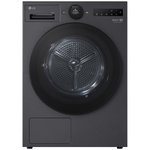
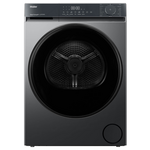
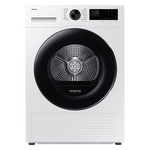

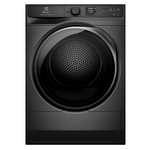
Bosch Series 8 8kg Heat Pump Tumble Dryer WQH235B8AU
Yet to be reviewed



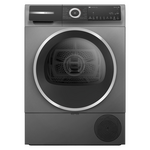
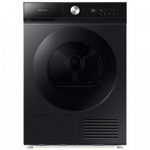
Bosch Series 8 8kg Heat Pump Tumble Dryer Cast Iron Grey WQH235BFAU
Yet to be reviewed
Smart tips to lower your running costs
Whether you already own a clothes dryer or have decided to buy one, you can still keep running costs down with a few simple habits:
Crank up the spin cycle: Before your clothes even leave the washing machine, ensure you use the highest spin cycle setting - usually 1200-1400 RPM. Getting that extra water out mechanically takes a lot less energy than using heat later. The exception to this is for delicates like silk and wool, which should be spun at much lower speeds (around 400-800 RPM) to protect the fibres.
Time it with peak and off-peak rates: If your electricity plan charges different rates throughout the day, avoid running heavy appliances during the expensive evening peak if possible. Even if you need to run the washing machine during peak hours, you can do a quick cold wash (which is relatively cheap because the machine doesn't have to heat the water) an hour or so before you go to bed. Then, simply transfer the damp load into the dryer and set its delay timer to run overnight when power is cheapest. Because the dryer drum is large and has some air circulation, the clothes won't get musty sitting idle for an hour or two before the cycle starts.
Turn on the anti-crease function: If your dryer has this setting, make sure you select it when running loads overnight. Once the drying cycle finishes, it will gently tumble the dried clothes for short bursts over the next few hours, which reduces the formation of creases and wrinkles.
Look into daytime ‘free energy’ plans: Depending on where in Australia you live, there may be an option to take advantage of ‘free’ electricity. To make use of excess rooftop solar generation, energy networks across much of Australia offer Solar Sharer options or windows of free electricity (such as three hours of free power between 11am-2pm) for households with a smart meter. Check with your energy retailer to see if you can opt-in, but make sure you read the small print, because some providers have higher-than-average rates during other times of the day, which could end up costing you more overall.
Managing your laundry in winter is all about balancing your budget, your available time, and your health. There’s no one-size-fits-all answer, because your location, energy plan, type of dryer and daily routine all play a role, so you’ll need to weigh up these suggestions against your own household needs and financial situation.

Get a new dryer fast, with Free Next Day Delivery*
We deliver heat pump, condenser and vented dryers to 95% of Australia's population, and we can usually get them to you by tomorrow (Mon-Fri), with Appliances Online's legendary FREE delivery. Plus, we offer paid Same Day Delivery in NSW, QLD, and VIC metro areas if you order before 12pm Mon-Fri.
Check out the full range of heat pump dryers here, or if you need some pointers on choosing the best type or size for you, read our Laundry Buying Guide, call our friendly team 24/7 on 1300 000 500 or message us via the chat icon at the bottom of your screen.

Oli is Appliances Online's editor and blogger, with almost two decades of lifestyle-related writing and editing to his name. With a mission to help you buy better and live smarter, his brand loyalty will forever belong to the appliance manufacturer that develops a self-emptying dishwasher.
Latest Articles
HOME LIVING+
8 OCTOBER 2026
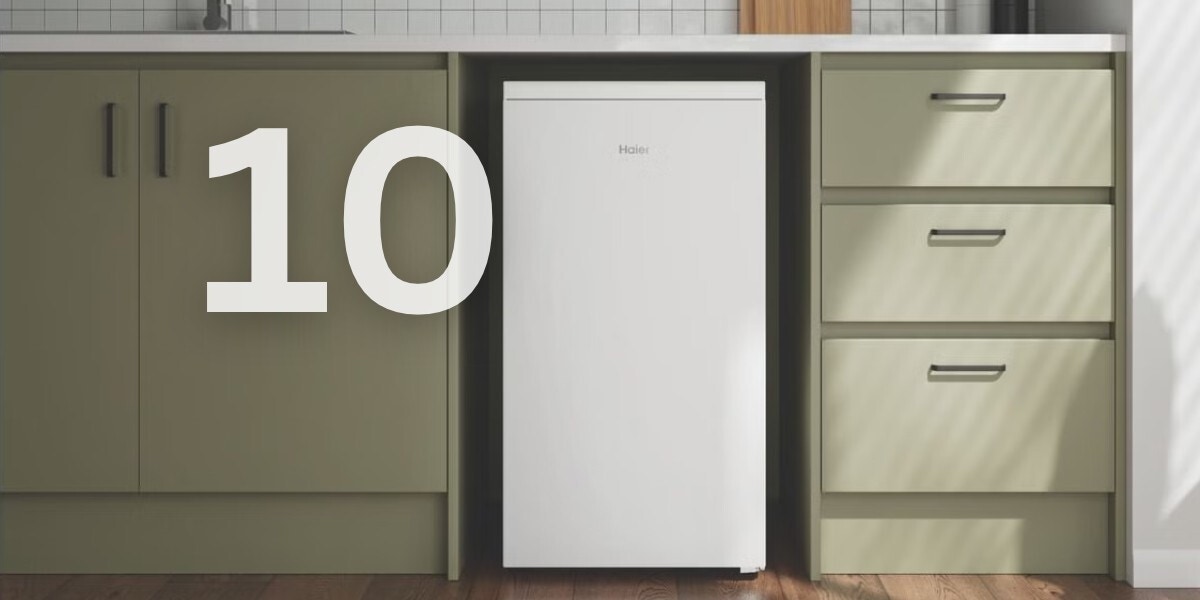
10 of our best selling indoor bar fridges in Australia 2026
Find the perfect compact drinks fridge for your home
BBQ & OUTDOOR
1 OCTOBER 2026
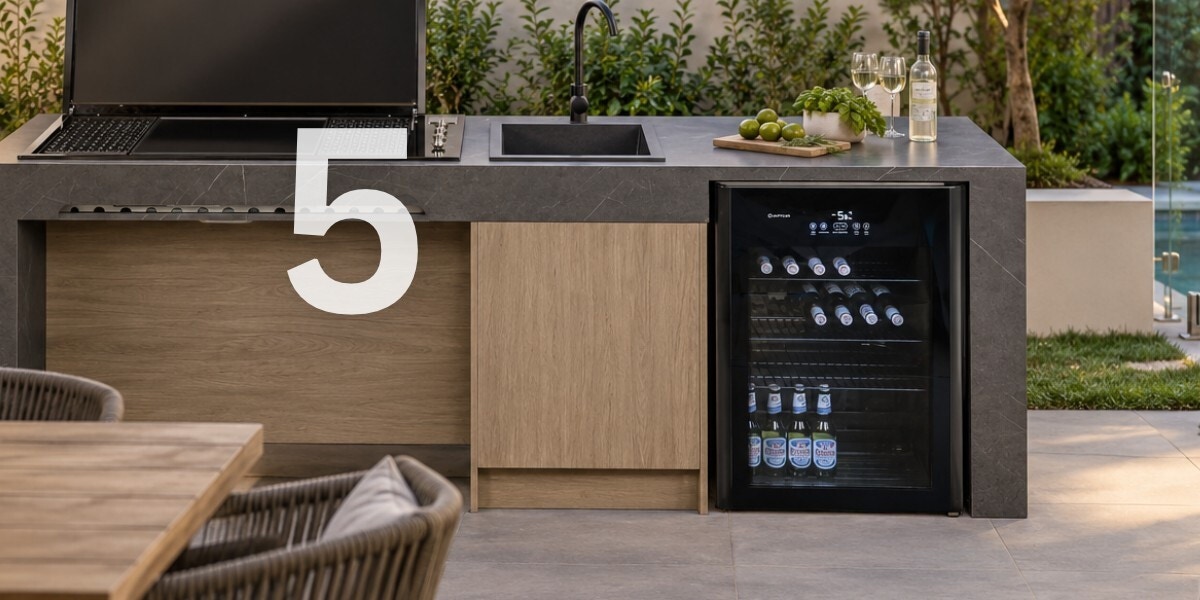
5 of our top best selling outdoor bar fridges in Australia 2026
Alfresco fridges to keep your drinks icy cold this summer.
BBQ & OUTDOOR
25 SEPTEMBER 2026
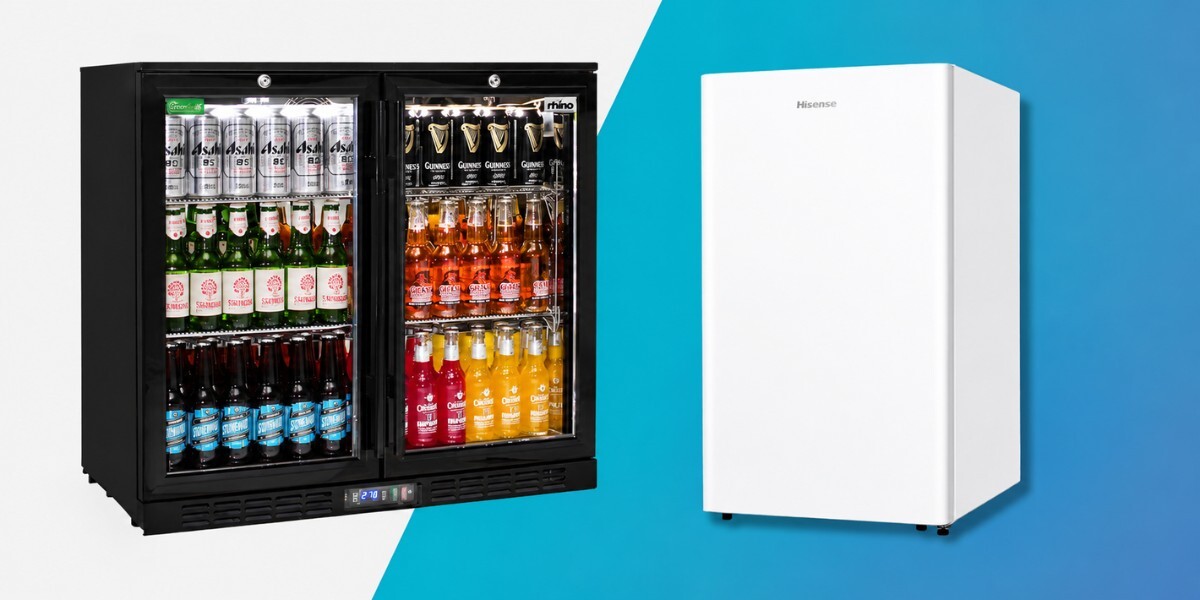
Indoor vs outdoor bar fridges
Important differences to know about
ECO & SAVE
21 SEPTEMBER 2026
How to choose more eco-friendly appliances for your home
There’s more to it than just energy efficiency
More Like This
HOME LIVING+
8 OCTOBER 2026
10 of our best selling indoor bar fridges in Australia 2026
Find the perfect compact drinks fridge for your home
BBQ & OUTDOOR
1 OCTOBER 2026
5 of our top best selling outdoor bar fridges in Australia 2026
Alfresco fridges to keep your drinks icy cold this summer.
BBQ & OUTDOOR
25 SEPTEMBER 2026
Indoor vs outdoor bar fridges
Important differences to know about