
Your Cart
Your shopping cart is currently empty.
Laundry
Keep your wardrobe fresh and dapper with smart ideas for better washing and drying.
LAUNDRY | 31 JULY, 2026
9 MIN READ
Does a full dryer use more energy than a half load?
The real energy cost behind every dryer load
The short version: The simple answer is that a full load uses more total energy than a half load, but far less than double the amount - which means you're drying a lot more clothes for not much more running cost. This makes a full load the most energy-efficient option, item for item. Running your dryer for just one or two things is often the least efficient way to do it, because the machine still has to heat up and tumble for a significant amount of time, no matter how much is inside. Understanding how to load your dryer properly could help you lower your electricity bills.
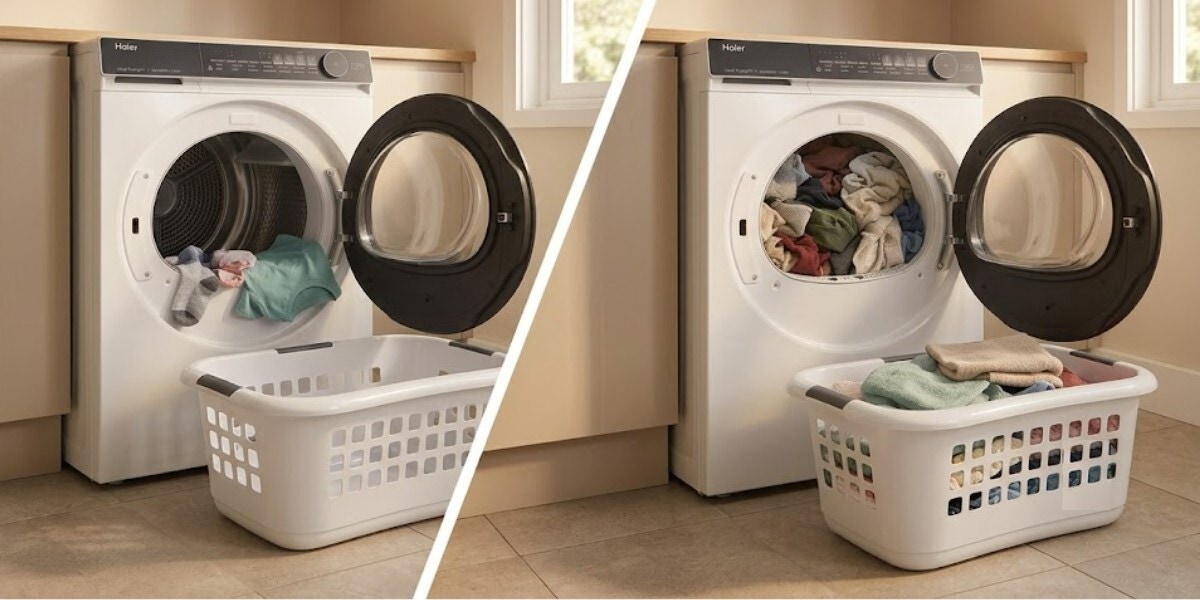
When it comes to drying freshly washed laundry, a full load is your most energy-savvy choice because every drying cycle carries a fixed energy cost for heating up, regardless of whether you’re drying one shirt or a full load. Think of it like preheating your oven: that part costs roughly the same whether you're about to cook one pizza or two. By running one full load rather than two smaller ones, you avoid paying that fixed heat-up cost twice.
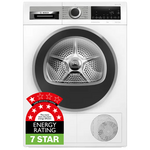
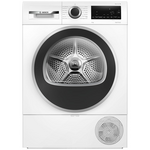
To put real numbers on it, the Bosch Series 8 9kg Heat Pump Tumble Dryer (WQG24201AU) has a 7-star Energy Rating and an annual energy consumption of 170 kWh, based on Australia's Standard Test for dryer energy ratings, which assumes once weekly use. That works out to roughly 3.27 kWh per full 9kg cycle. At an average electricity rate of $0.31/kWh, that's about $1 per full load (NOTE: actual cost can vary by your region, energy provider, time of use and choice of cycle).
Using the same logic, a 4.5kg half load might use roughly the same fixed heat-up energy (~0.8 kWh, ~$0.25) plus proportionally less energy to evaporate moisture (~1.24 kWh, ~$0.38), landing at around 2.04 kWh (~$0.63) per cycle. Worked out per kilogram, that's roughly 11.2c/kg for the full load versus 14c/kg for the half load - about 25% more expensive per item when you dry a half load instead of a full one. It’s not a lot for a single use, but doing the laundry is far from an occasional experience, and it adds up over time!
On top of that, dryers work by tumbling clothes through a current of hot air. This air needs to pass through and around the fabric to pull moisture out effectively. When you only have a few items in a large drum, more of that hot air can miss the clothes, doing less useful work per cycle.
How modern dryers tackle different load sizes
Today's dryers, both heat pump and some vented, are much smarter than older models and come with clever technology to manage different loads more efficiently. Features like moisture sensors and dedicated half-load settings can make a real difference to your energy bills and help protect your clothes from over-drying.
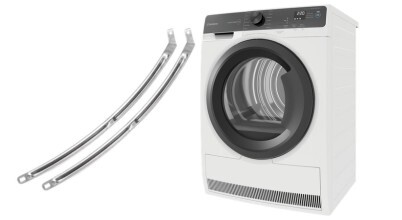
The humidity sensors in Westinghouse heat pump dryers may be small, but they are mighty useful
The role of auto-sensing technology
Auto-sensing is a feature that automatically stops the cycle when your clothes are determined to be dry. Most sensor dryers use two metal strips inside the drum to measure the moisture in the fabrics as they tumble past. When the sensor detects the clothes are dry, it ends the cycle. With full loads, this can help prevent the dryer from running longer than needed, which saves energy and is gentler on your clothes. Many models, like the Westinghouse 8kg EasyCare 500 Heat Pump Dryer, use this technology to help prevent over-drying and protect your laundry.
With small loads, however, sensors can take longer to give an accurate reading. With only a handful of items in a large drum, there's less fabric passing the sensor, and a single garment can also dry unevenly, staying slightly damp at a seam or waistband while the rest is dry. To avoid ending a cycle too early, most dryers wait for several consistent dry readings before stopping rather than trusting just one. With fewer items providing those readings, it simply takes longer to conclude the laundry is dry, which can lead to over-drying and wasted electricity - another reason a full load tends to be the more energy-efficient choice.
Using Half Load and Small Load settings
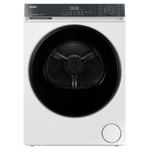
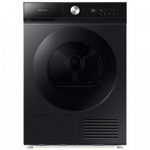
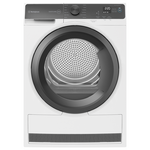
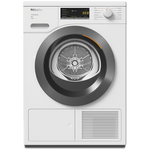
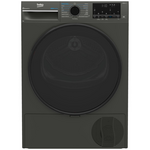
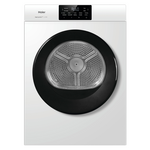
If you often find yourself needing to dry smaller loads, it makes sense to use a dedicated 'Half Load' or small-load feature, if your dryer has one. Instead of just running a standard cycle for less time, these settings are specifically designed to adjust energy usage and cycle duration for a smaller amount of laundry. Many dryers now have such functions, including these:
Model | Key feature for small loads | Customer rating |
Dedicated half load option to optimise drying for smaller loads | 4.9/5 | |
Quick Dry 35 cycle for drying a few items quickly | 4.5/5 | |
RapiDry program for drying up to 5kg loads in one hour | 4.8/5 |
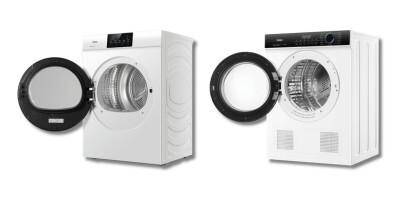
Small load energy inefficiency is evident in both heat pump and vented dryers
Heat pump vs. vented dryers: does it make a difference for small loads?
Heat pump dryers are more energy-efficient than vented models for full loads, typically using significantly less electricity per cycle. So what about small loads? Well, just as a vented dryer has the fixed energy cost of heating its element, a heat pump dryer has the fixed cost of heating its internal components, so the small-load inefficiency is still there for both types.
The key difference is that the total electricity use for a small load tends to be lower with a heat pump dryer, simply because its overall energy use is lower to begin with. So while a half load is still less efficient than a full one for either type, the energy and financial cost of that inefficiency is generally smaller with a heat pump model.

The 6 reasons you may want to get a heat pump dryer
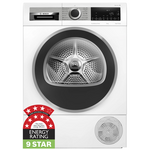
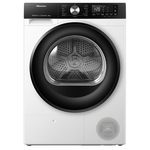
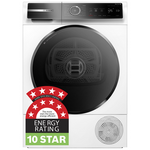
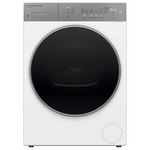
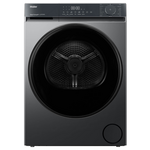
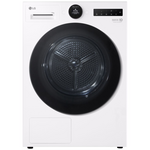
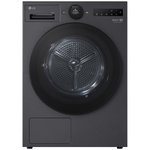
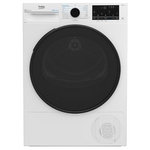
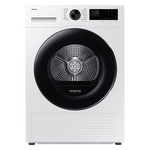
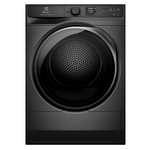
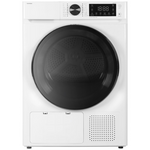
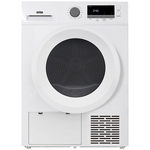
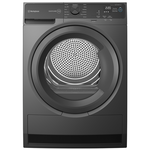
Heat pump dryers with 7 to 10 Energy Stars








How full is full?
Appliances Online’s laundry expert Colin Jones is a firm proponent of running full loads, but is careful to define exactly what ‘full’ means: “Unless you need a specific skirt or shirt dried urgently, it’s more energy efficient to wait until you have a full load of damp laundry. With the amount of washing most Aussie households have to deal with, it doesn’t usually take long - not long enough for most people!”
“One thing to be aware of though is not overfilling the drum, which can lead to longer drying times and leave your laundry with damp spots. You need space for clothes to tumble and the hot air to circulate, so the damp laundry you put in shouldn't sit higher than halfway up the drum.”
If your dryer has fabric-specific cycles, it’s worth using them, because they adjust the heat and time based on the material, not just the load size. Using a 'Delicates' or 'Woollens' cycle, for example, can protect your clothes by using gentler tumbling motions and lower temperatures than a 'Cottons' cycle.
Finally, on the topic of more energy-efficient drying, make it a habit to clean the lint filter regularly. A clogged filter restricts airflow, forcing your dryer to work harder and longer. A quick clean after every load can improve performance and running costs, and an occasional deep clean is a good idea too, for both efficiency and safety reasons.
Frequently Asked Questions
Is it better to run two half loads or one full load? One full load is almost always more energy-efficient. Running two separate half-load cycles means you're paying the ‘start-up’ energy cost of heating the dryer twice, which uses more power overall than a single, somewhat longer full-load cycle.
How full should a clothes dryer be? Aim to fill your dryer about half to two-thirds full. This leaves enough room for clothes to tumble, rather than just move around in a large clump, and for air to circulate effectively.
Do quick-dry cycles use more energy? Quick-dry cycles can use more energy per minute, as they often rely on higher heat or higher fan speeds to dry clothes faster. However, because they run for a much shorter time, the total energy used for a small, suitable load can end up being less than a longer standard sensor cycle.
What is the most energy-efficient type of dryer? Heat pump dryers are the most energy-efficient type available. They recycle heat instead of releasing it, typically using significantly less electricity than vented or condenser models. As such, they have at least a 7 energy star rating compared to 2 stars for vented and condenser models.
Does cleaning the lint filter really save energy? Yes - a clean lint filter is important for good airflow. When the filter is clogged with lint, air can't move as freely, making your dryer work harder and run longer to get your clothes dry. Cleaning it after every use is a simple habit that can help save energy and reduce drying time.

Need a more energy efficient dryer? Get fast FREE Delivery and FREE Connection!
We deliver energy-smart heat pump dryers and the rest of our 8,000+ home appliances to 95% of Australia's population, and we can usually get it to you by tomorrow (weekdays), with Appliances Online's legendary FREE delivery. Plus, we can unpack and connect it for you, for free, if you’ve got the necessary connections in place, and we’ll take your old one away for free recycling.
Check out the full range of heat pump dryers here, or if you need some pointers on choosing the best type or size for you, read our Laundry Buying Guide, call our friendly team 24/7 on 1300 000 500 or message us via the chat icon at the bottom of your screen.

Oli is Appliances Online's editor and blogger, with almost two decades of lifestyle-related writing and editing to his name. With a mission to help you buy better and live smarter, his brand loyalty will forever belong to the appliance manufacturer that develops a self-emptying dishwasher.
Latest Articles
HOME LIVING+
8 OCTOBER 2026
10 of our best selling indoor bar fridges in Australia 2026
Find the perfect compact drinks fridge for your home
BBQ & OUTDOOR
1 OCTOBER 2026
5 of our top best selling outdoor bar fridges in Australia 2026
Alfresco fridges to keep your drinks icy cold this summer.
BBQ & OUTDOOR
25 SEPTEMBER 2026
Indoor vs outdoor bar fridges
Important differences to know about
ECO & SAVE
21 SEPTEMBER 2026
How to choose more eco-friendly appliances for your home
There’s more to it than just energy efficiency
More Like This
HOME LIVING+
8 OCTOBER 2026
10 of our best selling indoor bar fridges in Australia 2026
Find the perfect compact drinks fridge for your home
BBQ & OUTDOOR
1 OCTOBER 2026
5 of our top best selling outdoor bar fridges in Australia 2026
Alfresco fridges to keep your drinks icy cold this summer.
BBQ & OUTDOOR
25 SEPTEMBER 2026
Indoor vs outdoor bar fridges
Important differences to know about