Your Cart
Your shopping cart is currently empty.
Laundry
Keep your wardrobe fresh and dapper with smart ideas for better washing and drying.
LAUNDRY | 3 JULY, 2026
10 MIN READ
How to deep clean your washing machine
Practical steps for front and top loaders
The short version: To clean your washing machine, run an empty drum cleaning or hot wash cycle using a washing machine cleaner, then clean the detergent dispenser, wipe the door seal or lid, and remove any debris from the pump filter if your model has one. Finish by wiping the exterior and leaving the door or lid open after each wash to help prevent mould, mildew and unpleasant odours. Deep clean your washing machine every six months, or more often if it gets heavy use or develops smells.
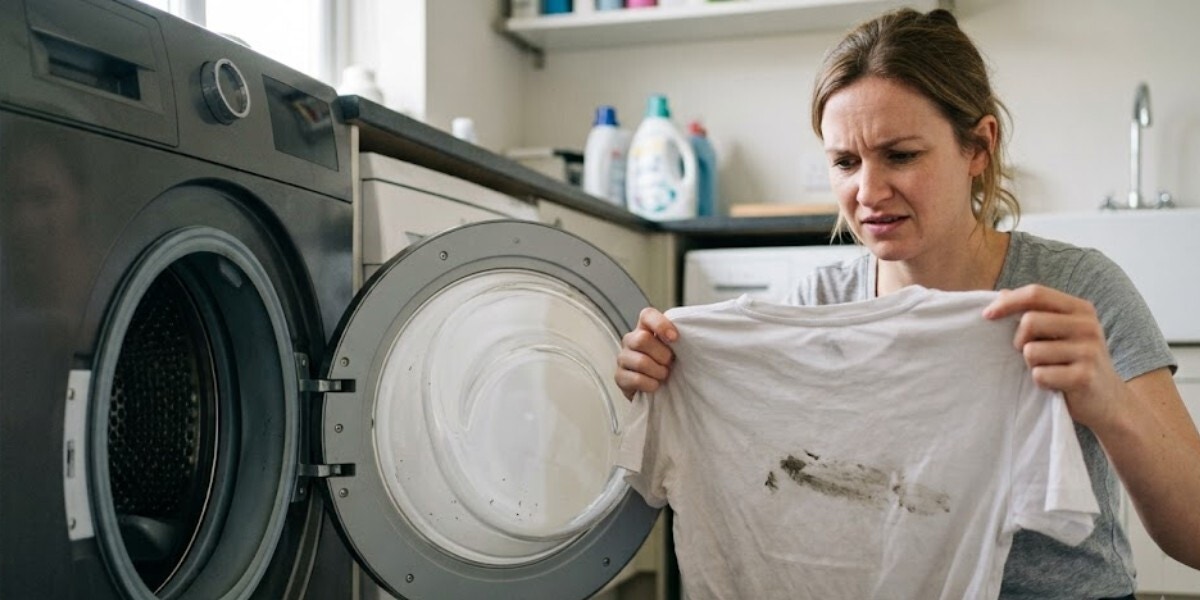
Washer leaving scrud on freshly cleaned clothes?
Your washing machine works hard to keep your clothes clean, but it needs a good clean itself every now and then. Over time, laundry detergent, fabric softener, lint, body oils and dirt can build up inside the drum, hoses and filters. Add moisture to the mix and it's easy to see why mould, mildew, bacteria, soap residue and the greasy build-up known as scrud can develop.
Giving it a deep clean every six months, along with a few regular good habits, can reduce bad smells, improve washing performance and help your machine last longer.
Whether you have a front-loading washing machine, top loader or a washer dryer, here's what you need to know.
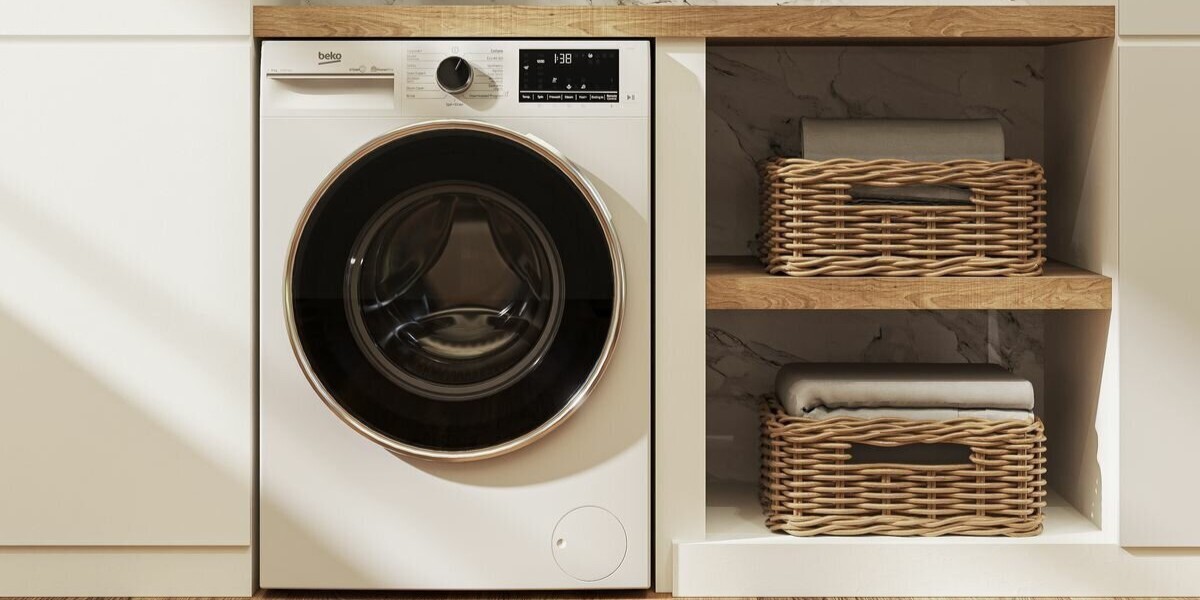
Cleaning clothes can be deceptively dirty work
Why your washing machine needs cleaning
It might seem strange that an appliance constantly filled with water and detergent can get dirty, but that's exactly what happens. Tiny amounts of detergent residue, soap scum and minerals from water, as well as lint and dirt from your clothes, gradually build up inside the machine. If left damp between washes, mould, mildew and bacteria can grow.
The result can be horrible smells, residue left on your laundry or sub-par washing performance.
Signs your washing machine could use a clean include:
Musty or stale smells coming from the drum
Visible grime or black spots around the rubber seal or inside the drum
Build-up inside the detergent drawer or detergent dispenser
Sludge or debris in the pump filter
Clothes not smelling fresh after washing
Visible soap residue or scrud on washed clothes or in the silicone gasket rim (front loader).

A few minutes a couple of times a year can work wonders with your washer
How often should you deep clean your washing machine?
For most households, deep cleaning the washing machine every six months is a good rule of thumb.
However, if your machine gets particularly heavy use or you notice bad smells or visible grime build-up, cleaning it every three months might be nearer the mark.
You may also benefit from more frequent cleaning if you:
Mostly use cold wash cycles.
Regularly use fabric softener.
Leave damp washing sitting in the machine after the cycle finishes.
Light maintenance between deep cleans will make the bigger clean much easier.
Cleaning a front loader vs a top loader
The overall cleaning process is very similar for both front loading washing machines and top loading washing machines, but there are a few important differences. Front loaders have a large rubber seal around the door that needs regular attention because it traps moisture and lint. Top loaders don't have this seal, but may have an agitator, dispensers or lid areas where residue can collect.
Here's a quick comparison:
Cleaning task | Front loader | Top loader |
Clean the drum | ✓ | ✓ |
Clean detergent dispenser | Usually | Sometimes |
Clean rubber door seal | Essential | Not required |
Wipe under lid | Not applicable | Recommended |
Clean pump filter | Usually user-accessible | Varies by model |
Leave door or lid open after washing | Highly recommended | Recommended |
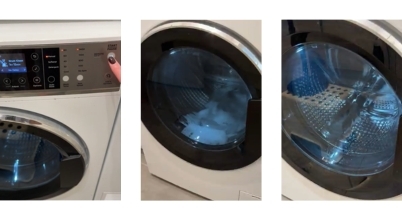
Modern washers usually have a dedicated 'drum wash' cycle
Step 1: Clean the drum
The drum and plumbing collect detergent residue, lint and dirt in both front and top loading machines. Most modern washers include a dedicated cleaning cycle or Drum Clean setting, making this an easy step to follow.
Manufacturers generally recommend using a washing machine cleaner rather than household products because it's designed to remove build-up without affecting internal components.
To clean the drum:
Empty the machine completely.
Add washing machine cleaner to the detergent drawer or dispenser according to the instructions.
Run the machine's Drum Clean/cleaning cycle or, if your washer doesn't have one, the hottest hot cycle available.
Allow the cycle to finish completely before using the machine again.
If you have a top loader, also wipe around the base of the centre wash mechanism while cleaning the drum. On models with an agitator (the tall central post that moves clothes through the water), lint and detergent residue can sometimes collect around its base. On machines with an impeller (a low-profile disc at the bottom of the drum), check around the edges for any grime. A quick wipe with a damp cloth is usually all that's needed.
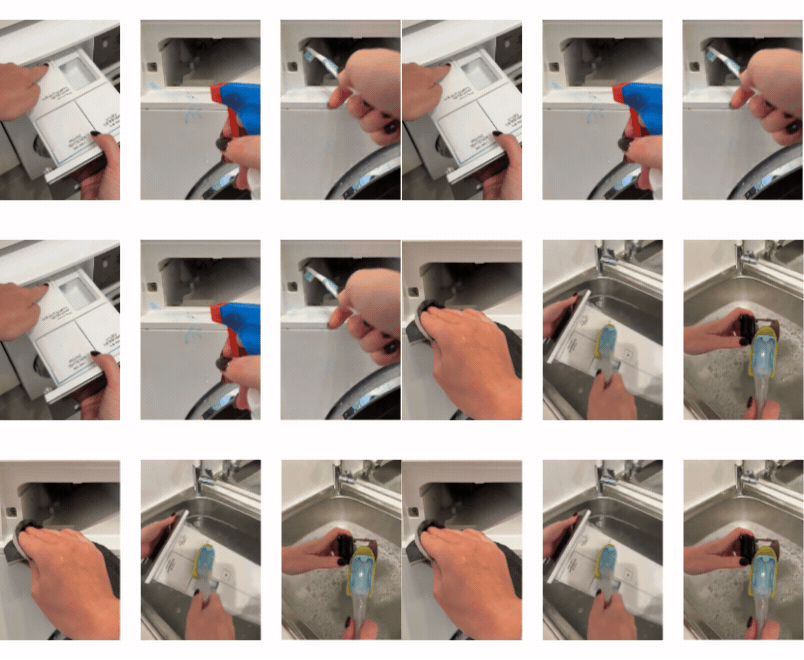
Detergent drawers can accumulate mould and 'scrud' caused by built-up residue over time
Step 2: Clean the detergent drawer or dispenser
Detergent and fabric softener can leave sticky residue behind, especially if too much product is used. Over time this can encourage mould growth and reduce how well detergent is flushed into the drum.
Many front loaders have removable detergent drawers, while some top loaders have built-in dispensers instead.
To clean it:
Remove the detergent drawer if your machine has one.
Rinse it under warm water.
Wipe away residue with a soft cloth.
Use an old toothbrush to clean small corners and openings.
Dry before replacing.
If your top loader doesn't have a removable drawer, simply wipe around the detergent and softener dispenser with a damp cloth.
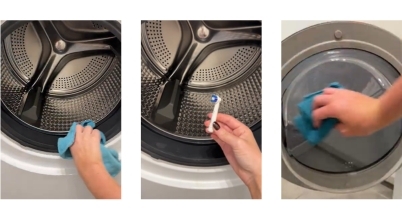
The door seal, aka 'gasket', can accumulate moisture, lint, residue and debris from pockets!
Step 3: Clean the door seal or lid
This is where front and top loaders differ most.
Front loading washing machines have a rubber seal (or gasket) around the door. Moisture, lint and detergent residue often collect inside its folds, making it one of the most common places for mould and mildew to develop.
Top loading machines don't have this large seal, but it's still worth cleaning around the lid and dispenser areas where moisture and residue may collect.
Front loaders
Pull back the folds of the rubber gasket.
Remove any lint, hair or debris.
Wipe thoroughly using a damp cloth and mild detergent.
Dry the seal when finished.
Top loaders
Wipe underneath the lid.
Clean around the detergent, bleach and fabric softener dispensers.
Remove any visible residue.
Avoid using abrasive cleaners or scourers, which can damage plastic and rubber surfaces.
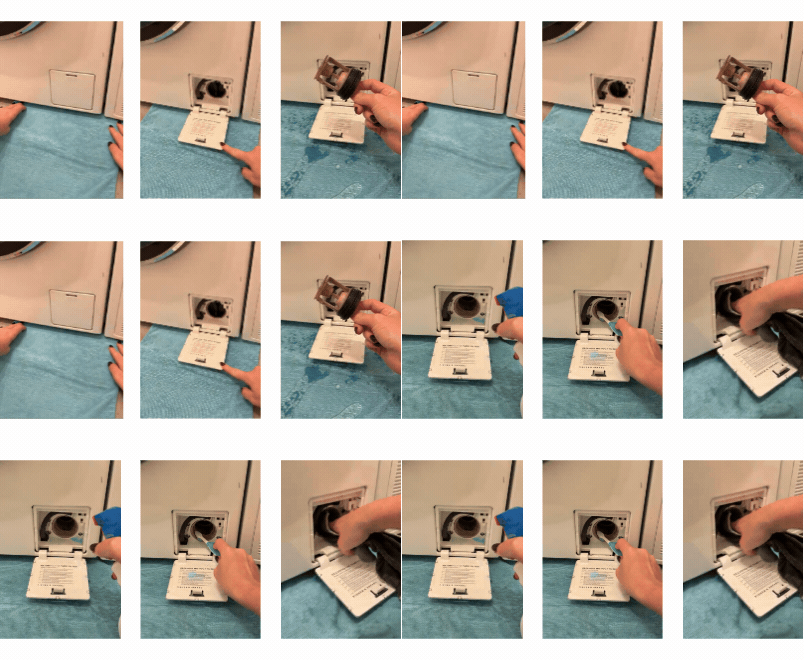
You may be surprised at what you find when you unscrew the pump filter cap
Step 4: Clean the pump filter
Front loaders have an easily accessible pump filter behind a small panel near the bottom front of the machine. Some top loaders either don't have a user-cleanable filter or locate it elsewhere, so check your owner's manual before attempting to remove it.
Cleaning the filter helps prevent drainage problems and removes lint, coins, hairpins and other debris that may have escaped from pockets.
If your machine has a removable filter:
Switch the washer off and unplug it.
Place an old towel and shallow tray directly in front of the small filter panel.
Open the panel cover and then unhook and drain the small pump outlet hose.
Unscrew the filter, wash it thoroughly and rinse.
Clear the filter cavity of any grime or obstructions before twisting the filter back into place.
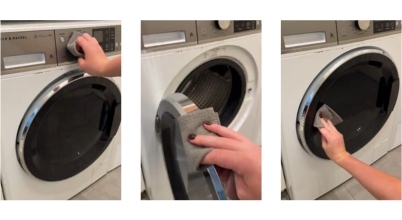
Keeping the outside as clean as the inside is a nice way to finish your washer's maintenance
Step 5: Clean the exterior
Cleaning the outside of your washer not only helps keep it looking its best, but also prevents detergent residue from building up around buttons and dials, which could potentially affect their function.
It takes only a minute or two and is the kind of small habit that keeps your machine looking newer for longer - particularly important for front loaders, where the door and surrounding trim are highly visible.
Simply:
Clean the exterior with a soft damp cloth.
Use a mild, non-abrasive cleaner if needed.
Wipe around buttons, handles and control panels.
Dry with a clean cloth.
Everyday habits that help keep your washer clean
Giving your washing machine a deep clean every few months is a good routine to get into, but your everyday laundry habits also make a big difference. Small changes can reduce detergent build-up, minimise moisture and help prevent mould from developing in the first place.
A few simple habits include:
Try to use only the recommended amount of laundry detergent.
Pre-treat heavily stained clothes before washing.
Avoid overloading the drum so water and detergent can circulate freely.
Remove damp laundry as soon as the cycle finishes (some front loaders now include ‘stay fresh’ functions that can keep washed loads fresh in the drum for several hours after a cycle).
Leave the door or lid ajar after every wash to allow the drum to dry. This is especially important for front loaders, which seal much more tightly than top loaders.
Wipe moisture from the door seals if water collects there.
Empty pockets before washing to prevent blockages!
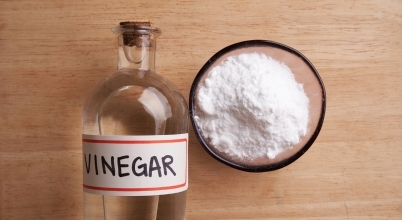
Can you use vinegar or baking soda?
You'll find plenty of advice recommending using white vinegar, baking soda, washing soda or bleach to clean a washing machine. While these household products may remove some light build-up, many appliance manufacturers recommend using a dedicated washing machine cleaner instead, as it's designed specifically for the job.
Some manufacturers specifically advise against routinely using vinegar inside the machine because its acidity may affect rubber seals and hoses over time. Bleach may be suitable for some washing machines but not others, so it's important to check your owner's manual before using it. Mixing vinegar and baking soda is also generally not recommended, as they largely neutralise each other's cleaning action once combined.
Before using any homemade cleaning method, check your washing machine's user manual to see what the manufacturer recommends.
Save energy while keeping your washer clean
A clean washing machine often works more efficiently, but there are also a few simple ways to reduce running costs while maintaining good washing performance.
To help save energy:
Use Eco programs where appropriate.
Use half-load settings if your machine has them and you’re only washing a few items.
Wash everyday (i.e. not heavily soiled) loads in cold water when suitable, because heating water up constitutes the major cost of a warm water wash.
If using hot water, consider washing during off-peak electricity times, or even the three free hours of power under the Australian government’s Solar Sharer Offer, if your tariff and meter allow it.
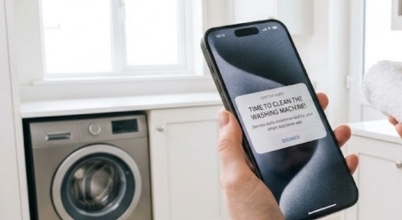
Set yourself a reminder!
Like cleaning your rangehood filters or changing smoke alarm batteries, washing machine maintenance is easy to forget.
Setting a recurring reminder every six months can help you stay on top of it. Spending just 10 minutes giving your washing machine a thorough clean can reduce stale smells, improve washing performance and help it keep working smoothly for years to come.
Need a new washer? Get it fast, with Free, Next Day Delivery*
If your washing machine’s got bigger problems than being a little grimy, it could be time to upgrade. Appliances Online stocks a wide range of front and top load washers, from premium brands to budget-friendly options. Plus, we deliver to 95% of Australia's population with Appliances Online's legendary FREE delivery - and we can usually get your new top loader washing machine to you by the next day (Mon-Fri) as long as it's in stock.
We'll also take all the packaging, and your old washer, away for recycling, for free. For tips on choosing the best washing machine for your home, read our Laundry Buying Guide, and if you still have questions, call our friendly team 24/7 on 1300 000 500, or message us via the chat icon at the bottom of your screen.

Oli is Appliances Online's editor and blogger, with almost two decades of lifestyle-related writing and editing to his name. With a mission to help you buy better and live smarter, his brand loyalty will forever belong to the appliance manufacturer that develops a self-emptying dishwasher.
Latest Articles

HOME LIVING+
8 OCTOBER 2026
10 of our best selling indoor bar fridges in Australia 2026
Find the perfect compact drinks fridge for your home

BBQ & OUTDOOR
1 OCTOBER 2026
5 of our top best selling outdoor bar fridges in Australia 2026
Alfresco fridges to keep your drinks icy cold this summer.
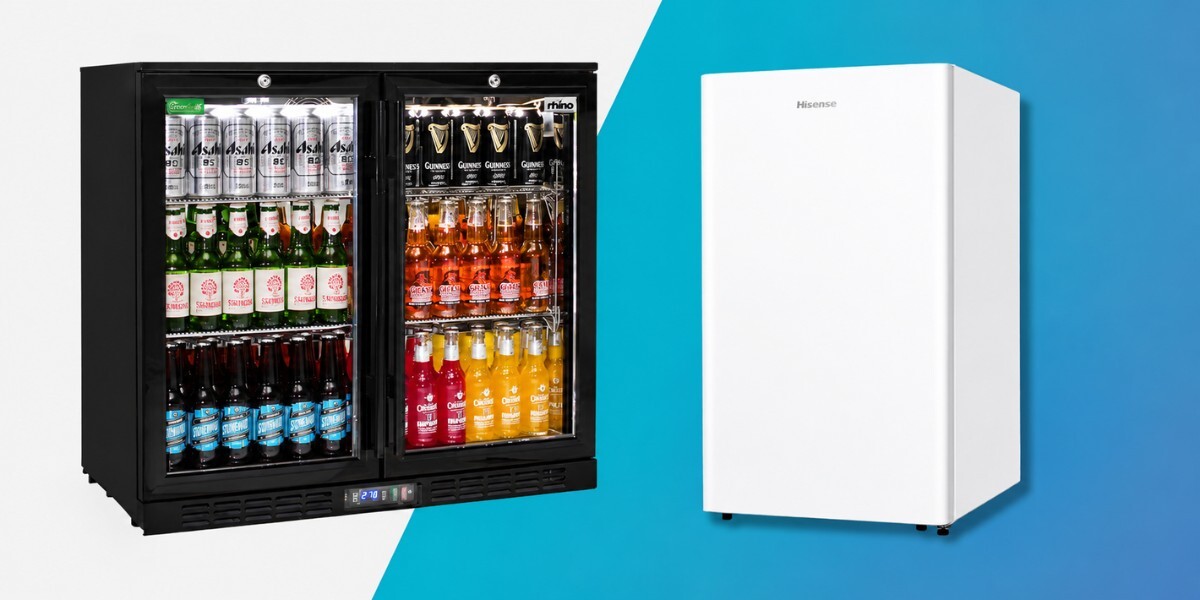
BBQ & OUTDOOR
25 SEPTEMBER 2026
Indoor vs outdoor bar fridges
Important differences to know about
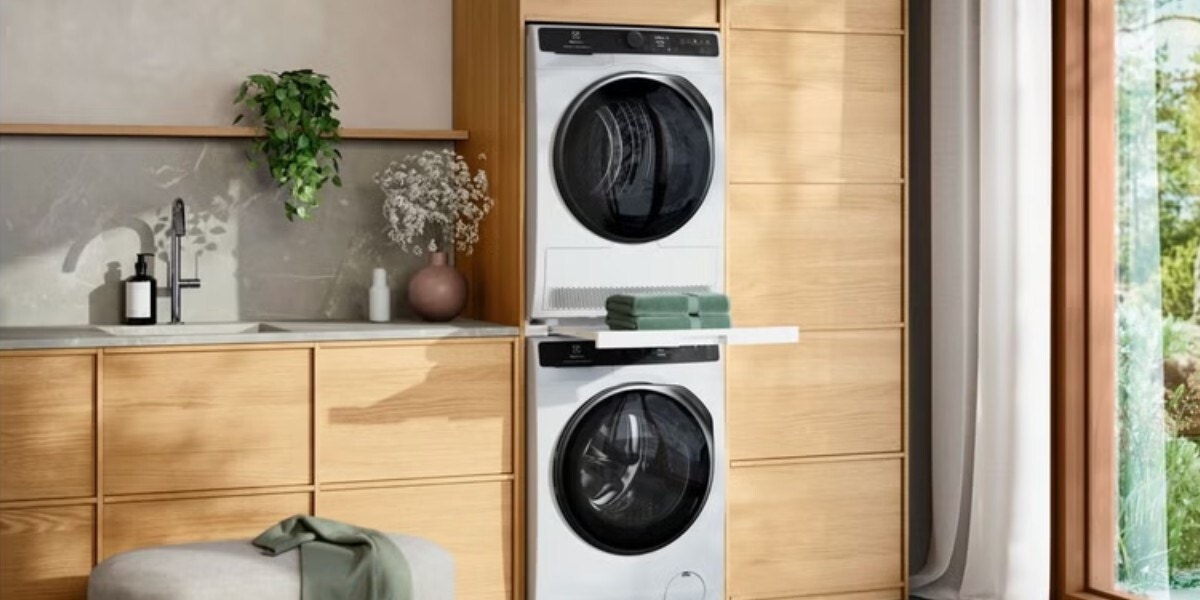
ECO & SAVE
21 SEPTEMBER 2026
How to choose more eco-friendly appliances for your home
There’s more to it than just energy efficiency
More Like This
HOME LIVING+
8 OCTOBER 2026
10 of our best selling indoor bar fridges in Australia 2026
Find the perfect compact drinks fridge for your home
BBQ & OUTDOOR
1 OCTOBER 2026
5 of our top best selling outdoor bar fridges in Australia 2026
Alfresco fridges to keep your drinks icy cold this summer.
BBQ & OUTDOOR
25 SEPTEMBER 2026
Indoor vs outdoor bar fridges
Important differences to know about