
Your Cart
Your shopping cart is currently empty.
Laundry
Keep your wardrobe fresh and dapper with smart ideas for better washing and drying.
LAUNDRY | 15 JUNE, 2026
10 MIN READ
How to clean your clothes dryer
A cleaner dryer is safer, more efficient and cheaper to run
The short version: To keep your clothes dryer working efficiently and safely, it needs regular cleaning. This involves emptying the lint filter after every load, washing filters in warm soapy water every few months, and clearing out the dryer vent or condenser unit to prevent fire hazards. Regular cleaning ensures good airflow, prevents burning smells, extends the lifespan of your appliance and helps keep energy bills in check.
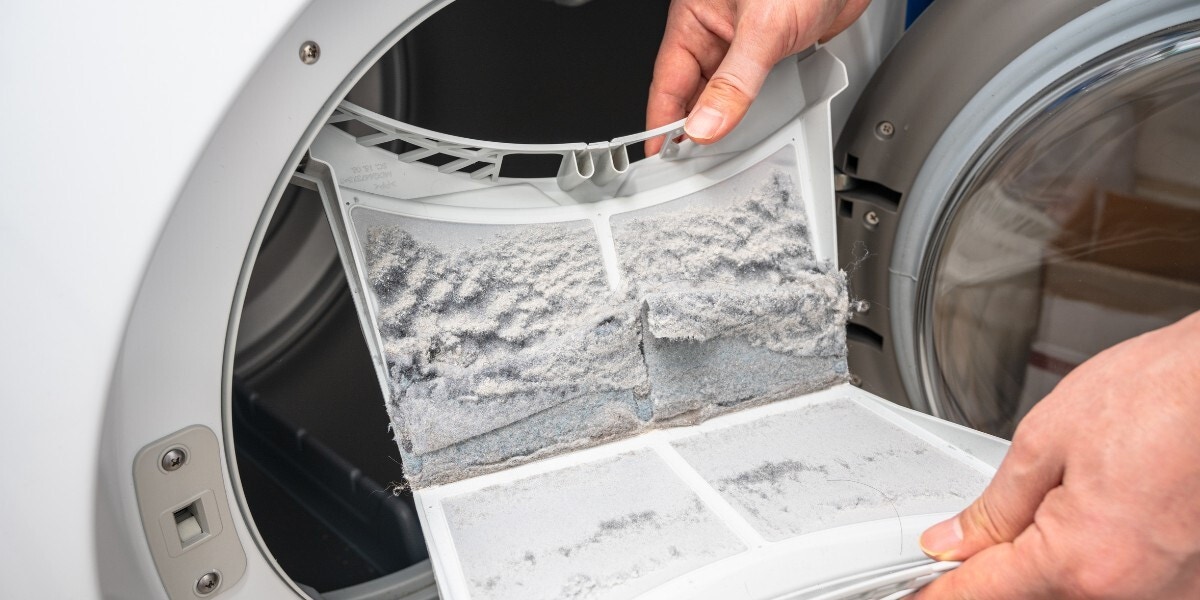
Drying freshly washed clothes might not seem like a messy task, but it actually involves a lot of heat, moisture, fluff, and grit. Every time your clothes dryer tumbles a load of laundry, minuscule fibres break off from the fabrics. Over time, these build up inside the internal components, which can significantly reduce your dryer’s efficiency. Regularly emptying the lint trap and leaving the door ajar after a cycle is a great start, but thoroughly cleaning your dryer every few months can help keep it working safely and efficiently.
When a dryer’s airflow is choked with lint, it has to work twice as hard to dry your clothes. This extra effort means your cycles will take longer, which drives up energy bills. More importantly, though, built-up lint combined with heat can create a fire hazard in your laundry. Taking a little time to clean your dryer properly every few months, therefore, will protect not only the machine but also your home.

How deep cleaning prevents fire risks and saves money
Clogged clothes dryers are a leading cause of household fires. Lint is highly flammable, and when it accumulates around the heating elements, in the exhaust hose, or in other internal components, restricted airflow can prevent the machine from cooling properly - creating a serious fire risk. This is particularly true of vented and condenser dryers, which run at higher temperatures than heat pump models. If you ever notice a burning smell coming from your laundry room while your dryer is running, turn it off immediately and check for trapped lint before using it again.
As well as being a safety precaution, keeping these areas clear of build-up prevents energy being wasted on unnecessarily long drying cycles. When airflow is restricted, moisture gets trapped inside the drum, forcing the dryer to run for longer to dry the load. To stop electricity use from spiralling unnecessarily, take a few minutes every couple of months to give your dryer a deeper clean.
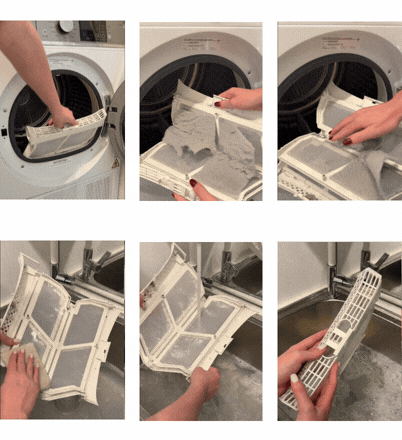
Remove filter, peel lint off, wash, rinse, dry and reinsert
Cleaning the lint filter properly
The lint filter is your machine's first line of defence against fluff, and it needs attention after every single load of laundry. Simply scraping the dry fluff off with your fingers after each use is a good start, but sometimes it needs a deeper clean. Over time, residues from fabric softeners, laundry detergents and dryer sheets can create a practically invisible, waxy film over the fine mesh that can stop air from passing through it.
To give it a deeper clean, remove the lint filter from its housing, remove any dry fluff with your fingers and then scrub the mesh thoroughly with a soft brush and warm soapy water. To test if it’s properly clean, pour a little water onto the mesh: if the water pools instead of running straight through, keep scrubbing. Let the filter dry completely before putting it back into the machine.
The lint filter is a key component when it comes to cleaning your dryer, but other parts need occasional attention too. Whether you have a heat pump, vented or condenser model, following the steps below will give your dryer a deeper clean. If you’re unsure of how to access any of the components that need cleaning, refer to your user manual for instructions and safety precautions (if you bought your dryer from Appliances Online, you should also be able to find a PDF of the user manual on your machine’s product page).
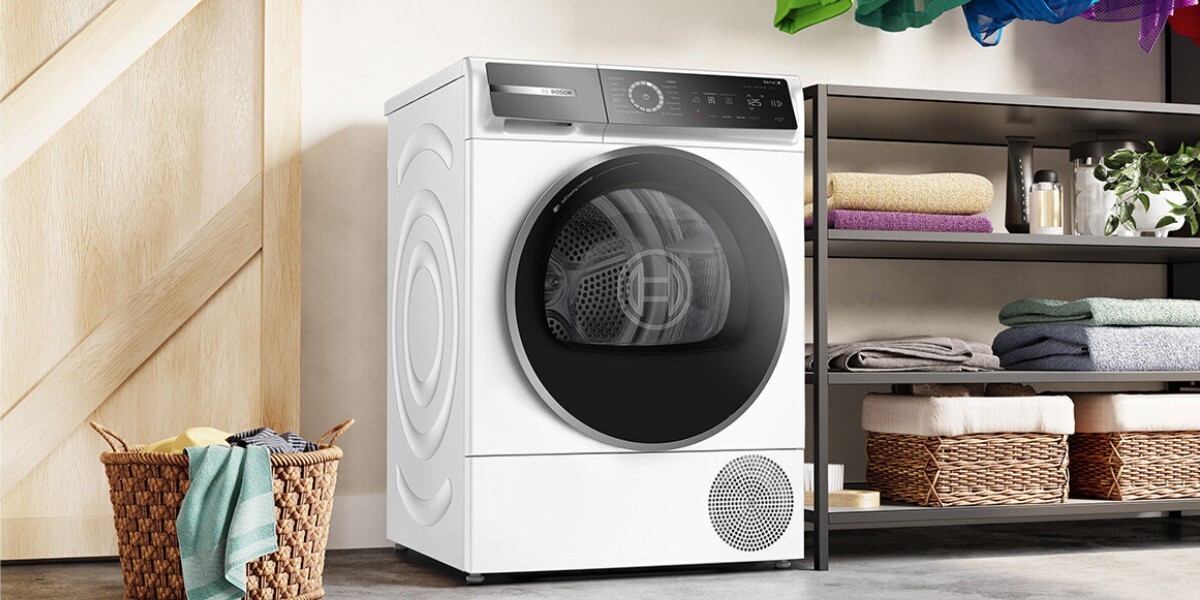
Heat pump dryers create less lint than vented models, but still require regular cleaning
Steps to deep clean a heat pump dryer
Heat pump dryers are increasingly popular because they recycle heat rather than blowing hot, damp air into your laundry room or ventilation ducting. Because they use a lower drying temperature - usually around 50°C compared to the 75°C used by vented dryers - and gentler drying motion, they are much more energy efficient and cause less damage to fabric. This results in less lint being produced, but because they don’t have an exterior vent, the fibre particles stay trapped inside, meaning regular maintenance is vital to prevent problematic build-up.
Follow these steps to complete the deep clean:
Turn off and unplug the dryer.
Remove the lint filter and, if it has one, the separate heat exchanger filter at the bottom, pick off any accumulated dry lint and wash the filters with warm soapy water, then let them dry completely (see section above for more detail).
Carefully clean the condenser unit fins behind the bottom access panel using a vacuum hose with a soft brush attachment, taking care not to bend the delicate metal.
Wipe down the interior dryer drum and the rubber door seal with a damp microfibre cloth and a mild detergent. If necessary, use a small amount of rubbing alcohol to dissolve built-up residue from dryer sheets.
If you use the water collection container, rather than a drain hose, to dispose of extracted water, empty and clean it. Even if you use a drain hose, it’s worth occasionally removing the container and wiping it.
Vacuum the air intake vents on the exterior of the machine using a soft-bristle nozzle.
Check the machine for general wear and tear, like frayed cords or loose control knobs.

Vented dryers have conveniently fast drying cycles, but can create a lot of lint
Steps to deep clean a vented dryer
Vented dryers are the more traditional style of clothes dryer you might have grown up with. They remove moisture by blowing hot, wet air out through either ducted ventilation or directly into your laundry room. Each cycle creates a significant amount of lint: if your dryer is connected to ducted ventilation, the lint can make its way deep into the dryer duct, the vent hose, and the exterior vent opening, while non-ducted models expel this damp air (and some lint) directly into the room. Either way, cleaning the machine regularly is essential for maintaining good airflow and preventing it from overheating.
If you are unsure of how to access any of the components that need cleaning, refer to your dryer's user manual for specific instructions and safety precautions.
Follow these steps to clean your vented dryer:
Turn off and unplug the dryer.
Remove the lint filter and pick off any accumulated dry lint, then thoroughly wash it with warm soapy water, rinse and leave it to dry fully (see section above for more detail).
Use your fingers or a small brush (an old toothbrush or paintbrush can work well) to loosen and remove any packed lint from tight corners in the empty filter slot, then vacuum it out using a narrow nozzle attachment. Take care not to push lint deeper into the slot or drop anything into it.
Wipe down the interior dryer drum and the rubber door seal with a damp microfibre cloth and a mild detergent. If necessary, use a small amount of rubbing alcohol to dissolve built-up residue from dryer sheets.
If your dryer vents directly into the room, also complete the following step:
Vacuum and wipe the slats of the front vent grille where hot air exits, as lint can accumulate here over time.
If your dryer is connected to external ducting, also complete the following steps:
Pull the dryer away from the wall and disconnect the exhaust hose from the back of the machine - this may require a screwdriver to loosen the metal clamps.
Vacuum inside the vent duct, the flexible dryer vent hose, and the dryer's exhaust outlet using a soft-bristle nozzle.
Go outside your home and ensure the exterior vent or wall flaps are clear of obstructions like leaves.
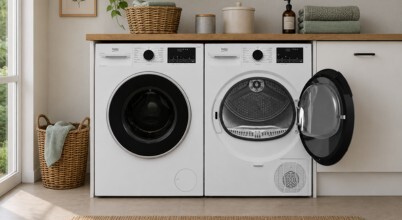
Condenser dryers have a removable condenser cassette that needs regular cleaning to remove lint
Steps to deep clean a condenser dryer
Condenser dryers extract moisture as vapour from your hot clothes and condense it into water, which either pumps away down a drain or collects in a removable tank. Like vented models, they dry at relatively high temperatures and create a significant amount of lint. Like heat pump models, however, they do not have an external vent, so all the fluff stays inside and can clog the removable condenser cassette - a block of metal plates that extracts moisture from the air. Washing this component every few months can keep your machine running more efficiently and economically.
If you are unsure of how to access any components that need cleaning, refer to your dryer's user manual for specific instructions and safety precautions.
Follow these steps to clean your condenser dryer:
Turn off and unplug the dryer.
Remove the lint filter and pick off any accumulated dry lint, then thoroughly wash it with warm soapy water, rinse and leave it to dry fully (see section above for more detail).
Open the lower access panel, carefully slide out the entire condenser cassette block, and take it to a laundry sink or outside to a garden hose.
Gently rinse the condenser cassette from both sides with water to flush out the grey fluff packed between the plates, and allow it to dry completely.
Wipe down the interior dryer drum and the rubber door seal with a damp microfibre cloth and a mild detergent. If necessary, use a small amount of rubbing alcohol to dissolve built-up residue from dryer sheets.
If you use the water collection container, rather than a drain hose, to dispose of extracted water, empty and clean it. Even if you use a drain hose, it’s worth occasionally removing the container and wiping it.
Vacuum the empty condenser housing slot and the air intake vents on the dryer’s exterior using a soft-bristle nozzle.
Once the cleaned components are 100% dry, reinsert them.
Taking a few minutes every now and then to deep clean your clothes dryer will pay dividends in the long run. By clearing out the lint trap, wiping down the drum, and vacuuming out the vent, you could prolong the life of your dryer and keep power bills in check while also reducing the risk of fire in your home.
Need a new dryer? Get it fast with Free Next Day Delivery*
If your machine is still struggling to dry properly after a deep clean, it might be time for an upgrade. We deliver heat pump, vented and condenser dryers to 95% of Australia's population, and we can usually get it to you by tomorrow (weekdays), with Appliances Online's legendary FREE delivery. Plus, we offer paid Same Day Delivery in NSW, QLD, and VIC metro areas if you order before 12pm Mon-Fri.
Check out our full range of dryers here, or if you need some pointers on choosing the best type or size for you, read our Laundry Buying Guide, call our friendly team 24/7 on 1300 000 500 or message us via the chat icon at the bottom of your screen.

Oli is Appliances Online's editor and blogger, with almost two decades of lifestyle-related writing and editing to his name. With a mission to help you buy better and live smarter, his brand loyalty will forever belong to the appliance manufacturer that develops a self-emptying dishwasher.
Latest Articles

HOME LIVING+
8 OCTOBER 2026
10 of our best selling indoor bar fridges in Australia 2026
Find the perfect compact drinks fridge for your home

BBQ & OUTDOOR
1 OCTOBER 2026
5 of our top best selling outdoor bar fridges in Australia 2026
Alfresco fridges to keep your drinks icy cold this summer.
BBQ & OUTDOOR
25 SEPTEMBER 2026
Indoor vs outdoor bar fridges
Important differences to know about
ECO & SAVE
21 SEPTEMBER 2026
How to choose more eco-friendly appliances for your home
There’s more to it than just energy efficiency
More Like This
HOME LIVING+
8 OCTOBER 2026
10 of our best selling indoor bar fridges in Australia 2026
Find the perfect compact drinks fridge for your home
BBQ & OUTDOOR
1 OCTOBER 2026
5 of our top best selling outdoor bar fridges in Australia 2026
Alfresco fridges to keep your drinks icy cold this summer.
BBQ & OUTDOOR
25 SEPTEMBER 2026
Indoor vs outdoor bar fridges
Important differences to know about