
Your Cart
Your shopping cart is currently empty.
Laundry
Keep your wardrobe fresh and dapper with smart ideas for better washing and drying.
LAUNDRY | 9 SEPTEMBER, 2026
6 MIN READ
How do sensor dryers work?
Moisture sensors take the guesswork out of drying laundry
The short version: Sensor dryers use two metal strips inside the drum to detect changes in electrical conductivity - wet fabric conducts electricity more readily than dry fabric. As clothes tumble past, the control system uses these readings to determine when the load has reached your chosen dryness level, rather than running for a fixed time. This can help prevent over-drying, reduce unnecessary heating and tumbling, and may trim your energy bills.
What is a sensor dryer?
When you pull a warm, perfectly dried load of laundry out of the dryer, you've probably got moisture sensing to thank. Sensor dryers are designed to end the drying cycle when their sensors detect that the load has reached the dryness level you've selected, rather than running for a fixed amount of time. This can help avoid unnecessary heating and tumbling, which may cost you more and put extra wear on fabrics.
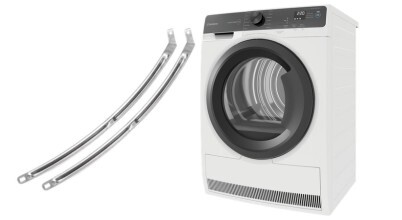
The sensors used in some Westinghouse heat pump dryers
How does a dryer's moisture sensor actually work?
Most clothes dryers with a sensor dry setting rely on a surprisingly simple bit of engineering tucked inside the drum. Two strips of metal, sometimes referred to as sensor bars, sit near the front or back of the dryer drum, and as wet clothes tumble past and brush against them, the strips detect changes in electrical conductivity. Wet fabric conducts electricity more readily than dry fabric, so as your load loses moisture, the readings change. An electronic control board interprets these signals and, once it determines that the fabric has reached the dryness level you've selected, it ends the drying cycle.
Many dryers also use temperature sensors to monitor conditions inside the drum. These can help the control system manage the drying cycle by preventing clothes from overheating.
Sensor dry vs timed dry: what's the difference?
Timed dry is the older, more basic approach - you set a duration based on what you think might be necessary, and the dryer runs for that long regardless of how wet or dry the load actually is. Sensor dry takes a more responsive approach, using moisture sensing to judge dryness as the cycle progresses rather than relying on your guesswork. This generally means less over-drying, since clothes aren't left tumbling and heating long after they've reached the desired dryness level. It may also modestly reduce energy use, since the dryer isn't running longer than necessary.

For individual items, a timed dry may be quicker than a sensor dry
Why does sensor dry sometimes struggle with small loads?
It's a common frustration that a single shirt or skirt - which is generally an urgent situation - can take longer than expected to finish on sensor dry. One reason is that fewer items means less fabric passing the sensor bars per rotation, making it harder for the control system to obtain the consistent readings it needs before ending the cycle. Small loads can also tumble differently from fuller loads, which can affect how consistently laundry makes contact with the sensors.
If this is an issue when you dry just one or two items, a timed dry may be a better option. Some dryers also have dedicated small-load, quick-dry or fast-dry programs specifically designed to handle smaller quantities.
We've covered this in more depth, including tips for small loads, in Does a full dryer use more energy than a half load?
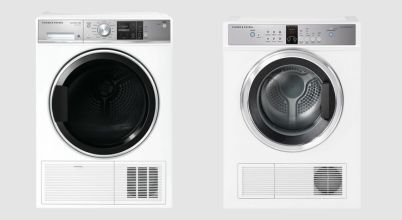
The moisture sensors in heat pump and vented dryers work similarly, but the drying technology differs considerably
Heat pump vs vented dryers: does the sensor work differently?
The moisture-sensing principle can be similar in both dryer types, but the way each dryer generates and manages heat is quite different, which can affect drying time.
A vented dryer draws in air, heats it with an electric heating element, tumbles it through the wet clothes, then expels the warm, moist air outside through a duct or vent (or straight into your laundry room if you don’t have ducted venting set up).
A heat pump dryer instead recirculates air through a largely closed-loop system, using a heat exchanger to extract moisture from the air. The moisture is collected in a tank or drained away, while the warmed, dried air is sent back into the drum. Heat pump dryers typically run at lower temperatures and use less energy, which can mean lower utility bills, though they often take longer per cycle than a vented dryer.
Heat pump dryers with sensor drying


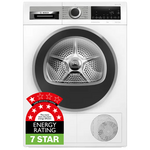

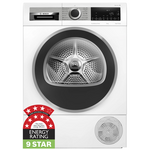
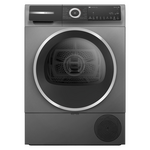
Bosch Series 8 8kg Heat Pump Tumble Dryer Cast Iron Grey WQH235BFAU
Yet to be reviewed



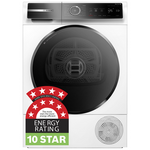
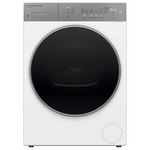
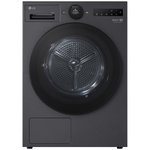
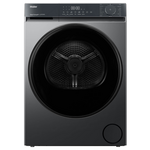

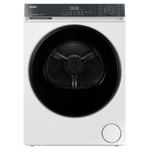
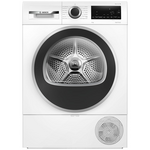


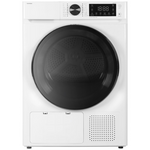

Bosch Series 8 8kg Heat Pump Tumble Dryer WQH235B8AU
Yet to be reviewed


Keeping sensors accurate
Ever find that some of the clothes you pull out of the dryer are bone dry in parts but still damp under the arms? A dirty sensor could be the culprit, although uneven drying can also have other causes, including overloading, tangled items, an unsuitable cycle or restricted airflow. A sensor dryer is only as effective as its sensing system, so a bit of regular upkeep goes a long way.
Cleaning the lint filter after every load is one of the most useful maintenance habits. Built-up lint can restrict airflow and contribute to longer drying times. It's also worth regularly wiping down the metal sensor strips themselves with a soft, damp cloth, following the manufacturer's cleaning instructions, as residue from fabric softener and dryer sheets can build up on them over time and interfere with moisture sensing. Some manufacturers recommend cleaning the sensors periodically with vinegar or another specified cleaning method, so check your dryer's manual before choosing a cleaning product.
For vented dryers, keeping the exhaust vent clear helps maintain good airflow. For heat pump dryers, clean the lint filters and heat exchanger or condenser as directed by the manufacturer. Keeping these areas clear can help maintain drying performance and avoid unnecessarily long cycles.
Sensor drying is a genuinely useful bit of technology for everyday laundry, using a relatively simple sensing system to detect changes in moisture as clothes tumble through the dryer drum. A little care - a clean lint filter and sensor bars, and clear airflow - helps your dryer sense moisture effectively, cycle after cycle, whether you're running a heat pump or vented model.
Get your new dryer fast, with Free Next Day Delivery*
We deliver dryers and the rest of our home appliances to 95% of Australia's population and we can usually get them to you by tomorrow (weekdays), with Appliances Online's legendary FREE delivery. Plus, we offer paid Same Day Delivery in NSW, QLD, and VIC metro areas if you order before 12pm Mon-Fri.
Check out our full range of heat pump dryers here, or if you need some pointers on choosing the best type or size for you, read our Laundry Buying Guide, call our friendly team 24/7 on 1300 000 500 or message us via the chat icon at the bottom of your screen.

Oli is Appliances Online's editor and blogger, with almost two decades of lifestyle-related writing and editing to his name. With a mission to help you buy better and live smarter, his brand loyalty will forever belong to the appliance manufacturer that develops a self-emptying dishwasher.
Latest Articles

TV, AUDIO & ELECTRONICS
14 OCTOBER 2026
How to get the best Black Friday TV deal in 2026
Get the right TV for your home at the right price.

TV, AUDIO & ELECTRONICS
14 OCTOBER 2026
How to shop smarter this Black Friday
Black Friday tips to avoid FOMO and buyer’s remorse.

HOME LIVING+
8 OCTOBER 2026
10 of our best selling indoor bar fridges in Australia 2026
Find the perfect compact drinks fridge for your home
BBQ & OUTDOOR
1 OCTOBER 2026
5 of our top best selling outdoor bar fridges in Australia 2026
Alfresco fridges to keep your drinks icy cold this summer.
More Like This
TV, AUDIO & ELECTRONICS
14 OCTOBER 2026
How to shop smarter this Black Friday
Black Friday tips to avoid FOMO and buyer’s remorse.
TV, AUDIO & ELECTRONICS
14 OCTOBER 2026
How to get the best Black Friday TV deal in 2026
Get the right TV for your home at the right price.
HOME LIVING+
8 OCTOBER 2026
10 of our best selling indoor bar fridges in Australia 2026
Find the perfect compact drinks fridge for your home