Your Cart
Your shopping cart is currently empty.
Kitchen
All things cooking, cleaning, chilling and more for the hard-working heart of your home.
KITCHEN | 14 MAY, 2026
6 MIN READ
How to deep clean your dishwasher
Steps to keep your dishes - and your machine - sparkling clean
The short version: The best way to deep clean a dishwasher is to remove and scrub the filter and spray arms, wipe down the interior walls and rubber seal with a white vinegar solution, then run an empty high-temperature wash cycle with a dishwasher cleaner liquid or tablet. Doing this every one to two months prevents limescale and grime build-up and keeps the machine running efficiently.
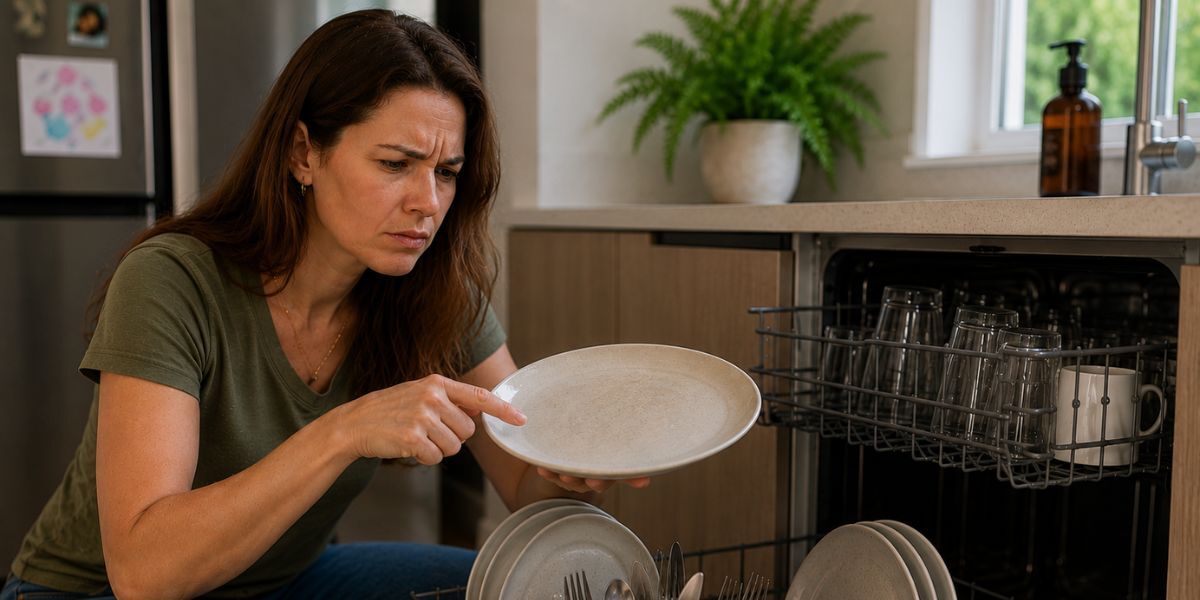
Despite the fact that it specialises in washing things, your dishwasher isn't self-cleaning. It works hard every day to keep your plates, cutlery and glassware glistening, but every now and then it needs a good clean of its own. Over time, food particles, grease, and limescale build up inside, which can leave you with a smelly dishwasher, cloudy glasses, and dishes that aren't coming out as hygienically clean as they should be.
Fortunately, it’s a simple enough DIY job - or, even better than DIY’ing it, get someone else in the house to DIFY (do it for you). Set aside ten minutes every month or two and follow these steps.

Need a new dishwasher? Check out our Top 10 customer favourites
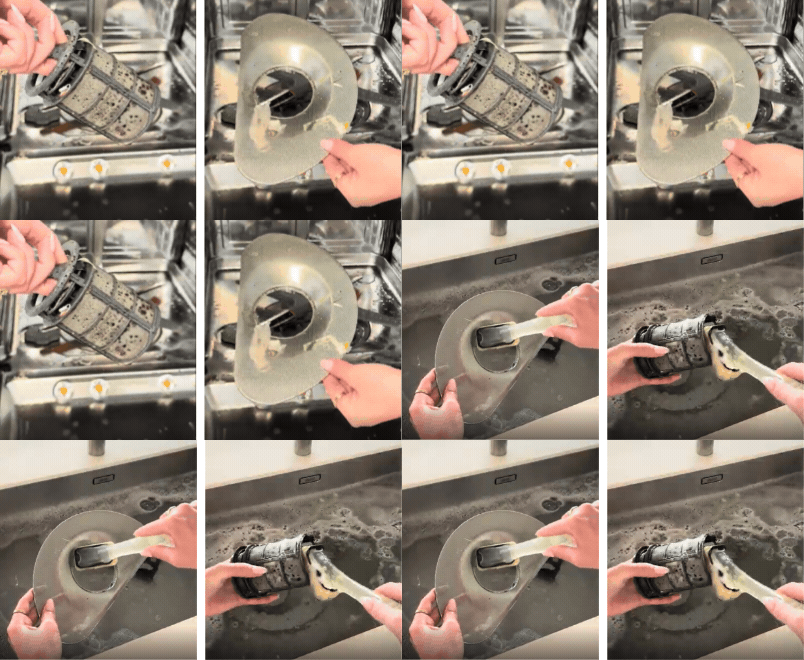
The filter is the first place grime builds up, so give it a good, but gentle, scrub with a soft scrubbing brush
Step 1: Clean the dishwasher filter
The dishwasher filter sits at the bottom of the dishwasher and catches all the bits of food that wash off your plates during a cycle. Naturally, it’s where most of the grime builds up, so if you've got a smelly dishwasher or plates are coming out greasy, this is usually the culprit.
As well as doing this routinely every month or so, it's worth checking the filter if dishes ever come out less clean than they should. If your brother-in-law 'helped' stack the dishwasher after the family BBQ, there's a fair chance a rogue chicken bone or chunk of corn cob has lodged in the filter and is affecting every wash.
Remove the filter housing, mesh panel, and cylindrical filter from the base of the machine.
Soak them for a few minutes in warm water and dish soap.
Scrub the hard components thoroughly with a dishwashing brush, and use a softer brush or sponge on the more delicate cylindrical filter.
Rinse well under hot water and reinstall everything securely.
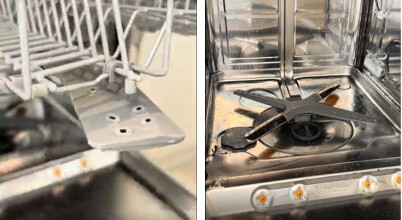
If holes in spray arms are clogged and preventing proper water circulation, a toothpick is often all you need to unblock them
Step 2: Check and clean the spray arms
It's easy to overlook the spray arms in your dishwasher because they're usually hidden beneath the racks and you never see them in action - but, of course, they are the heroes in the war on dirty dishes.
Both upper and lower spray arms blast powerful jets of water around the inside of your dishwasher during a wash cycle. If the holes get blocked with hard water deposits or bits of food, water can't circulate properly and dishes won't come out as clean as they should.
Inspect the holes in both spray arms for any blockages, and use a toothpick or paperclip to gently unclog them.
If the arms are looking grimy or you notice significant residue build-up, remove the dish racks so you can fully detach the spray arms (if it’s not obvious how to do this, check your dishwasher’s manual).
Soak them in warm soapy water, scrub gently, rinse under hot water, then reattach.
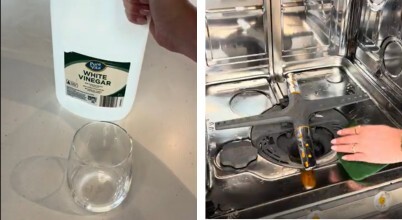
A simple mix of white vinegar and water is effective at cutting through grease and helping keep mould at bay
Step 3: Wipe down the interior, rubber seal and dishwasher door
Now for the inside of your dishwasher - the walls, corners, edges, and the seal around the dishwasher door. This is where mould and grime love to hide, especially in the folds of the rubber seal.
Mix equal parts white vinegar and warm water, then use a damp cloth to wipe down all the internal areas. Don't forget the inner door frame, and while you're at it, give the control panel and exterior a quick wipe down too.
White vinegar is one of the best natural cleaning products for cutting through grease and grime: it's completely safe to use on stainless steel dishwashers and helps prevent mould from taking hold.
If you have issues with heavy limescale from hard water, you might want to swap the vinegar solution for a dedicated descaler or a citric acid solution, which are good at dissolving stubborn mineral build-up.
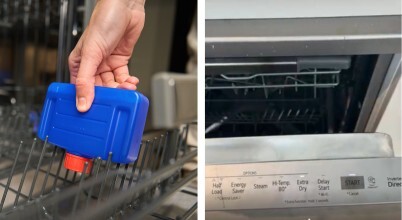
Complete your dishwasher's deep clean by placing a dishwasher cleaner in the empty machine and running a hot wash cycle
Step 4: Run an empty hot wash cycle with a dishwasher cleaner
After you’ve finished manually cleaning the filter, spray arms and interiors, run a high-temperature wash cycle for the empty dishwasher using a dishwasher cleaner liquid or tablet.
Place the cleaner in the bottom rack as directed on the packaging, and let the machine do the rest of the work. The hot water and cleaner work together to break down any remaining grease, odours, and limescale.
See these 4 steps in action on our Instagram!
Extra tips for regular upkeep
Scrape, don't rinse: Scrape leftover food into the bin before loading - you don't need to rinse plates first because today's dishwashers are designed to handle the rest, but large bits of solid food are the main cause of filter clogs and drain blockages.
Rinse aid: Keep your rinse aid topped up. It helps prevent water spots and keeps clean dishes coming out shinier.
Leave the door ajar after a cycle: Once the cycle finishes, open the door slightly to let steam and moisture escape, even if you don't plan on emptying it immediately (if you're lucky, your dishwasher may even do this automatically). This helps the interior, as well a sthe dishes, dry out and reduces the damp conditions that can lead to mould and stale smells.
Stay on top of it: A quick wipe of the dishwasher door and a filter check every couple of weeks makes your monthly deep clean much quicker and easier.
With a little regular maintenance, you can help your dishwasher keep running efficiently - and your dishes stay sparkling clean.
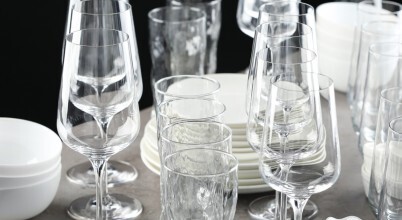
Need a new dishwasher? Get it fast with Free, Next Day Delivery*
We deliver to 95% of Australia's population with Appliances Online's legendary FREE delivery - and we can usually get your new dishwasher - or other appliance - to you by the next day (Mon-Fri) as long as it's in stock. Plus, we offer paid Same Day Delivery in NSW, QLD, and VIC metro areas if you order before 12pm Mon-Fri.
We'll also take your old disconnected dishwasher away for recycling, for free, when we deliver your new one - which most retailers won’t do. For more tips on choosing the best dishwasher for your needs, read our Dishwasher Buying Guide, and if you still have questions, call our friendly team 24/7 on 1300 000 500, or message us via the chat icon at the bottom of your screen.

Oli is Appliances Online's editor and blogger, with almost two decades of lifestyle-related writing and editing to his name. With a mission to help you buy better and live smarter, his brand loyalty will forever belong to the appliance manufacturer that develops a self-emptying dishwasher.
Latest Articles

TV, AUDIO & ELECTRONICS
14 OCTOBER 2026
How to get the best Black Friday TV deal in 2026
Get the right TV for your home at the right price.

TV, AUDIO & ELECTRONICS
14 OCTOBER 2026
How to shop smarter this Black Friday
Black Friday tips to avoid FOMO and buyer’s remorse.
HOME LIVING+
8 OCTOBER 2026
10 of our best selling indoor bar fridges in Australia 2026
Find the perfect compact drinks fridge for your home
BBQ & OUTDOOR
1 OCTOBER 2026
5 of our top best selling outdoor bar fridges in Australia 2026
Alfresco fridges to keep your drinks icy cold this summer.
More Like This
TV, AUDIO & ELECTRONICS
14 OCTOBER 2026
How to shop smarter this Black Friday
Black Friday tips to avoid FOMO and buyer’s remorse.
TV, AUDIO & ELECTRONICS
14 OCTOBER 2026
How to get the best Black Friday TV deal in 2026
Get the right TV for your home at the right price.
HOME LIVING+
8 OCTOBER 2026
10 of our best selling indoor bar fridges in Australia 2026
Find the perfect compact drinks fridge for your home