
Your Cart
Your shopping cart is currently empty.
Kitchen
All things cooking, cleaning, chilling and more for the hard-working heart of your home.
KITCHEN | 30 DECEMBER, 2025
8 MIN READ
4 ways to make your water and ice taste better
Purer, cleaner-tasting drinks, made simple

Don't let bad ice ruin perfect drinks
In Australia, we are fortunate to have some of the safest and best-regulated drinking water in the world. In most parts of the country, tap water is perfectly good to drink and generally tastes clean and fresh. That’s why it can be surprising when a glass of water, juice or cocktail starts to taste slightly chemical or unpleasant after a couple of ice cubes have melted into it. Granny grimacing at her G&T? Not what you want.
Off-tasting ice is a common experience, and it doesn’t usually mean there’s anything wrong with your water supply. It’s got more to do with how freezing affects water, how ice absorbs flavours and aromas from its surroundings, and how impurities are released as ice melts. Understanding this helps explain why ice cubes can change the taste of your drink - and what you can do to improve the quality of both your water and your ice.
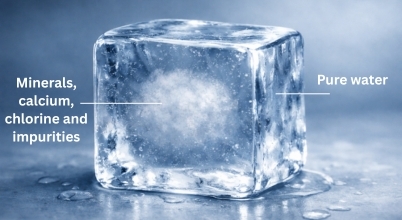
Why melted ice can change the taste of your drink
Ice cubes don’t freeze as evenly as you might expect. Pure water molecules freeze first, while dissolved minerals, calcium, chlorine, and other impurities are pushed into the last areas to freeze, often forming the cloudy centre of an ice cube. When the cube melts, those concentrated elements can be released into your drink all at once, creating sharper or more noticeable flavours.
Cold temperatures also dull our sense of taste. While a drink is icy cold, off flavours are harder to detect. As the ice melts and the water warms slightly, those flavours become more noticeable, which is why melted ice water can taste worse than cold tap water on its own.
Freezers play a role too. As water freezes, ice forms a crystal structure that can trap and hold food odour molecules that circulate with the air inside the freezer. Even after freezing, ice can continue to absorb smells from the air inside the freezer, so older cubes sitting exposed in an ice bin are especially prone to developing off-tasting notes, which only become obvious once the ice melts.
4 options for purer tasting ice and water
So, what can you do to improve the flavour of your ice and water? Whether you’re ready for a major kitchen appliance upgrade or a budget-friendly quick fix, you’ve got a few options.
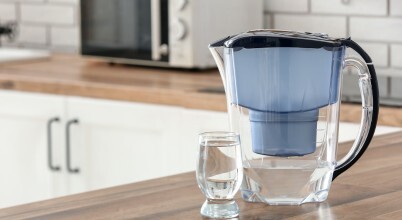
A simple, affordable way to purify water and ice cubes
1. Filtered water jugs: a simple starting point
The easiest way to improve ice taste is to filter the water before it’s frozen. Jug-style water filters reduce chlorine and some contaminants that commonly contribute to unpleasant taste in both drinking water and melted ice.
Using filtered water in ice cube trays means fewer impurities will be frozen into concentrated areas. For many people, this simple benchtop appliance is sufficient to improve water purity and reduce the chances of bad tasting ice.
Best for: Renters, singles, couples, or anyone wanting an affordable, low-commitment solution.
Things to consider: Jugs need refilling and regular filter changes (see Table below), and their capacity can be limiting if you frequently make large batches of ice.
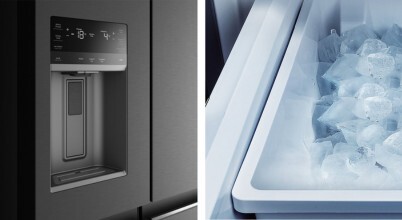
A Westinghouse external filtered water and ice dispenser, and a Hisense internal fridge automatic ice maker storage bin
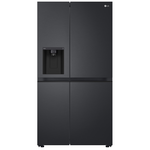
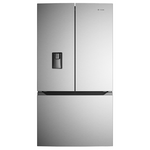
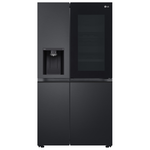
2. Fridges with ice makers and built-in water filtration
Fridges with automatic ice makers and water dispensers filter water just before it’s dispensed or frozen. This reduces chlorine, minerals, and other impurities that affect both water taste and ice quality.
Both plumbed and non-plumbed fridges can deliver good results, as long as filters are replaced as recommended. Some fridges have external ice dispensers on the door, while others have external water dispensers but internally-accessible ice makers.
Best for: Families, busy households and people who use lots of ice and cold water.
Things to consider: As with filter jugs, the filter itself must be regularly replaced. An overdue filter can contribute to stale ice or off flavours rather than preventing them. The filters in non-plumbed fridges work similarly to jug filters and have a similar lifespan before they need to be replaced (see Table below).
Fridges with ice and filtered water



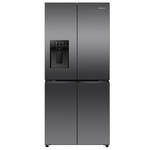
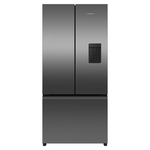
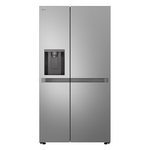
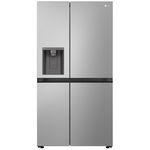
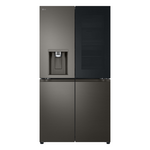
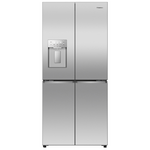
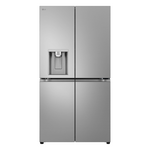
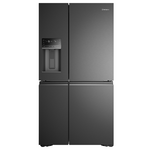
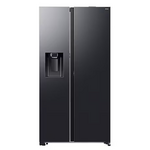
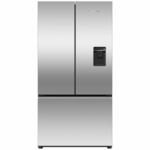
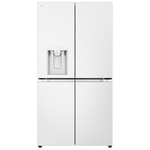
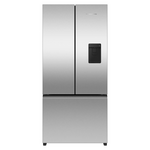


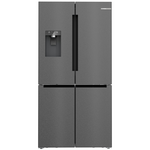
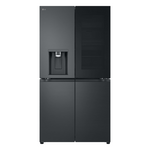
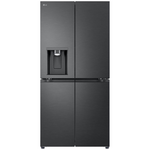

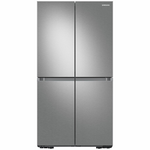
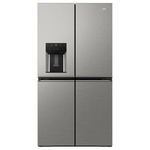
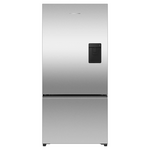
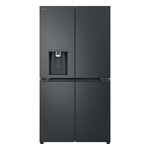

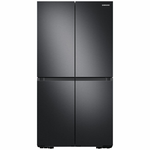
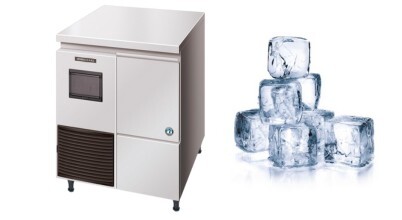
A standalone ice maker by market-leading brand Hoshizaki
3. Standalone ice makers for clearer, cleaner-tasting ice
Standalone ice makers often produce clearer ice than traditional ice cube trays or basic freezer ice makers - and this isn’t just cosmetic.
Many ice machines freeze water in stages or circulate water during the freezing process. As ice gradually forms, most minerals and impurities are pushed out of the crystals and into a wastewater reservoir (which may be able to be manually emptied), rather than being trapped inside the ice. The result is clearer cubes with fewer concentrated pockets of minerals or contaminants, which means fewer flavour spikes when the ice melts.
Some models also include built-in filtration, further improving ice taste. Even without filtration, they tend to produce more consistent ice because of better temperature control and faster freezing cycles.
Best for: Entertainers, households that use a lot of ice, or people that are particularly sensitive to ice taste.
Things to consider: Storage space (under bench or, for compact models, benchtop), energy use, and the need for good-quality input water to get the best results.
Never run out of ice again
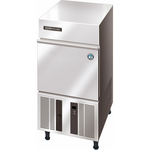
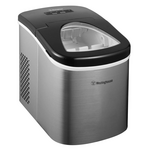
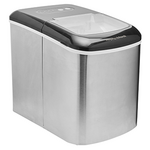
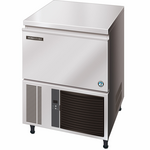
Hoshizaki Cube Ice Maker IM-45CNE-25
Yet to be reviewed
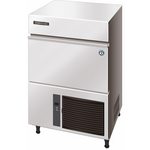
Hoshizaki Cube Ice Maker IM-65NE-25
Yet to be reviewed

Icetro A25B15 Under Counter Ice Maker
Yet to be reviewed
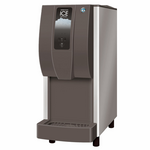
Hoshizaki Ice & Water Dispenser DCM-120KE
Yet to be reviewed
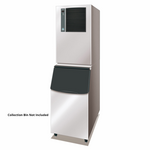
Hoshizaki Cube Ice Maker IM-240ANE-28
Yet to be reviewed
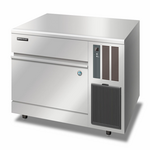
Hoshizaki Cube Ice Maker IM100CNE28
Yet to be reviewed
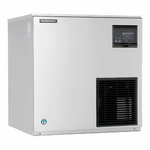
Hoshizaki Flake Ice Maker FM-1000AKE
Yet to be reviewed
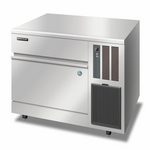
Hoshizaki Cube Ice Maker IM-100CNE-21
Yet to be reviewed
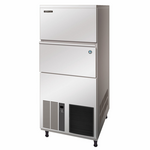
Hoshizaki Cube Ice Maker IM-240NE-21
Yet to be reviewed
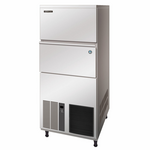
Hoshizaki Cube Ice Maker IM-240NE-28
Yet to be reviewed
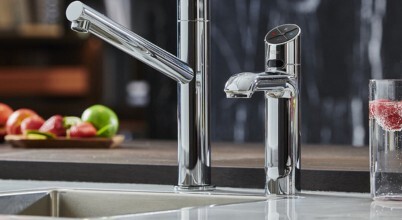
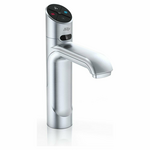
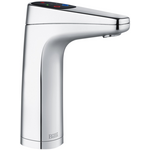
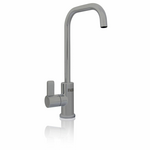
A Zip HydroTap that delivers instant filtered chilled water, ready to make purer ice cubes
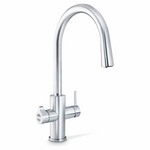
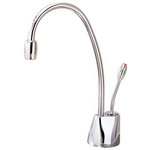
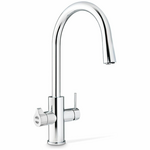
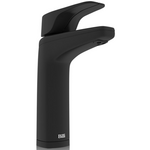
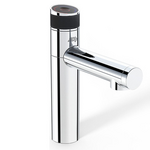
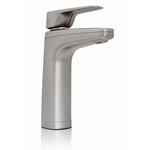
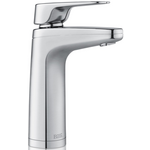
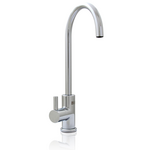
4. Filter taps and premium chilled water systems
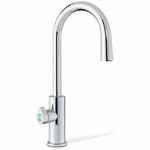
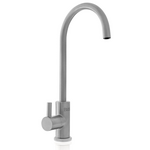
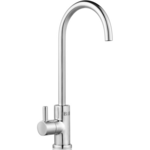
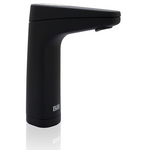
Filter taps and integrated boiling and chilled water systems offer one of the most comprehensive approaches to improving drinking water quality. These systems typically use multi-stage carbon filtration to remove chlorine, sediment, and taste-affecting contaminants.
Because the chilled water is already filtered and served cold, many people find they use less ice overall. When ice is added, it benefits from having been made from higher-quality water, resulting in cleaner-tasting frozen and melted ice.
Best for: Larger households, people sensitive to water taste, and those wanting a long-term solution built into their kitchen.
Things to consider: Higher upfront costs and professional installation, balanced against convenience and consistent water quality.
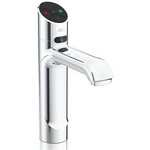
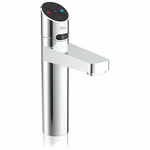
Instant filtered water, on tap

How often do filters need replacing?
Filter lifespan varies depending on the type of appliance and how much water your household uses. Knowing roughly how many litres a filter can process before it needs replacing helps you maintain good-tasting water and ice.
Table: Filter lifespan and replacement intervals
Filter type | Typical filtered volume before replacement | Replacement interval | Notes |
Jug-style filter (e.g., Brita) | 100–150 litres | 4–6 weeks | Some higher-capacity jugs filter up to ~200L; replace on schedule to avoid bacteria growth |
Non-plumbed fridge filter | 150–200 litres | ~4–6 months | Similar in function to jug filters; feeds water and ice in the fridge; convenient but still needs refilling |
Plumbed fridge filter | 200–300 litres | ~6 months | Connected directly to water lines; usually more consistent flow for water and ice; filter must be maintained on schedule |
Filter taps/premium chilled water systems | 1,000–2,000 litres | 12 months (or per manufacturer) | Multi-stage carbon or reverse-osmosis; higher upfront cost, long lifespan; hot, cold, or chilled water options |
Standalone ice maker with built-in filter (e.g., Hoshizaki) | 200–500 litres | Varies by model | Some models include small carbon filters for cleaner ice; replacement schedule depends on usage and manufacturer |
General maintenance and storage tips
Even high-quality filtered water can develop an unpleasant taste if ice is poorly stored or exposed to freezer smells. So, regardless of whether you use a jug filter, fridge filtration, or a premium tap system, these ice handling hygiene tips can make a real difference:
Store ice in a sealed container or ice bin to limit odour absorption
Don’t keep ice for long periods - old ice is more likely to absorb smells over time
Clean ice cube trays and ice bins regularly
Keep freezers clean and well-organised to reduce the chances of food smells transferring to ice
Defrost freezers when needed to maintain stable temperatures.

Finding the right balance for your home
For many Aussie households, improving ice taste doesn’t require a dramatic change. Simple filtration and better storage habits may be enough. If you’re ready to upgrade your old fridge anyway, then you might want to add the convenience of built-in filtration, and if super-pure ice or water are a priority, standalone ice machines or premium filtered taps could be the way to go.
Get your new fridge, filter tap or ice maker FAST with Free, Next Day Delivery*
Appliances Online has a huge selection of fridges with filtered water and ice, premium filter taps and standalone ice makers to help you keep drinks icy cold and tasting great - and with our legendary FREE delivery we can usually get orders to 95% of Australians by the next day (Mon-Fri) if it's in stock.
We even offer a paid Same Day Delivery option in NSW, QLD and VIC metro areas if you order before 12pm on weekdays. Plus, we’ll save you from an unsightly nature strip by taking old fridges away for safe recycling, for free. If you have any questions at all, call our friendly team 24/7 on 1300 000 500, or message us via the chat icon at the bottom of your screen.

Oli is Appliances Online's editor and blogger, with almost two decades of lifestyle-related writing and editing to his name. With a mission to help you buy better and live smarter, his brand loyalty will forever belong to the appliance manufacturer that develops a self-emptying dishwasher.
Latest Articles
LAUNDRY
30 MARCH 2026
The perfect fit for any laundry
Smaller exteriors to fit under benchtops and in small spaces

BBQ & OUTDOOR
25 MARCH 2026
4 cooking techniques that showcase what your BBQ can really do
Your BBQ can do so much more than sizzle snags
KITCHEN
18 MARCH 2026
How to get the most from your oven
Handy settings and other simple tips
KITCHEN
10 MARCH 2026
4 reasons you should never plug your fridge into an extension cord or power board
Fridges run 24/7, so give them their own wall socket!
More Like This
LAUNDRY
30 MARCH 2026
The perfect fit for any laundry
Smaller exteriors to fit under benchtops and in small spaces
BBQ & OUTDOOR
25 MARCH 2026
4 cooking techniques that showcase what your BBQ can really do
Your BBQ can do so much more than sizzle snags
KITCHEN
18 MARCH 2026
How to get the most from your oven
Handy settings and other simple tips