
Your Cart
Your shopping cart is currently empty.
Eco & Save
Reduce your carbon footprint and your utility bills by getting more energy efficient and water-wise.
ECO & SAVE | 4 DECEMBER, 2025
5 MIN READ
Part 1: Reduce food waste and save money - Smart cooking and meal prep
With simple meal planning and the right appliances
Each year, around 7.6 million tonnes of food waste is thrown away in Australia - about 312 kilograms per person. While some of this is unavoidable (like bones, peels, and eggshells), much of it was once perfectly edible food that’s gone to waste. One of the problems with this is how it’s disposed of: a lot of it ends up in landfill, where it produces methane, a powerful greenhouse gas that contributes to climate change.

Good intentions going to waste?
According to the National Food Waste Strategy, households are responsible for around 30% of Australia’s total food waste - the largest share from any single sector. The rest occurs across farming, manufacturing, retail, and hospitality, where some waste is unavoidable due to production and transport losses.
Overall, about two-thirds of Australia’s total food waste is considered avoidable, and while households aren’t the only source, reducing domestic food waste remains one of the most effective ways to save food, save money, and cut greenhouse gas emissions.
Plan meals and shop smart
A big part of reducing household food waste comes down to meal planning. If you can, plan meals that use similar fresh ingredients across the week, so nothing goes to waste. Half a bunch of broccolini could be used in Monday’s stir fry and the other half in Wednesday’s baked dinner; half a container of beef mince could be used to make Tuesday’s burger patties, the other half Thursday’s bolognaise.
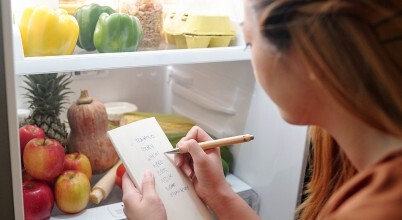
Check, plan and then shop to prevent overbuying groceries that will go to waste
Before doing your food shopping, check what’s already in your fridge and pantry, and make a shopping list to buy only what you need. Sure, the peaches, nectarines, plums and mangoes look tempting, but will you get around to eating them all before they go squishy?
Another benefit of sticking to a meal plan shopping list is that it helps curb impulse purchases, which, more often than not, are highly processed items like half-price chips, lollies and soda. With less of that in your pantry, you might be more likely to snack on fresh produce in your fridge before it goes to waste!

Blitz softening fruit into smoothies to save it from becoming waste
Considered cooking
Once you’re cooking, think about ways to use the whole ingredient - it not only reduces food waste but also stretches your grocery budget.
Vegetable peels and trimmings can be frozen and turned into homemade stock, stale bread can become breadcrumbs or croutons, and overripe fruit works perfectly in smoothies or muffins.
Having the right kitchen appliances can make it easier to cut down on food waste:
Food processors: Puree vegetable stems for use in sauces and blitz stale bread into crumb coatings.
Slow cookers: Perfect for turning vegetables and other ingredients that might otherwise get thrown away into soups, stews or sauces. Their gentle, all-day cooking makes it easy to combine a random mix of leftovers into a nutritious, flavourful meal that can be portioned and frozen.
Juicers and blenders: Rescue fruit that’s a little overripe by turning it into a smoothie.
Food dehydrators or low-temperature ovens: Dry out fruit, herbs or vegetables to create tasty snacks and garnishes.
Microwaves: Revive last night’s dinner leftovers instead of tossing them.
By combining thoughtfully planned ingredients with the right appliances, you can save food and money.
Save soft fruit with a smoothie lifeline
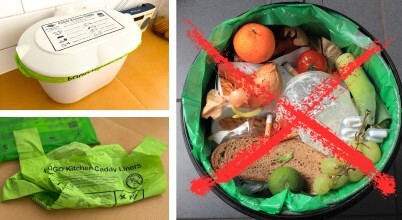
Dispose of food waste in compost rather than regular mixed rubbish bins
Compost, not landfill
Not every food scrap can be used, of course - nobody’s making eggshell and banana peel soup. How you dispose of this waste is very important. Keeping a composting caddy in your kitchen makes it easy to collect unavoidable scraps during food prep.
In more and more areas of Australia, councils are collecting food waste separately to create compost - rather than the methane that’s created when it ends up in landfill. If your council doesn’t yet have a composting scheme, and if it’s practical for your home, look into getting your own composting bin or worm farm.
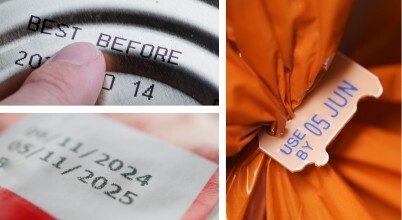
Best Before dates serve a slightly different purpose to Use By dates
Check dates before you bin it
Many people throw food away because of confusion around labels.
Use-by dates are about food safety - don’t eat anything past the date on the packaging.
Best before dates, however, refer to food quality. Food that’s past its best before date is often still safe to eat if it looks and smells fine.
Understanding this subtle but important difference could save your household a surprising amount of food.
Kitchen companions to reduce food waste

Respecting food and where it comes from
Every apple, loaf of bread and litre of milk takes energy, water and transport to reach our homes. When food is wasted, so are those resources. Reducing household waste helps ease pressure on the food supply chain - and complements the work of food rescue organisations such as OzHarvest, which redistributes surplus food from retailers to people in need.
Across Australia, every household can play a part. Reducing wasted food at home might seem minor, but when millions of kitchens make small changes, the collective impact can be significant.

Read Part 2 for tips on extending grocery shelf-life in your fridge, freezer and pantry

Oli is Appliances Online's editor and blogger, with almost two decades of lifestyle-related writing and editing to his name. With a mission to help you buy better and live smarter, his brand loyalty will forever belong to the appliance manufacturer that develops a self-emptying dishwasher.
Latest Articles
KITCHEN
9 APRIL 2026
5 of our top best selling integrated fridges in Australia in 2026
Popular picks in streamlined kitchen cooling
LAUNDRY
30 MARCH 2026
The perfect fit for any laundry
Smaller exteriors to fit under benchtops and in small spaces

BBQ & OUTDOOR
25 MARCH 2026
4 cooking techniques that showcase what your BBQ can really do
Your BBQ can do so much more than sizzle snags
KITCHEN
18 MARCH 2026
How to get the most from your oven
Handy settings and other simple tips
More Like This
KITCHEN
9 APRIL 2026
5 of our top best selling integrated fridges in Australia in 2026
Popular picks in streamlined kitchen cooling
LAUNDRY
30 MARCH 2026
The perfect fit for any laundry
Smaller exteriors to fit under benchtops and in small spaces
BBQ & OUTDOOR
25 MARCH 2026
4 cooking techniques that showcase what your BBQ can really do
Your BBQ can do so much more than sizzle snags