Your Cart
Your shopping cart is currently empty.
BBQ & Outdoor Living
From King of the Grill to sip'n'chill, let's make the most of the great Aussie backyard!
BBQ & OUTDOOR | 25 SEPTEMBER, 2026
9 MIN READ
Indoor vs outdoor bar fridges
Important differences to know about
The short version: Not every bar fridge can handle being left outside - indoor and outdoor models are built differently to suit their environments.
Outdoor (alfresco) fridges are rated for much higher temperatures, built with tougher materials, and often come with heated glass doors to stop condensation - all of which makes them more expensive than indoor models. If you live near the coast, you will need an alfresco bar fridge made from 316 marine-grade stainless steel to cope with salt air.
Indoor fridges run quieter and cheaper, and suit games rooms, home bars, and media rooms where a full-size fridge would feel out of place.
Ventilation matters more than most people think - freestanding models need clearance space to release heat, while front-venting models can sit flush in cabinetry.
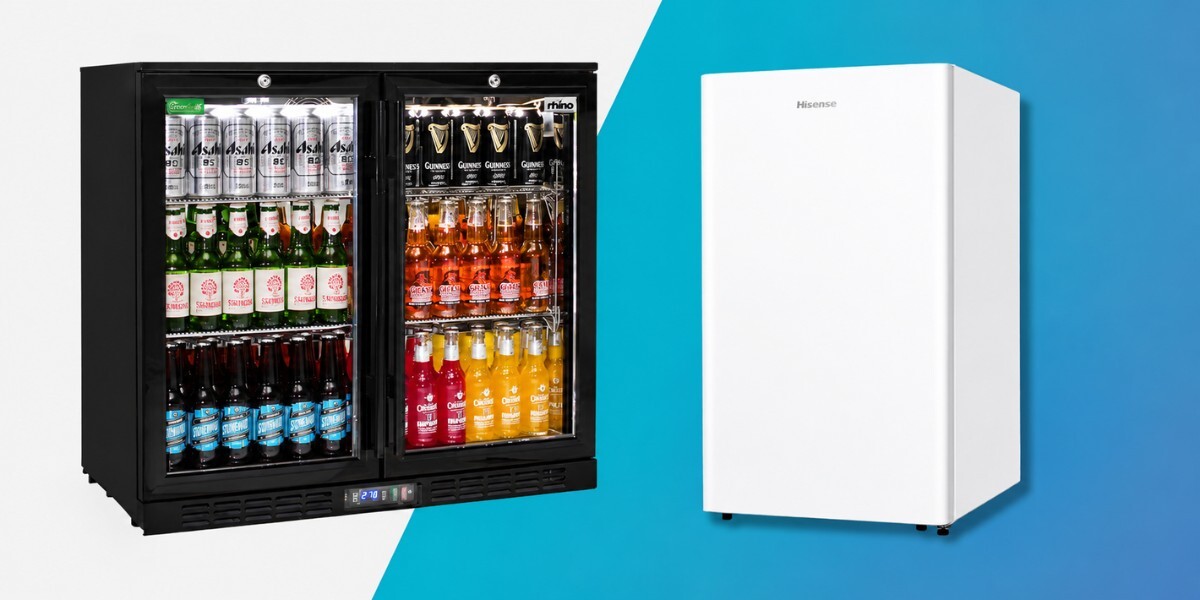
Do you need an outdoor or indoor bar fridge?
If you’ve been fantasising about elevating your summer entertaining with a bar fridge, the first thing to consider is exactly where you plan to place it. It sounds obvious, but people often assume that a standard small kitchen fridge or a cheap mini bar fridge will be fine sitting out on the patio. It won't.
Indoor models just aren't built to cope with outdoor conditions, and while outdoor models can work perfectly well indoors, they are considerably more expensive because of their tougher construction and more complex technology. Here's what actually separates the two, so you end up with the right fridge in the right spot.
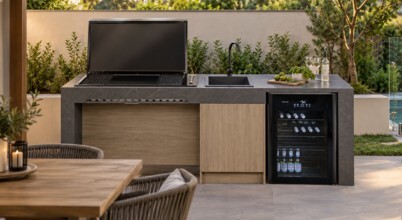
A dedicated outdoor fridge means you're not running inside for drinks mid-BBQ
Why outdoor fridges are built differently
If you've got your BBQ and outdoor furniture sorted but want to elevate your alfresco entertaining this summer, an outdoor drinks fridge could be the final piece of the puzzle. It looks great - especially if you get a model with glass doors - and it's genuinely practical, saving you from running inside to refresh guests’ drinks while you're trying to get a perfect sear on their steaks.
Appliances Online product expert Colin Jones says that if you’re setting up an outdoor kitchen, you shouldn’t be tempted to cut corners and buy anything less than a proper outdoor bar fridge.
“Most indoor fridges are only designed to handle ambient temperatures up to around 32°C. Put one outside and the compressor ends up running non-stop trying to hit its target temperature, which wears it out fast. Alfresco fridges are rated Class T tropical, and are built to keep working in temperatures up to around 43°C. To manage that kind of heat, they run fans continuously to push warm air out and keep things cool inside.”
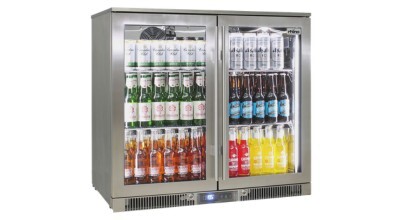
Coastal homes need alfresco bar fridges made with tougher, marine-grade stainless steel to resist salt air corrosion
The materials matter too. If you're near the coast, don't assume standard stainless steel will hold up - it may be tough, but salt air will rust it faster than you might expect.
“You'll want 316 marine-grade stainless steel if you live within a couple of hundred metres of the ocean, and maybe up to a kilometre if you want to play it safe” says Colin; “If you're not near the sea and humidity isn't a big issue, a mid-range outdoor model rated to around 38°C should comfortably keep drinks at 1-2°C without needing to pay extra for marine-grade steel. Either way, keep any alfresco bar fridge out of direct sunlight and protected from the weather, because UV and constant heat will shorten its lifespan”.

Need help deciding? Check out 5 of our top selling outdoor bar fridges
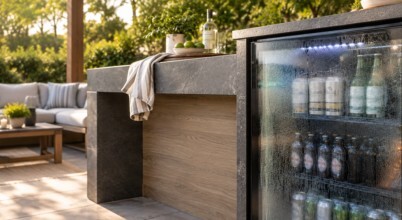
Humidity can fog up unheated glass-fronted bar fridges, so it's worth looking for a model with heated glass doors
Condensation and heated glass doors
Glass doors look great and let you see what's inside, but in humid weather they fog up fast, and you can end up with water pooling underneath. If you live in a high humidity area, it’s a good idea to look for a heated glass door bar fridge. As Colin explains:
"Heated glass is the most effective way to stop condensation forming. It uses a low-voltage electric film of around 50-65 watts, which warms the glass and the surrounding door frame just enough to prevent condensation, which is a common problem otherwise."
The downside to this, of course, is that because it's drawing power constantly, heated glass significantly pushes up running costs, by double or more, and reduces the Energy Star rating, so it's worth factoring into your decision. Outdoor-specific features like this are a big part of why alfresco fridges cost more than indoor ones.
If you choose an alfresco fridge because you like its look and functionality, but plan to put it indoors somewhere with air conditioning, you can usually switch the heated glass off and save on running costs. Just keep in mind that if your local climate is naturally humid, the glass might still fog up a bit without it. If condensation isn't a major issue where you live, Low-E (low emissivity) glass or a solid door will insulate well without using the extra electricity.
Baby it's cold outside... alfresco bar fridges
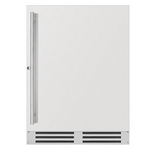
Artusi 127L Dual Zone Outdoor Beverage Chiller with Wooden Shelves AOFDZ127X
Yet to be reviewed
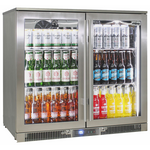
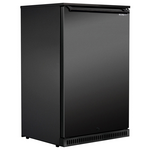
Husky 118L Single Door Outdoor Beverage Fridge Black ALFC1SDBLK840EL
Yet to be reviewed
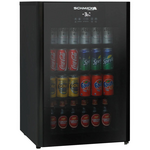
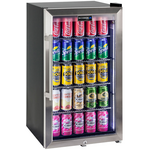
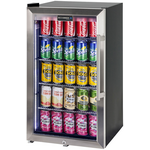
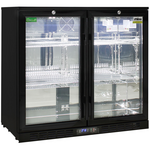
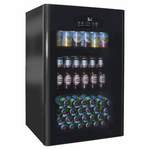
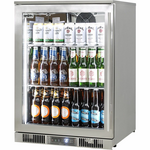
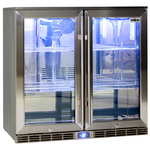
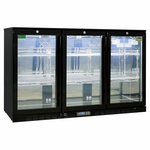
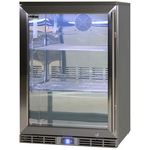
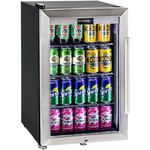

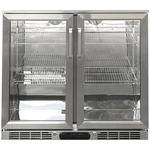
Everdure Neo 208L Beverage Centre Heated Doors Stainless Steel NBC208HFSS
Yet to be reviewed
Everdure Neo 208L Beverage Centre Stainless Steel NBC208SS
Yet to be reviewed
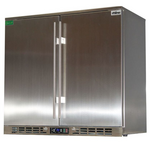
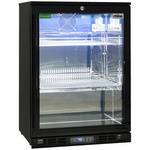
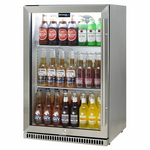
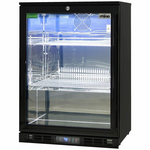
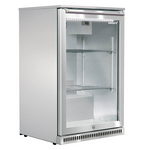
Husky 118L Single Door Outdoor Beverage Fridge Stainless Steel ALFC1840EL
Yet to be reviewed


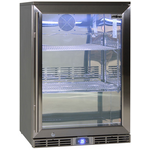
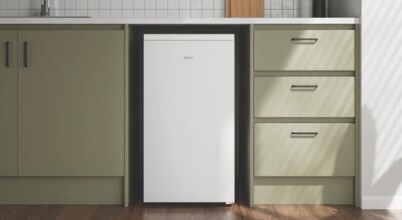
Indoor bar fridges are more affordable than outdoor models due to simpler tech and designs
Indoor bar fridges: less tech for stable indoor conditions
Indoor bar fridges don't need to fight the outdoor summer heat their alfresco counterparts do, so their compressors and fans switch off once they hit the target temperature rather than running constantly. That means they're generally quieter than outdoor models and considerably cheaper to run.
Most people place indoor bar fridges in games rooms, home bars, media rooms or pool houses - social locations where a full-size fridge would be too bulky or out of place. A lot of bar fridges don’t have freezer compartments and use all the internal space for drinks, though Appliances Online does stock a good selection of models with a small freezer section if it’s important for you to have ice cubes readily to hand.
Check out our top 10 trending indoor bar fridges
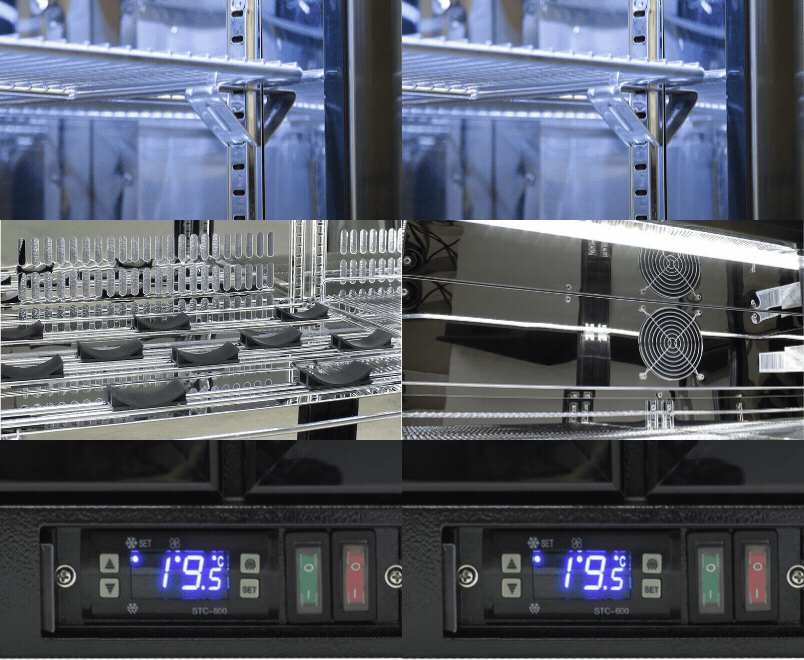
High spec bar fridges often have adjustable shelves, LED lighting, movable bottle holders and digital temperature controls
Features worth looking out for
Regardless of whether you go indoor or outdoor, higher-end fridges tend to come with a few extra features worth looking out for: electronic temperature controls for more precise settings (cheaper models usually stick to a simple mechanical dial), adjustable shelves for different bottle sizes, reversible doors so you can set it up either way, and internal LED lighting. If you've gone for a glass-door model, some also offer colour-changing lighting for extra ambience.
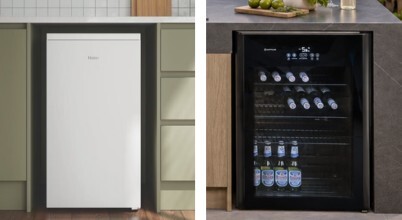
Freestanding bar fridges need clearance on all sides to let heat escape, while front-venting models release warm air through a front grille, so can sit flush into cabinetry.
Ventilation and cabinetry
The number one cause of a bar fridge dying early is poor airflow - and how much airflow it needs depends on how it's ventilated.
Cheaper models are almost always freestanding, releasing heat out the back and sides. If you're tucking one under a bench or into cabinetry, it needs a decent gap of around 100-150mm all around it, or trapped heat will overwork the compressor and shorten its life.
If you want a fridge built flush into cabinetry, you need a front-venting model, whether you're after a single door, 2-door or even 3-door option. These pull air in and push it back out through a grille under the door, so rather than getting trapped behind the unit, the heat goes forward into the room or outdoor entertaining area (remember to check whether it's suited to indoor use only or covered outdoor areas, depending on where you plan to place it). This front ventilation means they only need around 10mm of clearance on the sides and top - much easier to fit into a sleek, built-in look.
It’s worth noting too that built-in models tend to be glass-door display fridges, since showcasing the drinks is often half the appeal.
Indoor vs Outdoor bar fridges comparison
Indoor bar fridge | Outdoor (alfresco) bar fridge | |
Max ambient rating | Class N - up to around 32°C | Class ST (38°C) or Class T (43°C) |
Condensation control | Standard glass, Low-E glass, or solid door | Heated glass recommended for humid areas |
Materials | Standard steel, plastics, or powder-coated metal | 304 or 316 marine-grade stainless steel (for coastal locations) |
Ventilation | 100-150mm clearance if rear-venting freestanding; 10mm if front-venting (front-venting models tend to be glass-door) | Same clearance rules apply - front-venting comes in both indoor and outdoor-rated versions, so check the ambient rating separately |
Noise level | Lower - compressor cycles on and off | Higher - fans run continuously to manage heat |
Elevate your entertaining with a bar fridge

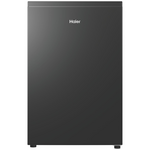
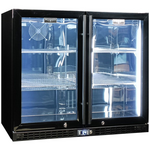
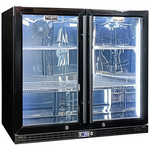

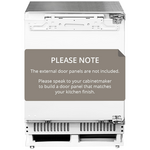
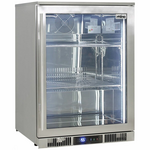
Husky 118L Single Door Outdoor Beverage Fridge Black ALFC1SDBLK840EL
Yet to be reviewed
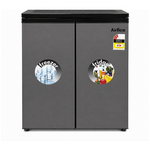
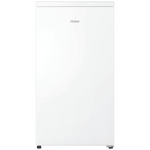


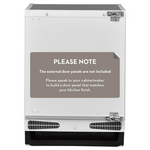
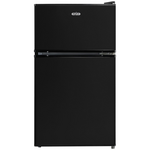
Husky 115L Integrated Bar Fridge White HUS115IN
Yet to be reviewed

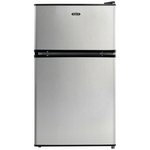
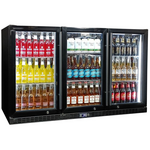
Schmick 399L Under Bench Black Heated Glass Fridge SK386-B-HD
Yet to be reviewed

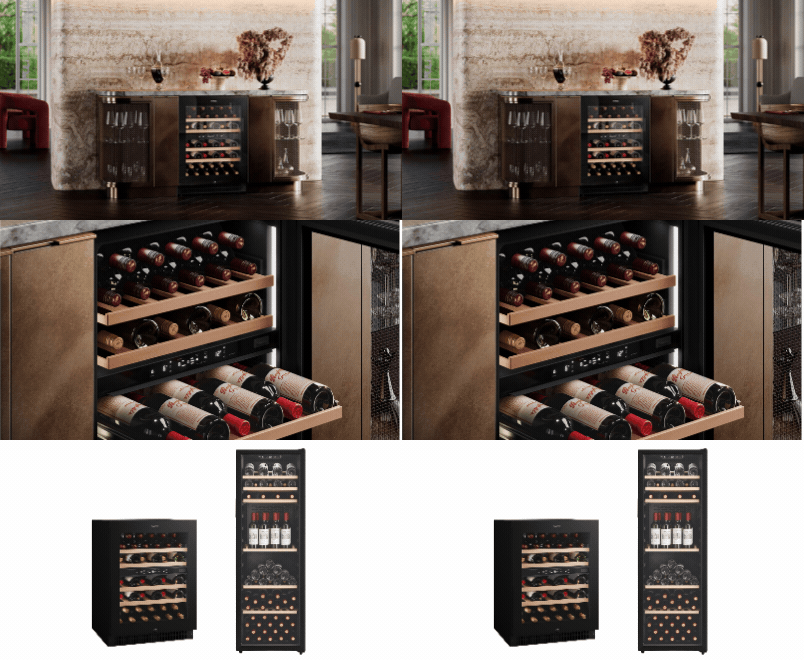
Unlike a bar fridge's icy chill, wine fridges protect your favourite drops with steady 12-18°C temperatures
Bar fridge or wine fridge?
Even though they often look similar and share the same under-bench footprint, bar fridges and wine fridges are built to do very different jobs. A bar fridge is all about getting drinks ice-cold, usually down to around 1-2°C. A wine fridge, on the other hand, works more like a climate-controlled cellar - it holds a steady, warmer temperature (typically at a setting between 6-20°C) to protect wine as it matures. Brands like Schmick build dedicated versions of each, with features like vibration-dampened shelving tailored to what's actually being stored.
The right bar fridge really comes down to where you live and where the fridge is going. An indoor model won't cope well with a hot Aussie summer outside, and an outdoor model indoors is often overkill - louder and pricier than you need. Check the temperature rating, materials and ventilation type of any models you’re interested in to get a fridge that’s best-suited to the space.
Get a new bar fridge FAST with Free, Next Day Delivery*
Appliances Online has a huge selection of indoor, outdoor and upright bar fridges from leading brands like Schmick, Rhino, Husky, Westinghouse, Chiq and Hisense. And with our legendary FREE delivery we can usually get orders to 95% of Australians by the next day (Mon-Fri) if it's in stock. We even offer a paid Same Day Delivery option in NSW, QLD and VIC metro areas if you order before 12pm on weekdays.
Plus, we’ll save you from an unsightly nature strip by taking your old bar fridge away, if you have one, for safe and free recycling. Check out our full range of bar fridges here, and if you have any questions on finding the best bar fridge for your home or outdoor area, call our friendly team 24/7 on 1300 000 500, or message us via the chat icon at the bottom of your screen.

Oli is Appliances Online's editor and blogger, with almost two decades of lifestyle-related writing and editing to his name. With a mission to help you buy better and live smarter, his brand loyalty will forever belong to the appliance manufacturer that develops a self-emptying dishwasher.
Latest Articles
HOME LIVING+
8 OCTOBER 2026
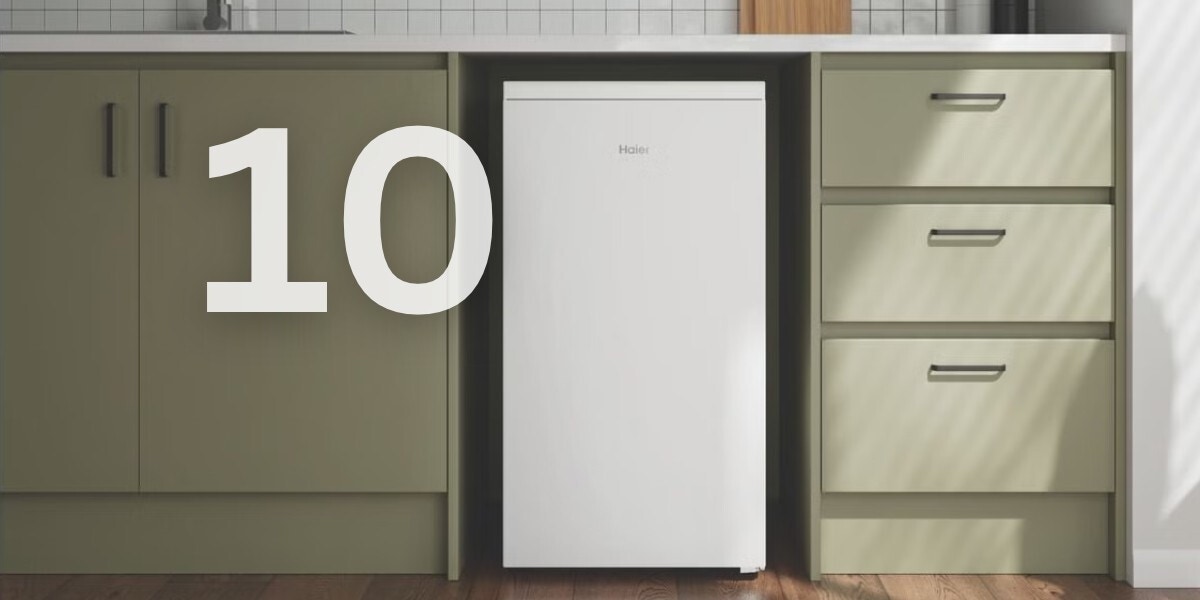
10 of our best selling indoor bar fridges in Australia 2026
Find the perfect compact drinks fridge for your home
BBQ & OUTDOOR
1 OCTOBER 2026
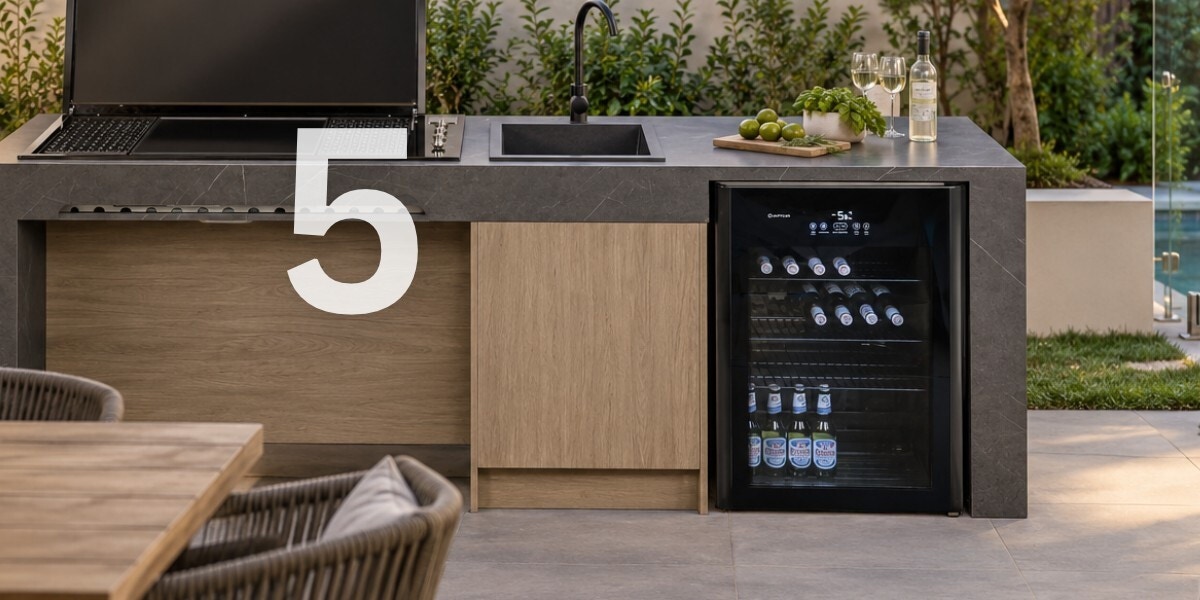
5 of our top best selling outdoor bar fridges in Australia 2026
Alfresco fridges to keep your drinks icy cold this summer.
ECO & SAVE
21 SEPTEMBER 2026
How to choose more eco-friendly appliances for your home
There’s more to it than just energy efficiency
HEATING, COOLING & AIR TREATMENT
16 SEPTEMBER 2026
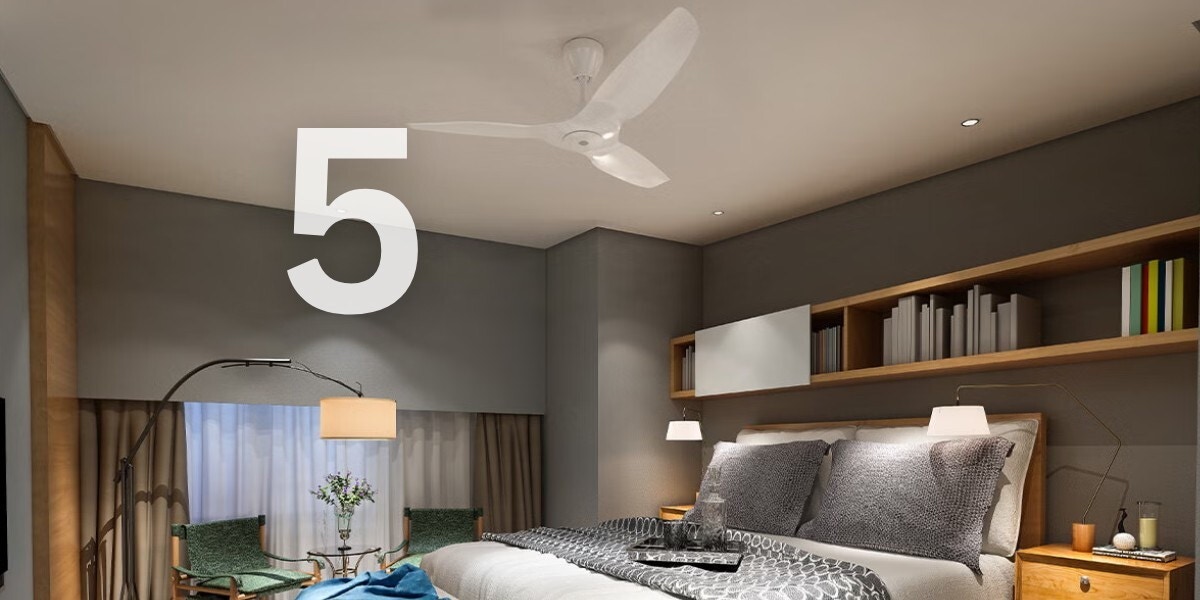
5 of our most popular ceiling fans in Australia 2026
Keeping cool for less is a breeze.
More Like This
HOME LIVING+
8 OCTOBER 2026
10 of our best selling indoor bar fridges in Australia 2026
Find the perfect compact drinks fridge for your home
BBQ & OUTDOOR
1 OCTOBER 2026
5 of our top best selling outdoor bar fridges in Australia 2026
Alfresco fridges to keep your drinks icy cold this summer.
ECO & SAVE
21 SEPTEMBER 2026
How to choose more eco-friendly appliances for your home
There’s more to it than just energy efficiency