
Your Cart
Your shopping cart is currently empty.
Laundry
Keep your wardrobe fresh and dapper with smart ideas for better washing and drying.
LAUNDRY | 15 AUGUST, 2025
6 MIN READ
Can a clothes dryer improve indoor air quality?
Tips to tackle allergies, mould and dust mites
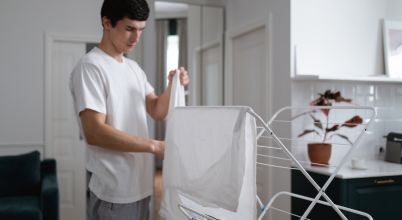
Line drying inside can impact the air quality in your home
If you often line-dry laundry inside when it’s raining or you don’t have access to an outdoor area, you might not have thought about how it could affect indoor air quality.
While air-drying clothes is gentle on fabrics, energy efficient and free, doing it inside can leave clothes smelling stale and add extra moisture to your indoor environment - and that can cause some unwanted side effects.
The problem with drying clothes indoors
An average 8kg load of dry dirty laundry can become 11kg or heavier when washed thanks to the three litres or more of water it retains after the spin cycle. When you hang that wet washing inside, the moisture has to go somewhere. It evaporates into the air, raising humidity levels.

Health effects of higher humidity
Higher humidity can lead to mould and mildew growth, which not only looks horrible but can be bad for your health. Excess moisture is also a favourite of dust mites, tiny creatures that thrive in damp conditions and whose droppings can trigger allergies or worsen asthma.
It’s not just allergies, either. Poor ventilation combined with high humidity can trap indoor air pollution, including pet dander and volatile organic compounds (VOCs) from cleaning products, building materials, and even air fresheners. These contaminants can build up over time, contributing to poor indoor air quality and potential health risks. While none of this is good news if anyone in your home has respiratory issues, human health isn’t the only thing to suffer.
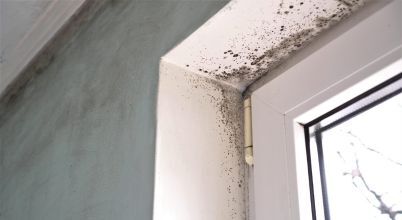
High humidity can cause condensation on walls and windows, leading to mould.
What damp can do to your home and ‘stuff’
Beyond health concerns, ongoing dampness can affect the home itself. Condensation on windows can result in water pooling that causes paint to peel and damages or rots frames or ledges.
Moisture can also penetrate walls, carpets, and timber, leading to long-term structural issues that are never cheap to repair. Soft furnishings, like chairs, sofas, bedding and curtains, may develop musty odours, and clothes, books, or papers can become stained or mildewed.
As with most things, prevention is better than cure, and tackling excess moisture early helps protect both the building and its contents.
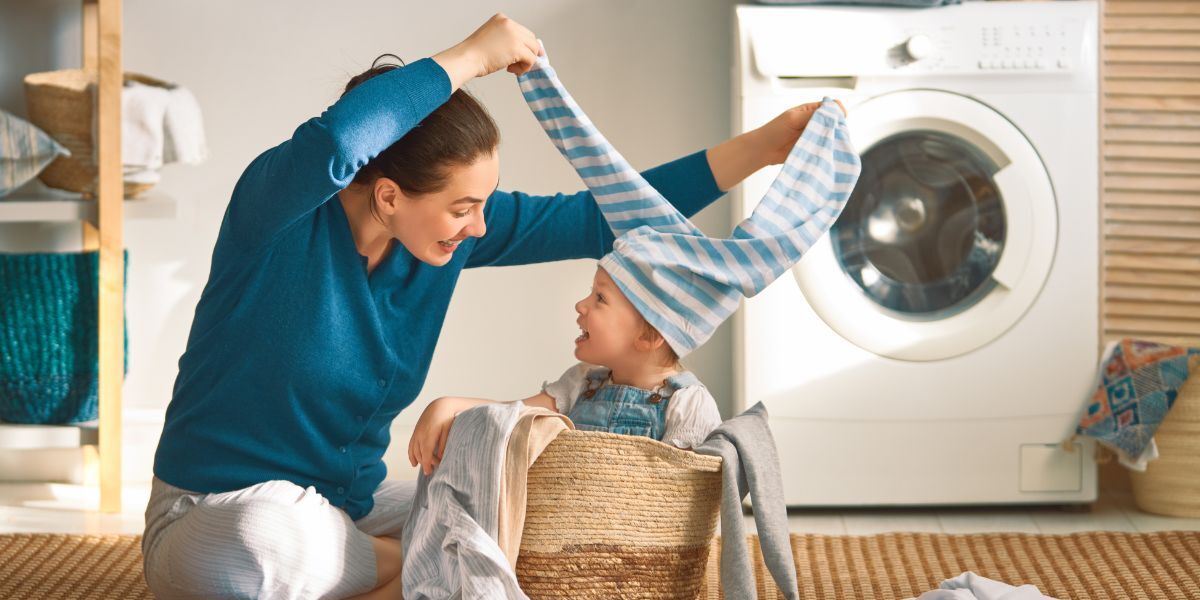
A clothes dryer can save you from adding litres of excess water to your home's air
How a dryer could help
Switching from drying clothes indoors to using a clothes dryer can reduce excess moisture in your home, but not all dryers are created equal.
Vented dryers, for example, expel hot, damp air, so you should ideally have ventilation ducting set up to directly channel the humid air to a vent on the outside of the building. If you don’t have this ventilation set up (and truth is, many of us don’t), the moist air will be pumped straight into your laundry instead, potentially making the humidity in your home worse. Vented dryers once dominated the dryer market, but these days face strong competition from newer drying technologies.
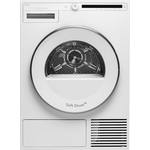
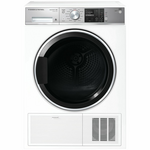
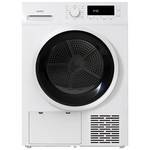
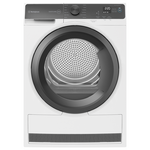
Condenser dryers and heat pump dryers, on the other hand, don’t need external ventilation because they collect moisture from clothes into a water tank or drain it away. Of these, heat pump models will probably be your go-to.
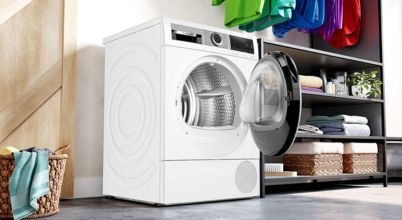
A Bosch heat pump dryer with a 9 Energy Star rating
Why heat pump dryers stand out
In addition to not needing external ventilation set up, heat pump dryers have a few advantages over vented dryers.
For starters, they have significantly cheaper running costs thanks to their lower energy use. For example, using an 8kg heat pump dryer once a week might cost around $40 a year at $0.35/kWh compared to $125 for a similar-size vented dryer. During wet and cold months, the frequency may well increase to several times a week for some households, but conversely, in the summer, many people avoid using their dryers. Heat pump models are also considerably more energy efficient, and cheaper to run, than condenser dryers.
Because they dry clothes at lower temperatures, heat pump dryers are also gentler on fabric than traditional high-temperature vented machines.
They tend to cost more to buy, but the lower running costs can offset that. The main limitation is that they can’t be wall-mounted due to being heavier, although they can be stacked on top of a front load washing machine with a suitable stacking kit.
Check out 10 of the most popular clothes dryers in Australia 2025.
Breathe easy with a heat pump dryer



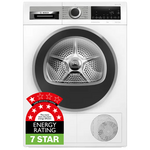
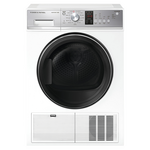
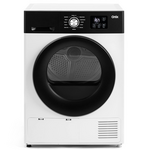
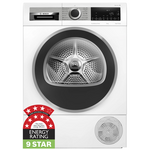

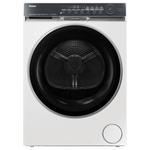
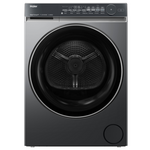
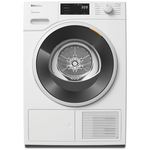

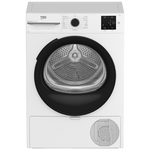
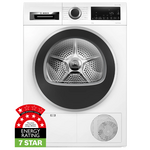
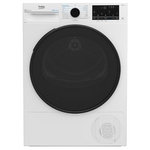
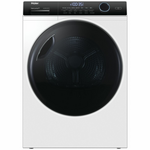
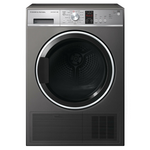

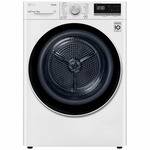
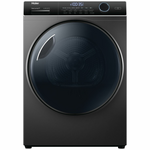
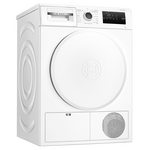



Breathe easy...
Other ways to improve indoor air quality
Dryers can be good for reducing the amount of extra moisture put into the air, but of course there are numerous other sources of humidity that can affect good indoor air quality.
Exhaust fans in bathrooms and laundries help vent moisture before it spreads, and improving airflow by opening windows brings in clean air (as long as outdoor air pollution levels are low). Using a ducted rangehood when cooking also helps remove steam, smoke, and other emissions that can build up in open-plan kitchen and living spaces.
For ongoing filtration, air purifiers with HEPA (high-efficiency particulate air) filters can remove tiny particles and allergens, while dehumidifiers draw excess water out of the air to keep humidity in check. If you have air conditioning, regularly cleaning or replacing air filters helps prevent pollutants from circulating.
Cleaning carpets and upholstered furniture with a vacuum cleaner that has HEPA filters helps capture dust and pet dander before it circulates. Other things, like avoiding tobacco smoke and open fireplaces in your home, and choosing low-VOC cleaning products, will also cut down on sources of pollution. Houseplants can also help by absorbing carbon dioxide and releasing oxygen, and adding a touch of natural freshness to the room.
Get a new dryer fast, with Free, Next Day Delivery*
We deliver heat pump, vented and condenser dryers, as well as dehumidifiers and air purifiers, to 95% of Australia's population, and we can usually get it to you by tomorrow (Mon-Fri), with Appliances Online's legendary FREE delivery. Plus, we offer paid Same Day Delivery in NSW, QLD, and VIC metro areas if you order before 12pm Mon-Fri.
Check out the full range of clothes dryers here, or if you need some pointers on choosing the best type or size for you, read our Laundry Buying Guide, call our friendly team 24/7 on 1300 000 500 or message us via the chat icon at the bottom of your screen.

Oli is Appliances Online's editor and blogger, with almost two decades of lifestyle-related writing and editing to his name. With a mission to help you buy better and live smarter, his brand loyalty will forever belong to the appliance manufacturer that develops a self-emptying dishwasher.
Latest Articles
KITCHEN
18 MARCH 2026
How to get the most from your oven
Handy settings and other simple tips
KITCHEN
10 MARCH 2026
4 reasons you should never plug your fridge into an extension cord or power board
Fridges run 24/7, so give them their own wall socket!

BLOG HOME
9 MARCH 2026
True South: A race to remember
Legacy and spirit in the Sydney to Hobart yacht race
KITCHEN
5 MARCH 2026
5 of our top best selling slow cookers in Australia 2025-26
Make Autumn easy with one-pot, slow-cooked meals.
More Like This
KITCHEN
18 MARCH 2026
How to get the most from your oven
Handy settings and other simple tips
KITCHEN
10 MARCH 2026
4 reasons you should never plug your fridge into an extension cord or power board
Fridges run 24/7, so give them their own wall socket!
BLOG HOME
9 MARCH 2026
True South: A race to remember
Legacy and spirit in the Sydney to Hobart yacht race