
Your Cart
Your shopping cart is currently empty.
Eco & Save
Reduce your carbon footprint and your utility bills by getting more energy efficient and water-wise.
ECO & SAVE | 19 SEPTEMBER, 2025
4 MIN READ
What happens to your old fridge or air conditioner?
Why degassing is vital for safely recycling appliances
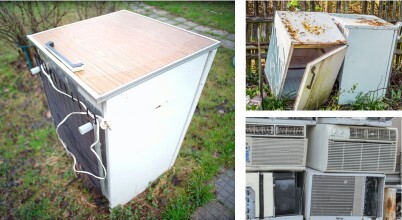
Millions of old fridges and air conditioners are discarded every year in Australia
Australia has more than 62 million fridges and air conditioners in use - and the number keeps climbing. With every new purchase comes an old unit reaching the end of its life.
Each year, around 3.4 million fridges and air conditioners are discarded, containing more than 2,500 tonnes of refrigerants. In homes alone, this adds up to about 150 tonnes from fridges and freezers. Some of these appliances are surprisingly old, with many 25-40 years old still humming away in garages as ‘beer fridges’.
Why older fridges are worse
The age of these old secondary fridge is important. Many appliances from the 1980s and early 1990s used refrigerants such as CFCs and HCFCs - chemicals now phased out because they damage the ozone layer and are extremely potent greenhouse gases.
Not only were these substances more harmful than the refrigerants used in modern fridges, but older models often contained larger amounts of gas. That means a single neglected fridge could cause a significant environmental impact if the refrigerant leaks.
By contrast, newer fridges generally use lower-impact refrigerants, such as hydrofluorocarbons (HFCs) or natural refrigerants like isobutane (R600a), which have a smaller footprint.
“That old beer fridge in the garage could be holding some of the most damaging refrigerants.”
Why refrigerants matter
The trouble is that when appliances are thrown out, only 30-40% of the refrigerant is typically collected. That matters because refrigerants are some of the most potent greenhouse gases, far more damaging than carbon dioxide when released into the atmosphere.
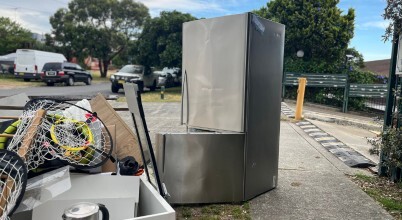
If an old fridge or air conditioner ends up on the nature strip, it can be knocked about before collection, making it even harder to safely recover the gases. Once they leak, the damage is done. That’s why proper recovery and disposal is essential.
“Refrigerants are among the most potent greenhouse gases - safe recovery is essential."
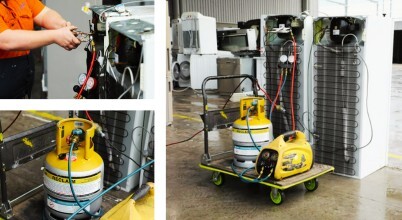
Australian Refrigeration Council (ARC) licensed contractors capture and destroy refrigerants safely
A safer way to recycle
Appliances Online runs a free removal and recycling program to deal with this problem responsibly. When drivers pick up an old appliance, it’s carefully loaded onto the truck and returned to a distribution centre. There, ARC-ticked licensed contractors capture and destroy the refrigerants safely.
This process not only prevents the leakage of harmful ODS (Ozone-Depleting Substances) and GHGs (Greenhouse Gases), but also allows valuable materials to be recovered, recycled and used again for remanufacturing, which reduces waste and contributes to a circular economy.

See how Appliances Online works to improve sustainability
Not only fridges
The program isn’t limited to cooling equipment. Customers can have a wide range of appliances collected and recycled responsibly, including:
Refrigerators and freezers
Air conditioners
Clothes dryers
Hot water systems
Even better, you don’t need to have bought the original appliance from Appliances Online in order for us to take it away for degassing and recycling.
The climate impact
By ensuring refrigerants are captured and destroyed, the program prevents an estimated 600 tonnes of CO2-e every month from entering the atmosphere. To put that into perspective, that’s about the same as taking 143 petrol cars off the road for a year.
“The program prevents 600 tonnes of CO2-e monthly - like removing 143 cars from the road.”
Why it matters for households
For households upgrading to newer, more efficient appliances, knowing that the old one won’t end up leaking harmful gases provides peace of mind. It’s also a practical way to make sure family purchases don’t contribute to long-term environmental damage.
Responsible disposal also helps councils, which often struggle to manage abandoned whitegoods left kerbside. By choosing to have your old fridge or air conditioner collected for recycling at the time your new one is delivered by Appliances Online, the problem is dealt with safely and immediately.

Oli is Appliances Online's editor and blogger, with almost two decades of lifestyle-related writing and editing to his name. With a mission to help you buy better and live smarter, his brand loyalty will forever belong to the appliance manufacturer that develops a self-emptying dishwasher.
Latest Articles
KITCHEN
18 MARCH 2026
How to get the most from your oven
Handy settings and other simple tips
KITCHEN
10 MARCH 2026
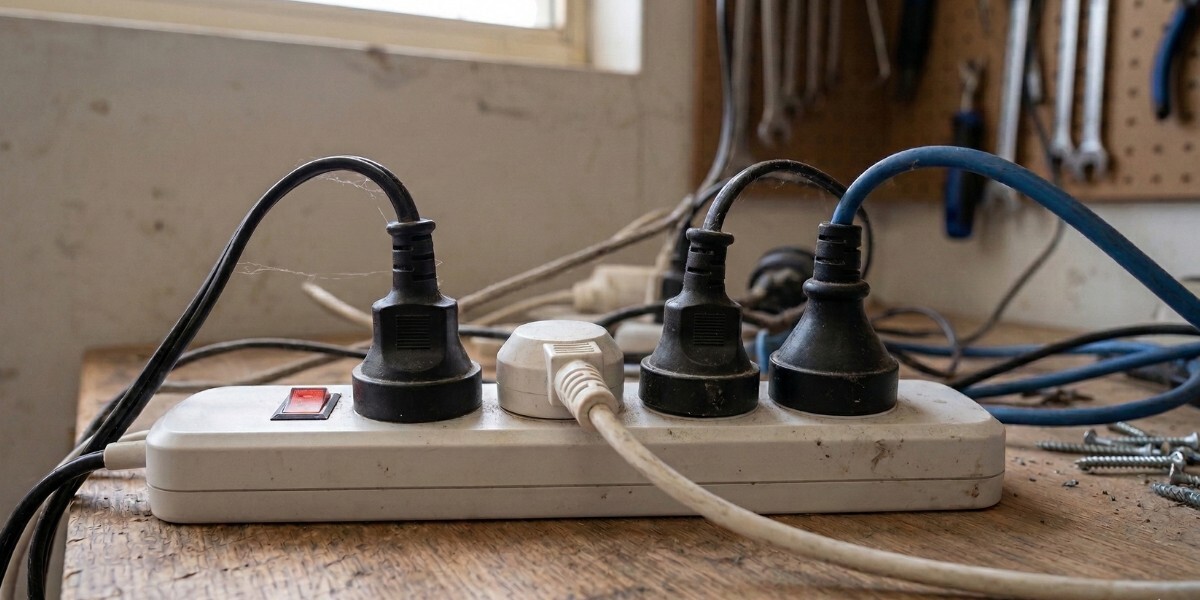
4 reasons you should never plug your fridge into an extension cord or power board
Fridges run 24/7, so give them their own wall socket!

BLOG HOME
9 MARCH 2026
True South: A race to remember
Legacy and spirit in the Sydney to Hobart yacht race
KITCHEN
5 MARCH 2026
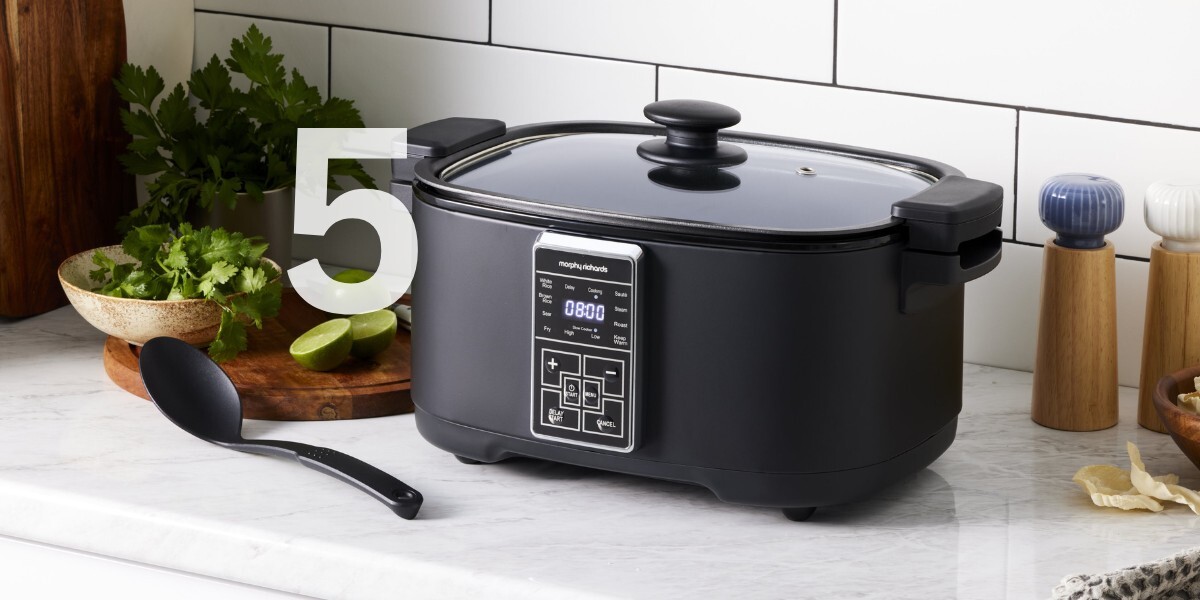
5 of our top best selling slow cookers in Australia 2025-26
Make Autumn easy with one-pot, slow-cooked meals.
More Like This
KITCHEN
18 MARCH 2026
How to get the most from your oven
Handy settings and other simple tips
KITCHEN
10 MARCH 2026
4 reasons you should never plug your fridge into an extension cord or power board
Fridges run 24/7, so give them their own wall socket!
BLOG HOME
9 MARCH 2026
True South: A race to remember
Legacy and spirit in the Sydney to Hobart yacht race