
Your Cart
Your shopping cart is currently empty.
Kitchen
All things cooking, cleaning, chilling and more for the hard-working heart of your home.
KITCHEN | 24 JULY, 2025
4 MIN READ
How to deal with new dishwasher smells or water issues
Quick fixes for common teething problems.
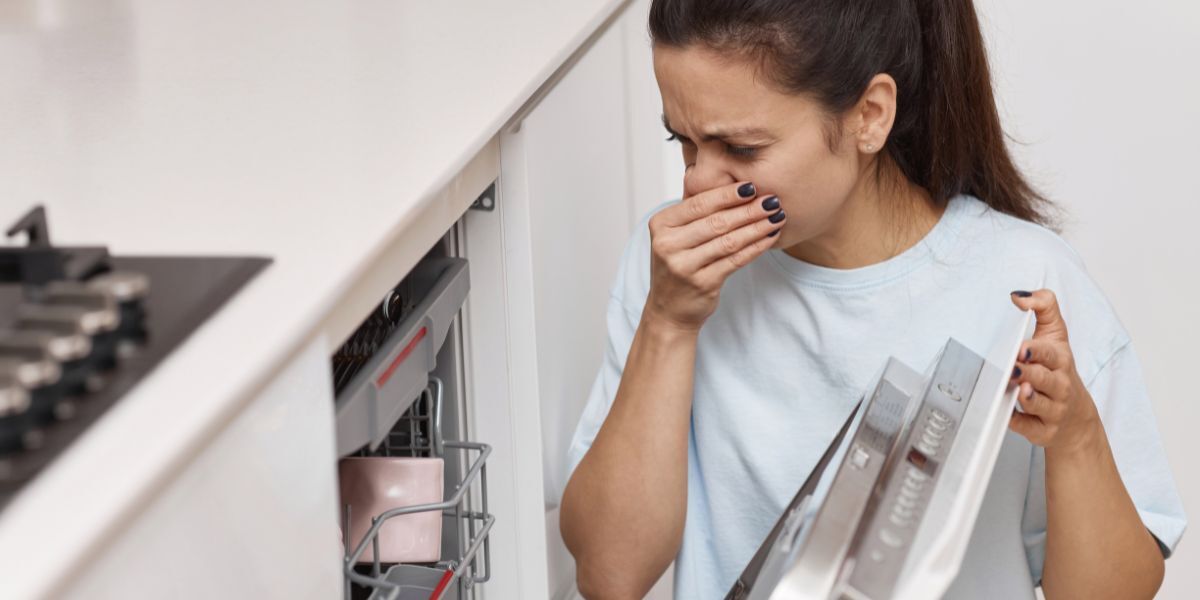
Getting a brand new dishwasher should make life easier, but when you run it for the first time you may get an unwanted surprise: a strange smell, a pool of water under the sink, or an error message. The good news is your dishwasher probably isn’t faulty, and these first-use issues can often be easily sorted out.
Here’s what to look (and listen and sniff) for when you first use your new dishwasher, along with some troubleshooting tips.
#1. A horrible chemical or plastic smell
One of the most common things people notice when they run a new dishwasher for the first time is a strong chemical smell. It can even smell a bit like burning plastic, especially during the drying cycle.
Why it happens:
The smell is usually from manufacturing oils, sealants, or plastic parts heating up for the first time. It’s not nice, but it’s not dangerous.
What to do:
Run the dishwasher empty on a hot wash cycle without any dishes in it. Add a dishwasher cleaner or a cup of white vinegar to help clear out the factory residue. After a few cycles, the smell should disappear.
#2. Leaks under the sink or around the dishwasher
Water leaks are another issue that might become apparent on first use.
Why it happens:
Most leaks during first-time use are linked to installation, not the machine itself. Common causes include loose hoses or an unsealed connection.
What to do:
Check that all hose connections are tight, especially where the drain hose meets the sink pipe. If you’ve had it installed professionally, contact the installer to double-check everything has been set up correctly.
#3. Error beeps or lights
It’s frustrating to start your new dishwasher only to have it beep or flash an error code. But don’t panic, it’s often an easy fix.
Why it happens:
Common causes include the door not being closed properly, the water supply not being turned on, or a kinked hose. Some machines also need a few moments to calibrate when used for the first time.
What to do:
Check that the door is fully latched and the water tap is turned on. Make sure the hoses aren’t bent or squashed behind the machine. Refer to your user manual to decode any flashing lights or beeps.
#4. The dishwasher isn’t draining
If you open the door to find dirty water sitting in the bottom of the dishwasher after the first cycle, it’s probably a setup issue.
Why it happens:
If your dishwasher drain hose is connected to your kitchen sink’s plumbing (which it most likely will be), there may be a small plastic plug inside the pipe that hasn’t been removed. This is sometimes forgotten during installation.
What to do:
Check the connection point under the sink. If the plug is still in place where the hose is attached, remove it, or get the installer or a licensed plumber to do so for you.
#5. Strange noises
It’s normal to hear some water movement and humming during a cycle, but loud clunks or knocking sounds shouldn’t happen.
Why it happens:
If you’ve accidentally left some packaging inside the machine - like a cable tie or foam block - it can stop parts from moving as they should. Another possibility is that you’ve placed a tall item in the rack that may be blocking a spray arm from spinning.
What to do:
Double-check that all packaging has been removed, including anything inside the filter, racks, or spray arms. Give the spray arms a spin by hand before starting the wash to make sure they can move freely.
Get off to a smooth start
To avoid problems when using your new dishwasher for the first time:
Carefully remove all internal packaging, including plastic film, tape, and clips.
Check that hoses are connected securely, and taps are fully turned on.
Run an empty cycle with a cleaner to clear out any factory smells or residue.
Read the manual (yes, really) to get familiar with settings and installation notes.
It’s normal for new dishwashers to need a couple of cycles to get settled in. If something doesn’t seem right after trying the tips above, contact the retailer or installer while your warranty is still fresh.

Oli is Appliances Online's editor and blogger, with almost two decades of lifestyle-related writing and editing to his name. With a mission to help you buy better and live smarter, his brand loyalty will forever belong to the appliance manufacturer that develops a self-emptying dishwasher.
Latest Articles
KITCHEN
18 MARCH 2026
How to get the most from your oven
Handy settings and other simple tips
KITCHEN
10 MARCH 2026
4 reasons you should never plug your fridge into an extension cord or power board
Fridges run 24/7, so give them their own wall socket!

BLOG HOME
9 MARCH 2026
True South: A race to remember
Legacy and spirit in the Sydney to Hobart yacht race
KITCHEN
5 MARCH 2026
5 of our top best selling slow cookers in Australia 2025-26
Make Autumn easy with one-pot, slow-cooked meals.
More Like This
KITCHEN
18 MARCH 2026
How to get the most from your oven
Handy settings and other simple tips
KITCHEN
10 MARCH 2026
4 reasons you should never plug your fridge into an extension cord or power board
Fridges run 24/7, so give them their own wall socket!
BLOG HOME
9 MARCH 2026
True South: A race to remember
Legacy and spirit in the Sydney to Hobart yacht race