
Your Cart
Your shopping cart is currently empty.
Kitchen
All things cooking, cleaning, chilling and more for the hard-working heart of your home.
KITCHEN | 18 MARCH, 2026
9 MIN READ
How to get the most from your oven
Handy settings and other simple tips
Whether you've just had a shiny new oven delivered or you've had the same one for years without really exploring what it can do, chances are you're not using it to its full potential. Most of us stick to the same one or two oven settings out of habit, but a little know-how can make a real difference to your cooking.
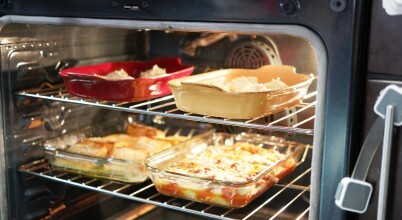
Always set the rack positions before the oven heats up to avoid dangerous shelf Tetris
Before you start cooking
First things first: if it's a brand new oven, switch the oven light on and take a quick look inside to make sure no stickers or bits of packaging have been left behind. It happens!
Next up, preheating your oven before you cook - it’s one of the simplest things you can do to improve your results. Most recipes are written with a fully preheated oven in mind, and skipping this step can throw off your cooking time and lead to patchy outcomes. Patience grasshopper! Your oven likely has an indicator light on the control panel that lights up while it’s heating up: once it switches off (often accompanied by a beep), your oven has reached the right temperature and you're ready to go.
When you start preheating, set the oven racks to the right positions to accommodate the pots, dishes or trays you plan to use. Honestly, having to rearrange cast-iron pots and ceramic bakeware that have been slow cooking for hours is not only awkward but also dangerous. It's much easier to sort out the shelf heights before things heat up.
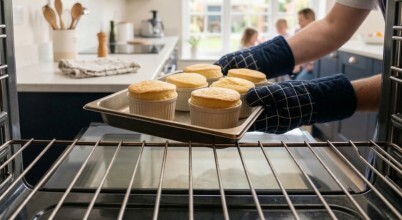
You'll get better results when you use the right settings for the dish you're making
Simple tips for superior results
Modern ovens - aka convection ovens - are fan-forced by default, circulating hot air around the oven cavity for even cooking. This is great for roasting meats, baked goods, and everyday meals, but there are times when switching to a conventional oven setting (no fan) gets better results.
For delicate bakes like soufflés, meringues, or custards, the circulating air from a fan oven can cause uneven browning or a crust forming too early. Switching off the fan gives these dishes a more stable, gentle environment. On the subject of stability, try not to open the oven door once cooking is underway, as every peek lets heat escape.
When it comes to cooking larger cuts of meat, like beef roast, lamb leg or a whole chicken, a meat thermometer is one of the most useful tools you can have. It removes the guesswork and helps you avoid overcooking. Some ovens come with a built-in meat probe that sits in the meat for the entire cook: check if yours has one, as it's a feature many people don't realise they have. Just set your desired internal temperature and the oven's display will track it, beeping and switching off automatically when your meat is ready. Some models even let you monitor it via an app on your phone. If your oven doesn't have a built-in probe, a handheld instant-read thermometer is cheap and easy to use.
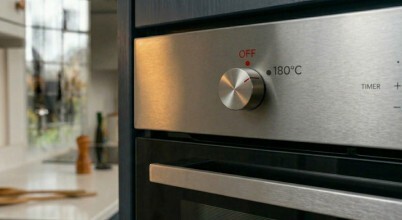
There's more to life than just 180 degrees
Oven functions you're probably not using (but should be)
There’s more to mealtimes than 180°C fan forced. There, I’ve said it. Most of us whack dinner in on the same setting and temperature and call it a day, but modern ovens usually have multiple cooking functions that can easily deliver more impressive results if you just know which one to select.
It’s well worth spending a few minutes getting to know your oven symbols.
Pizza mode combines the fan with intense heat from the bottom heating element, driving heat directly upward for a crispy base. For best results, use a pizza stone or preheat your baking tray in the oven before the pizza goes on - that direct contact with a hot surface is what really makes the difference. As well as pizza, this setting works well for tarts and quiches - anything that benefits from a firm, crispy base rather than a soggy one.
Grill with fan can cook things like sausages, chicken pieces and thick steaks all the way through, with the fan circulating the heat while the grill element crisps and browns from above. For larger or denser dishes, it can be a good finishing step, switched on for the last few minutes to brown and bubble the top of a lasagne or pasta bake that's already cooked through, or to crisp the skin on a roast.
Defrost uses no heat at all - the fan simply circulates room temperature air around the frozen food, thawing it up to 50% faster than leaving it on the benchtop. It's also safer, because food left out at room temperature can enter the bacterial 'danger zone' surprisingly quickly, especially larger items that take longer for the centre to thaw, while the outside continues getting warmer. The oven keeps the process controlled and even.
Reheat functions warm food gently without cooking it further - also handy if you need to keep food warm while other dishes finish cooking. Even without a dedicated setting, reheating in the oven at around 150°C is far better than a microwave for maintaining texture: things that were crispy keep more of that texture rather than going soggy, and meats don't dry out or turn rubbery.
Air fry is now a built-in function on many modern ovens, delivering similar results to a standalone air fryer by using high heat and a powerful fan to crisp food quickly. If your oven has it, it's well worth trying the next time you cook chips, crumbed chicken or other dishes you might otherwise fry in oil.
Slow cook. Ovens don't generally have a dedicated slow-cook setting, but you don't need one - simply setting your oven to a lower temperature of around 120°C-150°C achieves the desired result. It's perfect for casseroles, braises and slide-off-the-bone lamb shoulders that benefit from a long, slow cook. The result is tender, flavourful food that practically looks after itself - a great alternative if you don’t have a separate slow cooker.
If you're not sure what the various symbols on your oven mean, check your manual or search your model online - it only takes a few minutes and could really improve your cooking.

Multifunction Meal Plan!
A great way to get to grips with your oven’s many functions is to plan a week's worth of meals around them - or even easier, use this plan! Reading about what your oven can do is one thing, but actually using those settings is another.
Monday: Fan Forced Roast chicken with root veggies. Rub the chicken with butter, garlic and herbs, surround with chunky carrots, parsnip and potato, and let the fan-forced setting deliver an even, golden result.
Tuesday: Pizza Function Homemade pizza night. Let the kids choose their toppings. The crispy base mode will deliver a firm, golden base with perfectly melted cheese.
Wednesday: Reheat Function Monday's leftover roast chicken, reheated properly so it's still juicy with a little crispiness to the skin, served with a simple veggie fried rice to make it feel like a completely different meal.
Thursday: Grill with Fan Marinated lamb cutlets - thin enough to cook all the way through, flipped halfway for a nicely charred finish on both sides. Serve with grilled capsicum and zucchini done on the same tray.
Friday: Air Fry Crispy skin-on potato wedges and crumbed fish fillets. A quick, easy, and lower-oil Friday fish fry after a long week.
Saturday: Takeaway You've cooked all week - you and your oven have earned the night off!
Sunday: Slow Cook Beef and red wine casserole. Brown diced chuck steak in an oven-proof pan on the cooktop, then move it into the oven at a low temperature 140°C for 3 hours while you get on with your day.
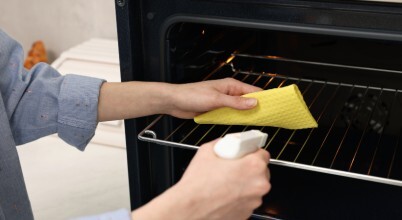
Spills and crumbs are easier to clean up while the oven is still warm, but not hot
Keeping it clean
Try to wipe up spills while the oven is still warm, because once food bakes onto the oven cavity at high temperatures, it's much harder to shift. For stubborn grease, skip the harsh chemical cleaners. A paste of bicarb soda and water left on dirty areas for around 20 minutes can be a good alternative. Wipe away most of the paste with a damp cloth, then spray white vinegar over any remaining residue - the fizzing reaction helps lift the last of the grease, making it easier to wipe clean. It’s a simple option, and you’ve probably already got both ingredients in the pantry.
If your oven has a self-cleaning function, use it every month or so to stay on top of build-up. Pyrolytic cleaning heats the oven cavity to extremely high temperatures of around 500°C that incinerate grease and residue, leaving just a fine ash that’s easy to wipe away. It's one of the most useful features of modern ovens and well worth getting familiar with.
Get kitchen appliances fast, with FREE Next Day Delivery*
We deliver ovens, fridges, dishwashers and the rest of our products, to 95% of Australia’s population with Appliances Online's legendary FREE delivery - and we can usually get it to you by the next day (Mon-Fri). Plus, we offer paid Same Day Delivery in NSW, QLD, and VIC metro areas if you order before 12pm Mon-Fri.
Most electric ovens require a licensed electrician to install them, and you can choose to add this service to your order when buying your oven, or arrange your own installation. Check out the full range of ovens here, or if you need some tips for choosing the best type or size for you, read our Oven Buying Guide, call our friendly team 24/7 on 1300 000 500, or message us via the chat icon at the bottom of your screen.

Oli is Appliances Online's editor and blogger, with almost two decades of lifestyle-related writing and editing to his name. With a mission to help you buy better and live smarter, his brand loyalty will forever belong to the appliance manufacturer that develops a self-emptying dishwasher.
Latest Articles
LAUNDRY
30 MARCH 2026
The perfect fit for any laundry
Smaller exteriors to fit under benchtops and in small spaces

BBQ & OUTDOOR
25 MARCH 2026
4 cooking techniques that showcase what your BBQ can really do
Your BBQ can do so much more than sizzle snags
KITCHEN
10 MARCH 2026
4 reasons you should never plug your fridge into an extension cord or power board
Fridges run 24/7, so give them their own wall socket!

BLOG HOME
9 MARCH 2026
True South: A race to remember
Legacy and spirit in the Sydney to Hobart yacht race
More Like This
LAUNDRY
30 MARCH 2026
The perfect fit for any laundry
Smaller exteriors to fit under benchtops and in small spaces
BBQ & OUTDOOR
25 MARCH 2026
4 cooking techniques that showcase what your BBQ can really do
Your BBQ can do so much more than sizzle snags
KITCHEN
10 MARCH 2026
4 reasons you should never plug your fridge into an extension cord or power board
Fridges run 24/7, so give them their own wall socket!