
Your Cart
Your shopping cart is currently empty.
Eco & Save
Reduce your carbon footprint and your utility bills by getting more energy efficient and water-wise.
ECO & SAVE | 4 DECEMBER, 2025
5 MIN READ
Part 2: Reduce food waste and save money - Smarter storage and sustainability
Extend grocery shelf-life in your fridge, freezer and pantry
If you’ve ever thrown away limp veggies or forgotten leftovers, you’re not alone. The average Australian household bins hundreds of dollars’ worth of fresh produce every year. But with the right food storage habits - and by making the most of your appliances - you can extend the life of your groceries, reduce food waste, and save money.
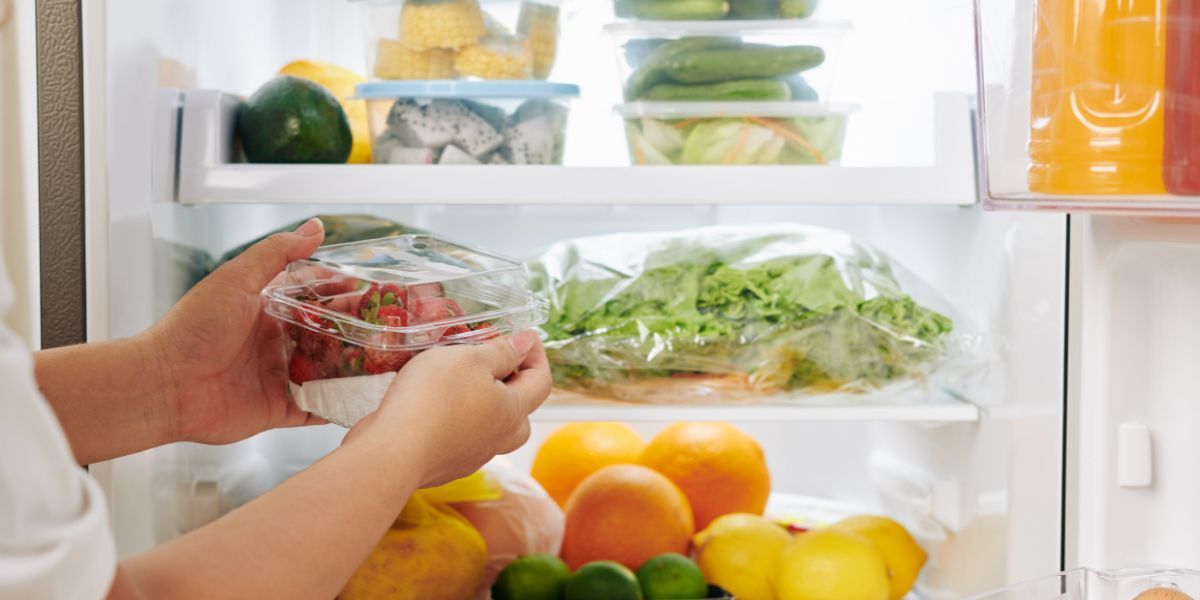
The technology in modern fridges helps keep temperatures consistent, and food fresher for longer
Your fridge, naturally, plays a key role in keeping food fresh. Many modern fridges include features that help keep produce fresher for longer and reduce avoidable food waste. With better temperature management systems than old fridges, they maintain more consistent fresh and frozen climates to better preserve the quality of fresh produce, meat and dairy. Many fridges have alerts, and even app notifications, if a door is left open or a fault occurs that could cause the temperature to rise too high.
Even if your fridge doesn’t have advanced cooling and smart features, regularly checking what’s in it - and moving older items to the front so they get used before they expire - can help reduce food losses.
Fridges: the first line of defence
How you use your fridge can affect its performance:
Keep it set to around 4°C to maintain food safety and slow spoilage
Store fresh produce in the crisper drawer, and use humidity controls if available
Store meat, seafood and dairy in the coldest sections (bottom shelf and back of fridge
Store eggs in their cardboard cartons
Avoid overfilling shelves so air can circulate properly
Use clear containers so you can clearly see what you have, and mystery leftovers don’t get lost at the back.
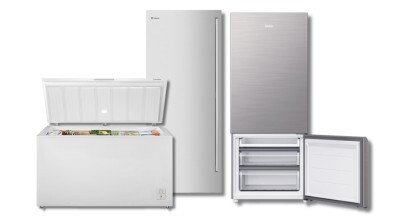
Whether you use a chest, upright or compartment in your fridge, a freezer is a valuable companion in the war on waste
Freezers: press pause on waste
Whether you have a standalone freezer or use the frozen food compartment of your fridge, a good freezer can help reduce food waste by preserving the quality of food for several months or longer.
Always use airtight or vacuum-sealed containers to prevent freezer burn, and label containers with contents and date - especially leftovers - to avoid mystery meals going unused.

Read: How long do different foods keep for in the freezer?
Keep it set to –18°C: at this temperature, bacteria can’t grow, and food quality is maintained.
Leftovers can be frozen for eating at a later date - a gift to your future time-poor self
Vegetables can be blanched and frozen to preserve texture and flavour: blanch by briefly boiling them for 1-3 minutes, immediately cooling in ice water, drying, and freezing.
Excess ripe fruit can be chopped and frozen for use in smoothies or desserts
Bread freezes well, so you can just remove and toast individual slices as you need them
Use airtight or vacuum-sealed containers to prevent freezer burn and preserve texture
Avoid mystery meals that go unused by labelling leftovers with contents and date.
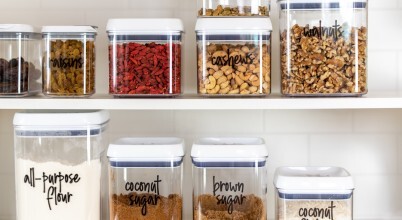
Clear, airtight containers with labels help keep pantry staples both fresh and easy to find
Pantry and benchtop storage
Beyond fresh and frozen food storage, there are a few simple strategies that can help keep all kinds of produce fresher for longer and reduce waste.
Using clear containers or glass jars allows you to see quantities at a glance, so you can plan meals and avoid unnecessary shopping, while regularly rotating groceries by moving older items to the front ensures nothing gets forgotten at the back of the pantry.
Different foods can benefit from specific storage practices:
Store flours, grains, and cereals in airtight containers to keep out moisture and pests.
Keep potatoes and onions separate: the ethylene gas emitted by onions can cause potatoes to sprout and spoil faster.
Store nuts and whole grains in the fridge or freezer if you don’t use them often to slow rancidity from natural oils.
Keep bananas, avocados, and tomatoes on the bench only until ripe, then refrigerate to slow spoilage.
Use a wire or mesh fruit bowl to allow air circulation and prevent trapped moisture that can accelerate spoilage.
Store dried herbs and spices away from heat and sunlight to preserve their flavour.
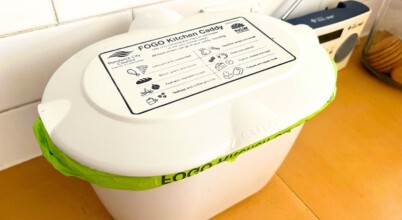
A FOGO kitchen caddy for collecting organic food scraps
Compost what you can’t save
No matter how organised you are, there will always be some food that doesn’t get used. Instead of throwing it in with your other general rubbish, use your council’s organic waste collection service if it has one, or consider composting spoiled fruit and veggies at home.
Compost returns nutrients to the soil, whereas putting it in general rubbish that ends up in landfill can result in it producing the greenhouse gas methane.
Read Part 1 for tips on meal planning and smart cooking to reduce waste and save money

Oli is Appliances Online's editor and blogger, with almost two decades of lifestyle-related writing and editing to his name. With a mission to help you buy better and live smarter, his brand loyalty will forever belong to the appliance manufacturer that develops a self-emptying dishwasher.
Latest Articles

BBQ & OUTDOOR
25 MARCH 2026
4 cooking techniques that showcase what your BBQ can really do
Your BBQ can do so much more than sizzle snags
KITCHEN
18 MARCH 2026
How to get the most from your oven
Handy settings and other simple tips
KITCHEN
10 MARCH 2026
4 reasons you should never plug your fridge into an extension cord or power board
Fridges run 24/7, so give them their own wall socket!

BLOG HOME
9 MARCH 2026
True South: A race to remember
Legacy and spirit in the Sydney to Hobart yacht race
More Like This
BBQ & OUTDOOR
25 MARCH 2026
4 cooking techniques that showcase what your BBQ can really do
Your BBQ can do so much more than sizzle snags
KITCHEN
18 MARCH 2026
How to get the most from your oven
Handy settings and other simple tips
KITCHEN
10 MARCH 2026
4 reasons you should never plug your fridge into an extension cord or power board
Fridges run 24/7, so give them their own wall socket!