
Your Cart
Your shopping cart is currently empty.
Home Living+
Tips and suggestions for happy home living, from furniture and bedding to cleaning and more.
HOME LIVING+ | 11 SEPTEMBER, 2025
7 MIN READ
6 appliances transformed by tech in the past 20 years
2000s vs 2025 home appliances
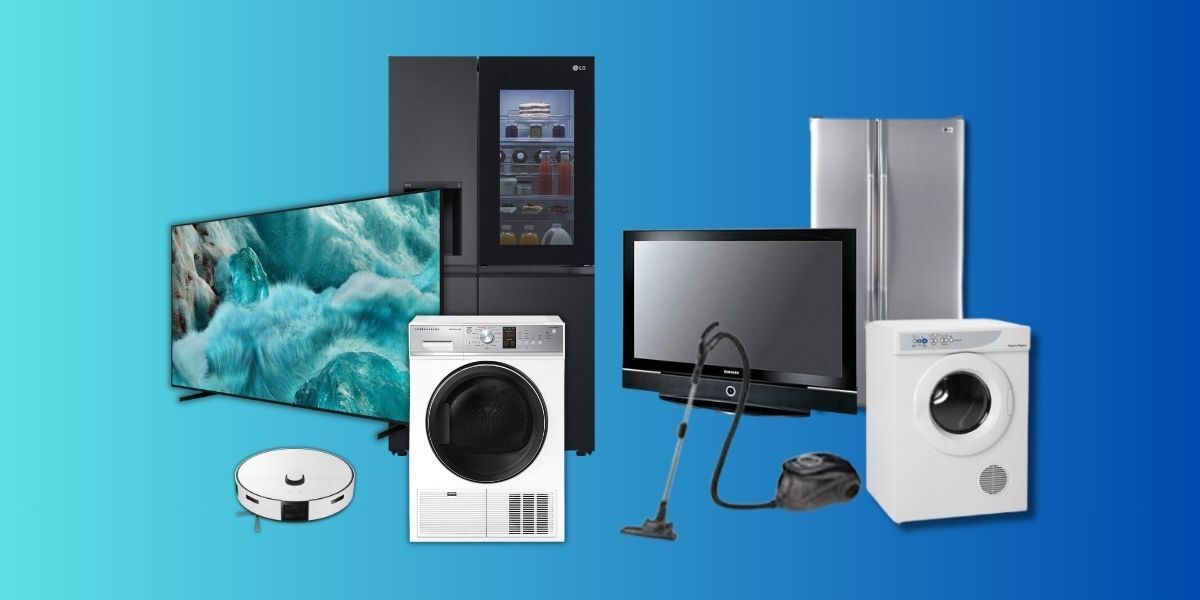
Back in 2005, the year Appliances Online launched, appliances looked a little different - and perhaps more importantly, many of them operated more than a little differently. Vented dryers dominated laundries, plasma TVs felt futuristic, and a ‘smart vacuum’ was one with a button to retract its power cord.
Fast forward to 2025 and technological advances have not just resulted in society-changing new inventions (hello smartphones), but also refined existing ones, making them more reliable, efficient and affordable. In some of Appliances Online’s categories, technology has transformed the product lineup. In others, features that were once exclusive or experimental are now standard.
This is the beauty of the ‘Technology S-curve’ in action - the path that tech innovations tend to follow. As new technology matures and production ramps up to meet mainstream demand, manufacturing costs plummet, turning what were once expensive luxury features into standard inclusions on mid-range and even budget models. This is a win for us all as customers, because we end up getting more bang for our buck. From fridges that keep veggies crisper and washing machines that automatically dose detergent, to TVs with picture quality cinema buffs once only dreamed of, we get to enjoy a continual, gradual improvement in our standards of living.
Here are six everyday appliances that show just how far we’ve come over the past two decades.
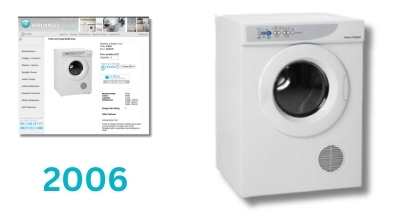
A 4.5kg Fisher & Paykel vented dryer with 2 Energy Stars sold by Appliances Online in 2006
#1. Clothes dryers
In 2005, Australian laundries mostly relied on vented dryers or, for those wanting a tidier option, condenser models. Both did the job of drying clothes quickly but came with drawbacks: hot, humid air in the laundry room unless you had proper ventilation installed, high running costs, and a tendency to shrink or ‘distress’ certain fabrics over time. Energy efficiency wasn’t their strong point, and in many homes, dryers were used sparingly to keep utility bills under control.
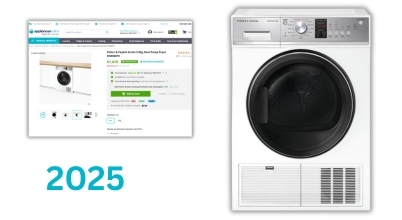
An 8kg Fisher & Paykel heat pump dryer with 7 Energy Stars sold by Appliances Online in 2025
By 2025, the heat pump dryer has become the first choice for many Aussie households. At Appliances Online we stock more than twice as many models of heat pump dryer as we do vented dryer. Instead of blasting clothes with high heat, it recycles warm air through a closed loop, drying fabric more gently and using far less electricity. The difference in running costs is stark, especially for families that use their dryer multiple times a week. While drying cycles are longer, the trade-off in energy savings, fabric care and steam-free laundry rooms makes the wait worthwhile.
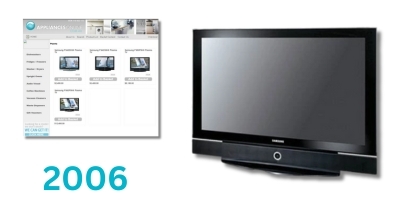
A Samsung 50 inch Plasma TV with HD set-top box (price: $5,150) sold by Appliances Online in 2006
#2. TVs
Two decades ago, as Aussies tuned into Australian Idol or new TV show Spicks and Specks, the proud centrepiece of many living rooms was a 32- or 42-inch plasma or LCD television. In terms of screen resolution, you had a choice between SD (Standard Definition, 414,000 pixels) or the new HD (High Definition, 921,000 pixels). Smart TV functionality wasn’t a thing, with most people plugging in set-top boxes or DVD players for any entertainment fix that wasn’t free-to-air TV.
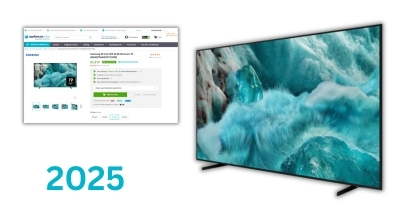
A Samsung 65 inch 4K QLED TV (price approx $1,520) sold by Appliances Online in 2025
Jump to 2025, and even the most affordable TVs often have incredibly detailed 4K resolution (8 million pixels), with built-in apps and streaming platforms ready to go out of the box (as long as you have a subscription). OLED and QLED panels deliver richer colour and deeper contrast, while Mini LED backlights push brightness and detail further still. For gamers, features like 120 Hz refresh rates and variable refresh sync are standard in many mid-range models and gaming TVs.
Screens have also grown dramatically, with 65 and 75 inch TVs becoming standard sizes, while slim bezels and lighter builds have made them easier and safer to wall mount. At 53.5kg, for example, the 2006-era plasma TV pictured here weighed more than three times as much as the larger screen 2025 TV (16.7kg).
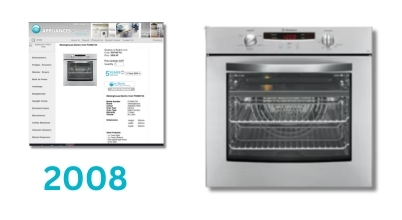
A Westinghouse wall oven sold by Appliances Online in 2008
#3. Ovens
Back in 2005, ovens were functional but often basic. Built in wall ovens were increasingly popular, but Appliances Online initially stocked freestanding stoves only, adding built ins to the range in 2008. Self-cleaning pyrolytic cycles were reserved for high-end brands, and most households relied on elbow grease or catalytic liners to tackle or reduce baked-on mess.
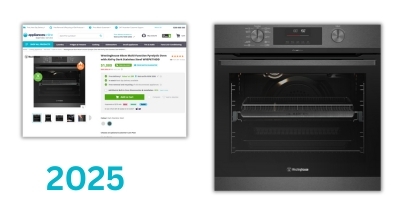
A Westinghouse pyrolytic oven with in-built AirFry sold by Appliances Online in 2025
In 2025, pyrolytic cleaning has filtered down to a lot of mid-price models, meaning many households now have the option of pressing a button and letting the oven burn off grease at extreme temperatures. Depending on how often you use your oven, you can use the self-cleaning function every few weeks or so. Other features like air frying and steam baking functions are also increasingly common in mid-range ovens.
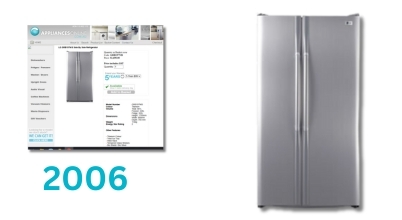
An LG side by side fridge sold by Appliances Online in 2006
#4. Fridges
In 2005, the fridge market was dominated by top-mount and bottom-mount designs, often with single cooling zones. Humidity sliders helped a little with keeping produce fresh, but airflow was basic, and temperature fluctuations were common. Ice and water dispensers were mostly found in large side-by-side models aimed at premium buyers.
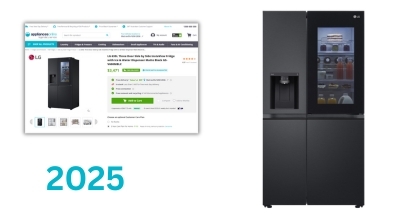
An LG side by side fridge with InstaView and ice and water dispenser sold by Appliances Online in 2025
Today’s fridges are quieter, more efficient, and much smarter in design, with app connectivity a common feature. Inverter compressors and multi-airflow cooling systems keep temperatures consistent, while convertible compartments in some models let you switch between cooling and freezing as needed. Even mid-range fridges now offer large humidity-controlled crispers, better seals, and energy ratings that make them cheaper to run. Ice and water dispensers, once a luxury, are far more commonplace and affordable.
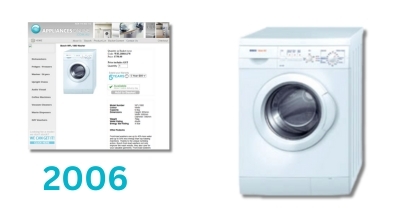
A 6.5kg capacity Bosch front load washing machine sold by Appliances Online in 2006
#5. Washing machines
Australian laundries in 2005 were often home to top loader washers, rather than the front loading style popular in Europe. They were quick and easy to use but heavy on water and sometimes rough on clothing, with large items getting tangled on the central agitator. Despite initial reservations in Australia about front loaders being slower and less user-friendly, they were gaining popularity, and Appliances Online stocked both top and front load designs.
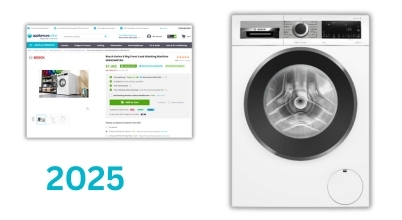
A 9kg capacity Bosch front load washing machine sold by Appliances Online in 2025
In 2025, front loaders dominate the market. They use far less water, and modern models balance efficiency with shorter, more effective cycles. Direct drive motors run quietly and at higher spin speeds, helping clothes dry faster on the line or in the dryer. Extra features such as auto-dosing detergent, steam or hygiene cycles, and Wi-Fi app connectivity have trickled down from premium to mid-range machines, making them accessible to many more households.
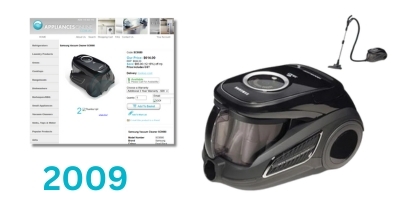
A Samsung barrel vacuum cleaner sold by Appliances Online in 2009
#6. Vacuum cleaners
In 2005, the classic barrel vacuum was the go-to cleaner in most homes, either bagged or early bagless designs. They were effective but bulky, and lugging them around the house could be tiring. Robot vacuums were a novelty, with one or two models on the market, but they were basic, relying on bump-and-run navigation and often leaving large patches of floor untouched. Cordless stick vacuums were still limited by weak suction and very short battery life.
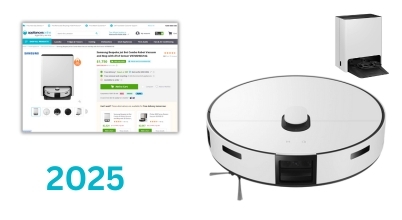
A Samsung robot vacuum and mop combo sold by Appliances Online in 2025
Fast forward to 2025 and many Australians rely on cordless sticks as their main vacuum. They’re light, powerful, and can handle daily crumbs or pet hair without fuss. Battery life has improved to the point where multiple rooms can be cleaned in one go, and replaceable batteries extend their cleaning capacity. Robot vacuums have really hit their stride too, making their way into millions of home. Most now map rooms with precision, avoid obstacles, and empty themselves into docking stations. They increasingly feature self-cleaning mop functionality as well.
Looking back, looking forward
The constant march of time and technology has made once-exclusive appliances and functionality part of everyday life for more Aussies. The next twenty years will no doubt bring plenty more breakthroughs, but if the past two decades are anything to go by, today’s high-end extras may well be tomorrow’s new standard inclusions.

Oli is Appliances Online's editor and blogger, with almost two decades of lifestyle-related writing and editing to his name. With a mission to help you buy better and live smarter, his brand loyalty will forever belong to the appliance manufacturer that develops a self-emptying dishwasher.
Latest Articles

BBQ & OUTDOOR
25 MARCH 2026
4 cooking techniques that showcase what your BBQ can really do
Your BBQ can do so much more than sizzle snags
KITCHEN
18 MARCH 2026
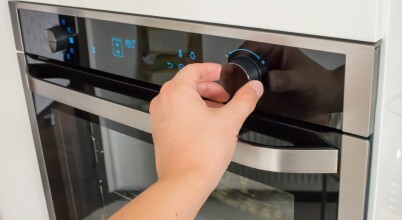
How to get the most from your oven
Handy settings and other simple tips
KITCHEN
10 MARCH 2026
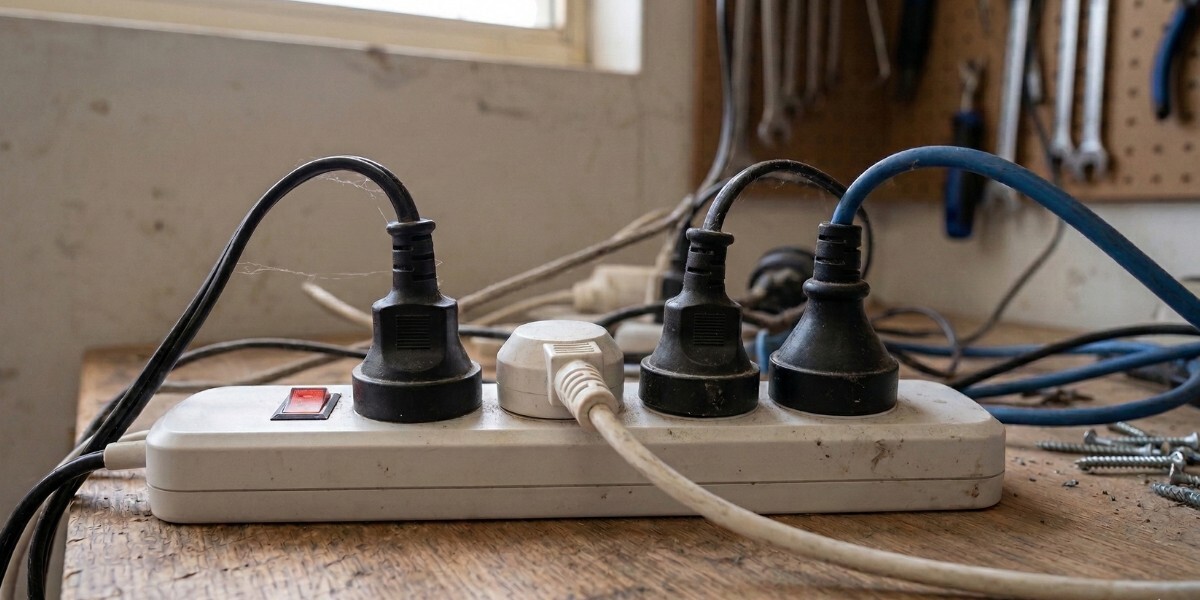
4 reasons you should never plug your fridge into an extension cord or power board
Fridges run 24/7, so give them their own wall socket!

BLOG HOME
9 MARCH 2026
True South: A race to remember
Legacy and spirit in the Sydney to Hobart yacht race
More Like This
BBQ & OUTDOOR
25 MARCH 2026
4 cooking techniques that showcase what your BBQ can really do
Your BBQ can do so much more than sizzle snags
KITCHEN
18 MARCH 2026
How to get the most from your oven
Handy settings and other simple tips
KITCHEN
10 MARCH 2026
4 reasons you should never plug your fridge into an extension cord or power board
Fridges run 24/7, so give them their own wall socket!