
Your Cart
Your shopping cart is currently empty.
Freezers
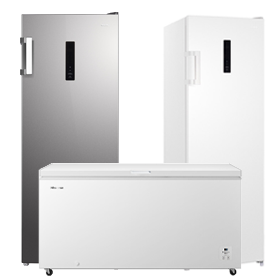
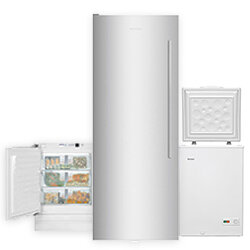
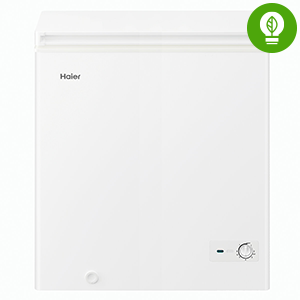
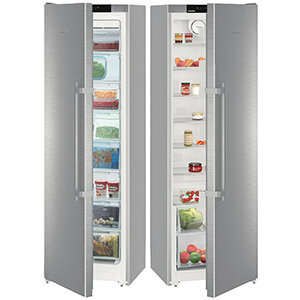
Shop by Brand










Types of Freezers - Which One Is Right for Your Home?
Choosing the right freezer comes down to how much space you have, how often you access frozen food, and what you plan to store. From everyday kitchen use to bulk storage in the garage, different freezer types are designed to suit different lifestyles.
Upright Freezers
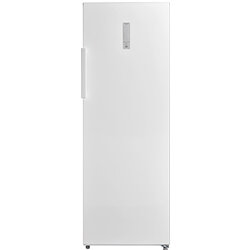
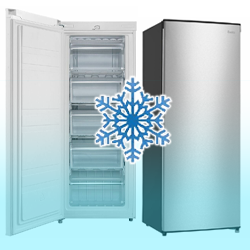
An upright freezer (also known as a vertical freezer or stand up freezer) stores food in a tall, cabinet-style design with shelving and drawers. The door design opens just like a fridge door would, making it easier to organise and access compared to chest freezers where more bending over is required.
Upright Freezer Ideal Use Case | Upright Freezer Advantages |
|---|---|
Homes that would frequently need to use a freezer for quick access and storage. The most popular design used in a kitchen. | Fridge-style opening, easy to organise with shelves and drawers and a space-saving vertical design which takes up less floor space. Great for kitchens and available as matching pigeon pairs. |
Chest Freezers
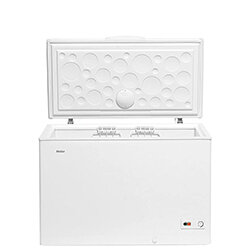
A chest freezer, also known as a deep freezer, is a freestanding freezer designed for long-term food storage. It features a wide, top-opening lid and a spacious interior, making it ideal for storing bulk items like meat, seafood, frozen vegetables, ice cream and pre-prepared meals.
Chest Freezer Ideal Use Case | Chest Freezer Advantages |
|---|---|
Great for bulk buying and long-term freezing and storage. | Deep storage space for large or bulky items. Cold air stays inside when opened, making them highly energy efficient and well suited to storage areas and garages. |
Small Freezers & Bar Freezers
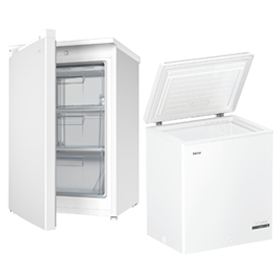
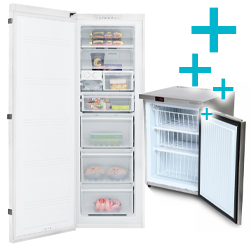
Bar freezers are small and compact, space-saving freezers designed for overflow or recreational storage. Perfect for studio apartments, granny flats or compact living spaces, they offer simple organisation for frozen essentials and pair well with a bar fridge for one or two-person households.
Small Bar Freezer Ideal Use Case | Small Bar Freezer Advantages |
|---|---|
Small spaces that can't fit larger freezers or overflow storage. | Compact, lightweight and very easy to place. A practical solution for apartments, offices, or as a secondary freezer. |
Integrated Freezers
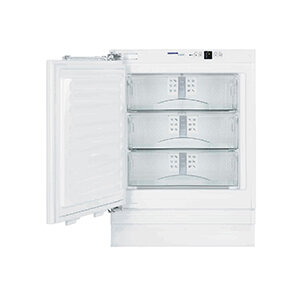
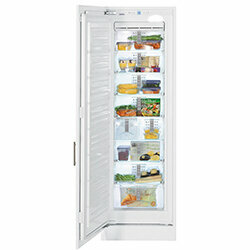
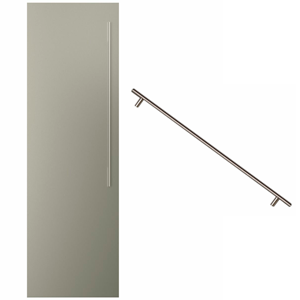
Integrated freezers are made to be installed within kitchen cabinetry, with a custom door panel added by your cabinet maker for a cohesive appearance. They’re a popular choice for kitchen renovations or new builds, offering a sleek, built-in look throughout the home.
Integrated Freezers Ideal For Use Case | Integrated Freezers Advantages |
|---|---|
Built-in kitchen designs, newer renovations and kitchen builds. | Seamlessly blends into cabinetry for a clean look, with quick access to everyday frozen foods. |
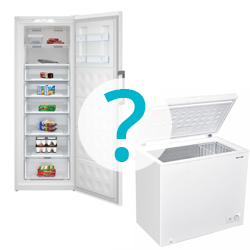
Upright vs Chest Freezers - What’s the Difference?
Both upright and chest freezers are designed to keep food frozen safely, but the way they store and organise items can suit very different homes and would usually determine which would be better for your own household.
Upright freezers share the same design as a fridge and open in the same way, usually including shelves or drawers that make it easier to organise frozen food and quickly grab items you use often. Their vertical design takes up less floor space, which makes them a practical choice for kitchens, laundries, or homes where accessibility and organisation are a priority.
Chest freezers open from the top and provide a large, open storage cavity that’s ideal for bulk buying or storing larger items. Because cold air stays inside when the lid is opened, chest freezers are generally more energy efficient and work well in garages or storage areas where space allows and frequent access isn’t as important.
If you’re deciding between the two, upright freezers suit more frequent everyday use and easy organisation, while chest freezers are better for long-term storage and maximising capacity.
What Size Freezer Do You Need?
The right freezer size depends on how many people you’re shopping for, how often you buy frozen food and whether the freezer is for everyday use or long-term storage. Choosing a size that suits your needs helps you avoid wasted space while keeping running costs down.
For smaller households or occasional use, compact small freezers & bar freezers are a recommended options. These are well suited to apartments, small kitchens or as a backup freezer when your fridge freezer isn’t quite enough.
Medium-sized freezers (around 150 - 350 litres) are more suited for families, especially those who regularly buy and store frozen bulky meats and groceries like ice creams and veggies or those who like to freeze meal preps, to have for lunches and dinners. They offer enough capacity for weekly or fortnightly shopping without taking up excessive space.
If you buy in bulk, store large items and want long-term frozen storage, larger freezers (350+ litres) are right up your alley. These big units are commonly used in garages or storage areas and are the most popular in chest freezer designs, which maximise usable capacity.
As a general rule, it’s best to choose a freezer that matches your typical usage. A freezer that’s too large for what you need can waste energy, while one that’s too small may fill up quickly and limit how much you can store.
Freezer Energy Efficiency & Frost-Free Freezers Explained
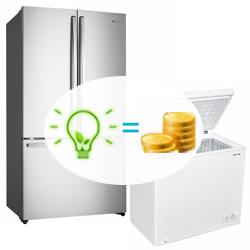
Energy efficiency should really be a deciding factor for you when choosing a freezer, especially since it runs all day, every day. Thankfully modern freezers are designed with keep running costs relatively low in mind and is especially important when you choose the right type and size for your needs.
Chest freezers are generally more energy efficient because when the lid is opened, the cold air tends to stay enclosed inside. This makes them better for long-term storage and bulk freezing, particularly in garages or storage areas where the freezer isn’t opened frequently. Perfect for those massive tubs of ice cream & boxes of meats from the butcher, come holiday season.
Upright freezers are more designed for convenience and more frequent use, where many newer models offer strong energy ratings while making it easier to organise and access food. Choosing an upright freezer that suits your household size helps avoid wasted energy from unused space.
You’ll also see frost-free freezers, which automatically prevent ice build-up. Frost Free models mean you don’t have to defrost your freezer every couple of months, which involves emptying the freezer entirely and draining the water, leaving you with constant frozen goods, plenty of usable space (not taken up by extra frost) and less chance of wasting food.
When comparing freezers of a similar size and type, checking the energy rating label can help you understand ongoing running costs and choose a model that balances efficiency with everyday convenience, such as our range of most efficient freezers.
Where Can You Put a Freezer?
Freezers are alot more flexible than what people may expect, but getting the best performance out of them can simply come down to where you place them in the home. The best place for your freezer will depend on its size, design and how often you plan to use it.
Kitchens and laundries are common spaces for upright and underbench freezers, since they offer the most convenient daily access to your frozen goods. These spaces work well when you know you plan on using the freezer quite frequently.
Garages and storage areas are better for chest freezers and larger upright models, especially if you use your freezer mainly for bulk storage and don’t plan on opening it frequently. Many freezers are designed to handle garage conditions, but to be safe, check the manufacturers manual / recommendations - if a freezer isn’t designed to go into certain spaces / environments, manufacturers will normally make note of it for you to be aware of - this is the same for spacing around the freezer, for ventilation.
For apartments, small homes or offices, compact and bar freezers are usually the go-to options. Their smaller size and footprint makes them easy to place under benches or in tight spaces without disrupting your layout.
Wherever you plan to place your freezer, allowing adequate ventilation around the appliance helps maintain efficient performance and prolong its lifespan.

Need a helping hand?
Freezers are a great way to store a supply of excess food that you cannot fit in your refrigerator, and with their robust design, storing bulky items like meat and frozen veggies is easy. Our freezer buying guide outlines the important considerations you will need to make the right choice.
Freezers Promotions



What temperature should a freezer be?
A freezer should be set to -18°C (0°F) to keep food safely frozen while maintaining quality and freshness.. Learn more in our Freezer Buying Guide.
How long can you keep meat in the freezer?
Most meats can be stored in a freezer at -18°C for up to 6 - 12 months, depending on the cut and packaging method. Vacuum sealing extends shelf life.
How cold should a freezer be for safe food storage?
A freezer should be kept at or below -18°C (0°F) to prevent bacterial growth and preserve food quality.
How long does bread last in the freezer?
Bread can last up to 3 months in the freezer when properly sealed. For best results and prevent freezer burn, slice before freezing and wrap the bread tightly in plastic wrap and then place it in an airtight freezer bag.
How long does chicken last in the freezer?
Whole raw chicken can last up to 1 year in the freezer, while parts like breasts or thighs last 9 months. Cooked chicken keeps for around 4 months.
What is the best portable fridge freezer to buy?
Top choices include models from Haier, Beko, Westinghouse, Hisense and CHiQ. Consider your usage - caravanning, camping & outdoors or backup storage. Browse our Compact & Portable Freezers.
What’s the difference between an upright and chest freezer?
Upright freezers are vertical in design, shaped like a fridge and a door that opens like one, offering easy access with shelves or drawers for easier organisation and frequent use. Chest freezers are chest shaped freezers, with a lid on top and are ideal for bulk long term storage and have great energy efficient options.
Which freezers are best for small spaces?
Compact & Portable Freezers and Bar Freezers are great for smaller spaces, like garages or small kitchens. Check out models from Hisense, CHiQ, and Westinghouse.
Are frost-free freezers better than manual defrost models?
Frost-free models automatically prevent ice build-up and require less maintenance, making them ideal for busy households.
What is an integrated freezer?
Integrated freezers are built into your kitchen cabinetry for a seamless look. They're a popular choice in modern or minimalist kitchens.
Is Hisense a good freezer brand?
Yes, Hisense offers reliable and affordable freezers with modern features like fast freeze, LED lighting, and energy efficiency. Check out our Hisense Freezers.
Is CHiQ a good freezer brand?
CHiQ freezers are praised for affordability, efficient performance, and stylish design. Ideal for budget-conscious households. Explore our range of CHiQ Freezers now.
Which freezer brands offer energy-efficient models?
Look for models from Esatto, Hisense, Liebherr, Miele, Napoleon, Seiki and Westinghouse for high energy ratings. Energy star ratings are listed on each product page.
Where can I buy a mini freezer?
You can shop mini freezers online at Appliances Online with free next-day delivery and free connection available in most metro areas.
How much does a mini fridge or freezer cost?
Prices vary from $149 to $699 depending on size, features, and brand. CHiQ and Hisense offer great value for money.
Where to buy a freezer with next-day delivery?
Appliances Online offers free next-day delivery and free connection on a wide range of freezers, including upright, chest, and portable models.
Can I pair a freezer with a fridge as a pigeon pair?
Yes, many brands like Westinghouse, Electrolux and Haier offer matching fridge and freezer pigeon pairs for consistent design and performance.
What size freezer do I need?
Small households may need 100 - 200L, while larger families might need 300L+. Use our Freezer Buying make help you find the right size for you.
Addressing the challenge of finding quality appliances efficiently since 2005, Appliances Online offers over 8,000 appliances and home essentials from the largest and best brands in the world. Ensuring a hassle-free shopping experience every time, our user-friendly website simplifies the comparison and selection process.
Our legendary service at Appliances Online has earned us recognition from CHOICE, Canstar Blue and Finder. In fact, our Sydney-based customer service team is available 24/7 to answer any questions you may have about 'Air Fryer Ninja', 'Weight Watchers Bathroom Scales' or 'Engel 40l Fridge'.
You can shop conveniently with us since we offer a range of payment methods to suit your needs, including buy now, pay later options like Zip, Klarna and Afterpay. Experience how Appliances Online can transform your shopping experience and leave your search for 'fridge', 'smart tv' and 'bosch dishwasher' - order today and enjoy Free Next Day Delivery!