Your Cart
Your shopping cart is currently empty.
Most Efficient Products
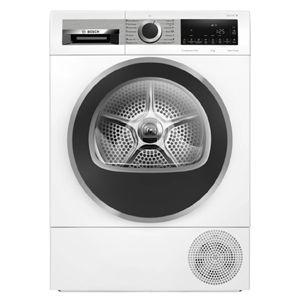
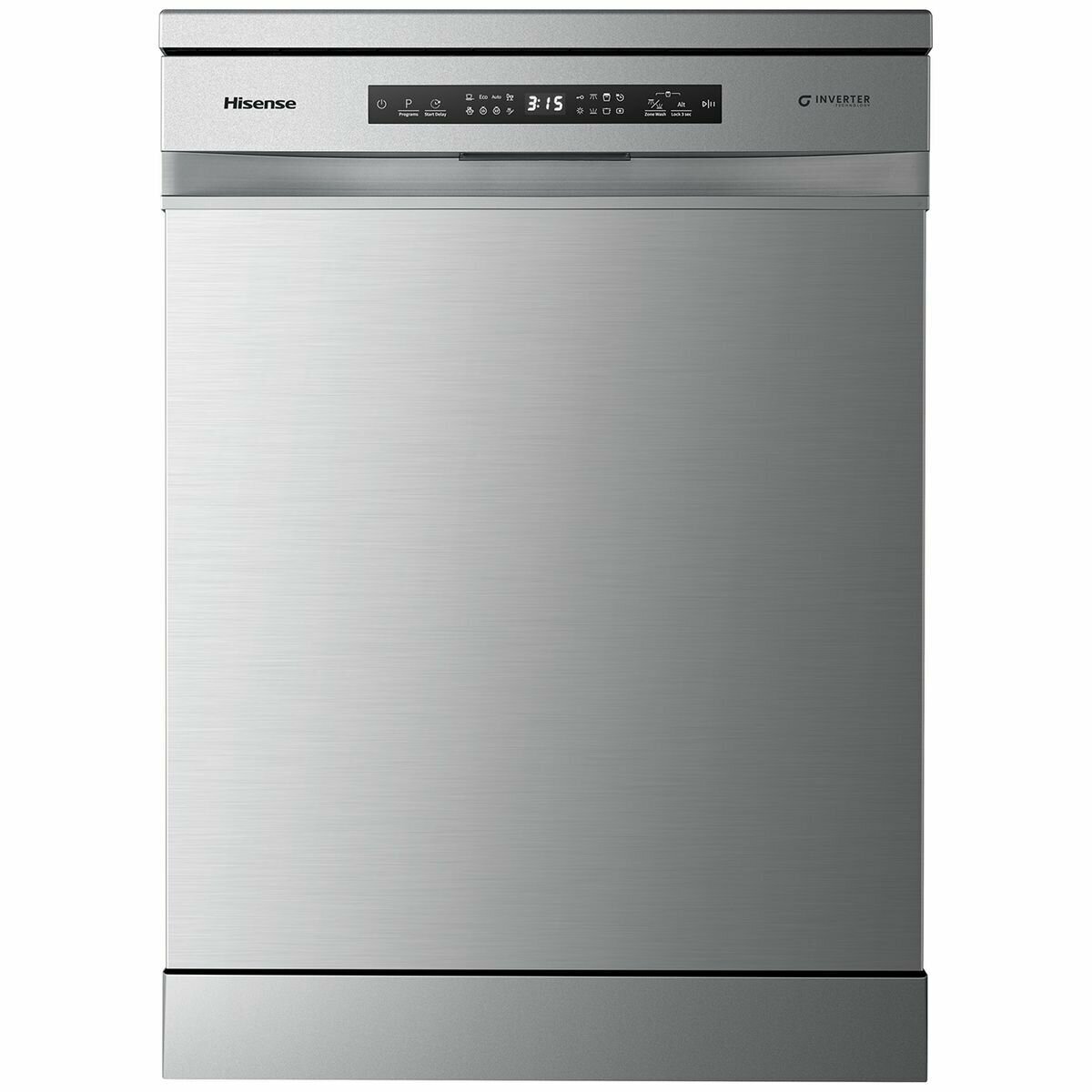
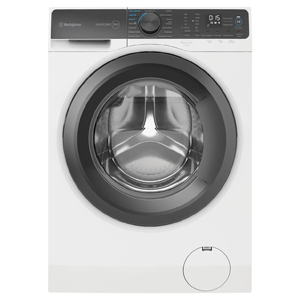
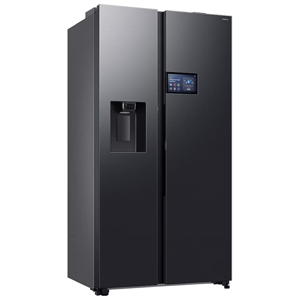






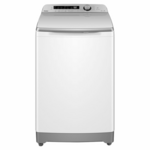
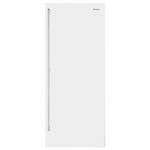
What Makes an Appliance 'Efficient'?
It all comes down to the star ratings. When you're shopping, you’ll see two main labels: the Energy Rating Label (for electricity) and the WELS (Water Efficiency Labelling Standards) Label. The rule is simple: the more stars, the more efficient the appliance is compared to other models of a similar size. At Appliances Online, we highlight products that are ‘Highly Water Efficient’ or ‘Highly Energy Efficient’. This means they fall into the top 20% of the most efficient products in their category, so you know you're looking at the best of the best.
Appliance Star Ratings Quick Table Guide
Appliance Type | What to Look For |
|---|---|
High Energy Star Rating (more stars = lower running costs). | |
High WELS Star Rating for water savings and a high Energy Star Rating for power. | |
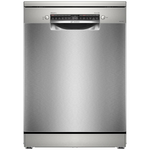
High WELS Star Rating (some use as little as 9 litres a cycle). | |
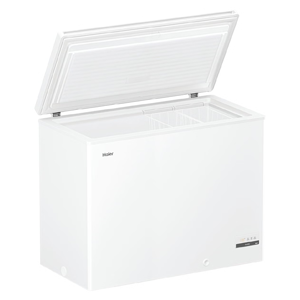
Heat Pump technology offers the highest Energy Star Ratings (often 7 stars or more). | |
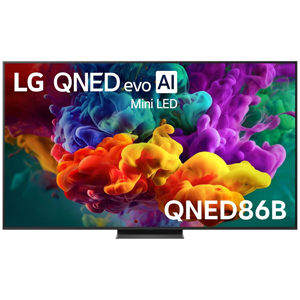
High Energy Star Rating; LED and OLED are the most efficient screen types. |
How to compare appliance running costs
The purchase price is only part of what an appliance costs. Comparing energy and water use can help you choose a model that suits your budget now and costs less to run over time. When comparing your shortlist, consider:
- Size and capacity: Compare appliances of a similar type and capacity, and choose a size that suits your household.
- Energy consumption: Check the kilowatt-hour (kWh) figure alongside the star rating. Lower electricity use can mean lower running costs, depending on your electricity tariff and how you use the appliance.
- Water use: For washing machines and dishwashers, compare the WELS rating and litres used on the labelled program.
- Your routine: How often you wash, dry or run the dishwasher will affect the potential savings from a more efficient model.
Features can make a difference too. Explore how Haier’s kitchen and laundry appliances help reduce energy use, from inverter compressors to heat pump drying.
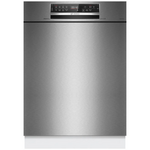
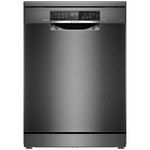
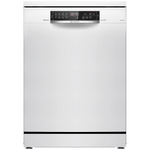
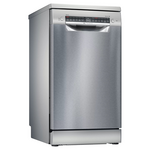
Finding the Most Efficient Dishwashers
A modern dishwasher can actually use less water than washing up by hand, especially if you choose a model with a high WELS rating. Top-tier brands have developed incredible technology to get your dishes sparkling while saving water and power. The Miele Gen 5000 Dishwasher is a perfect example, using as little as 9.2 litres of water per wash and earning a fantastic 6-star WELS rating. Similarly, the Seiki SC-1300AU6DWW boasts an impressive 6-star water rating, using just 8.8 litres per cycle.
It’s not just about the ratings, but the clever features inside. Look for things like:
- Soil Sensors: Models like the Haier Freestanding Dishwasher with Steam have an 'Auto Wash' program that uses sensors to detect how dirty your dishes are, adjusting the water and energy for a more sustainable clean.
- Smart Drying: Instead of using a power-hungry heating element, many efficient models use clever tricks to dry your dishes. ASKO and Miele dishwashers feature 'AutoOpen' drying, where the door pops open at the end of the cycle to let steam out. Bosch takes it a step further in their Series 8 models with 'Zeolith' drying, which uses natural minerals to absorb moisture and release warm air, drying even plastics perfectly.
- Efficient Motors: A brushless motor, like the 'EcoSilence Drive' found in many Bosch dishwashers, uses less energy, runs much quieter, and is built to last longer. Highly-rated models like the Bosch 45cm Series 6 Dishwasher are popular with customers for their quiet and reliable performance, backed by a 4.9-star average from over 100 verified reviews.
Saving Energy with Your Fridge and Freezer
Your fridge is on 24/7, so choosing an energy-efficient model makes a real difference to your power bill. The Energy Rating Label is your best friend here. Beyond the stars, look for fridges with an inverter compressor. Unlike older compressors that noisily switch on and off, an inverter runs consistently at controlled speeds, using far less energy and keeping the temperature more stable.
Also, think about how you use your fridge. If the family is always opening the main door, a model with a door-in-door compartment can help save energy by stopping all the cold air from escaping. Choosing the right size is also key; a half-empty fridge is just cooling empty space, which is a waste of energy.
High-Efficiency Washing Machines and Dryers
Laundry appliances can be big energy and water users, but the latest models are smarter than ever. For washing machines, front loaders are typically the most efficient choice for both water and power. Many, like those from Bosch and Electrolux, feature load-sensing technology that weighs your laundry and uses just the right amount of water. Using the cold wash setting is another easy way to save big on energy, as you skip the water heating process entirely.
When it comes to dryers, Heat Pump technology is the clear winner for efficiency. While older vented or condenser dryers use a lot of electricity to generate heat, a heat pump dryer works more like a reverse-cycle air conditioner. It recycles heat, using up to 60% less energy to get your clothes dry. Brands like Miele and Fisher & Paykel offer heat pump models with impressive energy ratings of 7 stars or more.
Efficient TVs and Entertainment
Even your TV can contribute to energy savings. Modern TVs with LED or OLED screens are significantly more efficient than older plasma or LCD models. Many new TVs from brands like Samsung, LG, and Sony also come with built-in power-saving modes or ambient light sensors that automatically adjust the screen's brightness to suit the light in your room, which helps reduce electricity use without you even noticing.
Choosing and using efficient home heating
Keeping your home comfortable starts with choosing heating that suits your space and how you use it. Consider the room size, insulation and how long you usually need the heating on when comparing options.
Choose heating to suit your space
Warming a small bedroom for a short time is different from heating an open-plan living area throughout the evening. Think about whether you need targeted warmth or whole-room heating, and look for controls such as adjustable thermostats and timers to help manage energy use.
Our guide to choosing an efficient, effective heater explains the options and what to consider for different spaces.
Reduce wasted heat at home
How you use your heating matters too. Use timers to avoid heating empty rooms, choose a comfortable thermostat setting and reduce draughts around windows and external doors. Curtains and suitable insulation can also help retain warmth, reducing the work your heating needs to do.
For more practical ideas, explore our five ways to stay warm and save energy this winter.
Why Shopping at Appliances Online is the Smartest Move
Choosing an efficient appliance is the first step; getting it home and set up without any fuss is the next. That’s where our legendary service comes in. We make upgrading to an efficient appliance easy and affordable, so you can start saving sooner.
With our Free Next-Day Delivery to most metro areas, you won't have to wait long. We'll text you a 2-hour delivery window on the morning of arrival and provide a live tracking link so you can follow your driver in real-time. No more waiting around all day!
We'll also handle the heavy lifting with our Free Connection service for most new fridges and washing machines. Our team will get your new washer ready for laundry day or position your new fridge perfectly (plumbed ice and water connections require a professional installer for a fee). And your old, inefficient appliance? We offer Free Removal, and we’ll even take away all the packaging, making sure everything is recycled responsibly. For appliances that need a bit more work, like dishwashers, we offer a paid professional installation service so you can get everything sorted in one go.
If you're ever unsure which model is right for you, our Australian-based customer support team is here to help 24/7.
Do more stars always mean a better appliance?
Yes, more stars generally mean lower running costs, which is a huge plus. However, it’s also important to choose an appliance with the right size and features for your household to get the most value.
Can an efficient appliance really save me money?
Absolutely. Over the life of the appliance, lower electricity and water bills can add up to hundreds of dollars in savings, often making up for a slightly higher purchase price upfront.
What's the difference between the Energy Rating and the WELS rating?
The Energy Rating label (the one with the red band) shows you how much electricity an appliance uses, while the WELS label (the blue one) shows its water efficiency. Appliances that use water, like dishwashers and washing machines, will have both.
Are efficient appliances less powerful?
Not at all. Brands like Bosch, Miele, and Fisher & Paykel use smart technologies like inverter motors and advanced sensors to deliver a powerful clean or strong cooling performance while using far less energy than older models.
How does the ECO program on a dishwasher work
The ECO program is designed for maximum efficiency. It typically uses less water and heats it to a lower temperature, running for a longer time to achieve the same sparkling cleaning results as a normal cycle, making it perfect for your everyday loads.